Thanksgiving is, without a doubt, one of my favorite times of the year. It’s a season of aromatic kitchens, the warmth of a crackling fire, and the joyous chaos of family and friends gathering under one roof. As a long-time pet enthusiast and blogger, I know that our furry and feathered companions are just as much a part of the family as anyone else. Naturally, we want them to join in the festivities. However, throughout my years of working with animals, I have seen how quickly a festive evening can turn into a frantic midnight run to the emergency vet because of a simple oversight.
While we are busy debating the best way to brine a turkey or the perfect crust for a pumpkin pie, our pets are navigating a landscape of new smells, tempting table scraps, and a house full of potentially overwhelming strangers. Thanksgiving presents a unique set of challenges for pet owners, ranging from dietary indiscretions to social anxiety. To ensure your holiday remains focused on gratitude rather than grief, I’ve put together this comprehensive guide on Thanksgiving pet safety, drawing from expert veterinary insights and real-world experience.
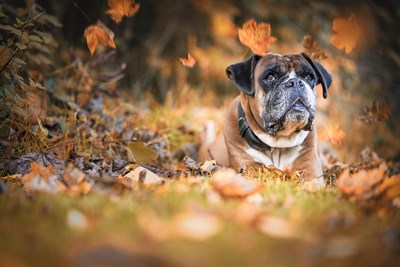
The Kitchen Minefield: Navigating Thanksgiving Food Hazards
The most common issues during the holidays are dietary. We all know that look—the soulful eyes of a Labrador or the persistent chirping of a parrot—begging for a taste of the feast. But as Kit Darling, infection control coordinator at the Texas A&M College of Veterinary Medicine & Biomedical Sciences, rightly points out, a sudden shift in diet is the fastest way to cause digestive upset. Beyond simple stomach aches, several traditional holiday staples are genuinely toxic.
The Danger of Fatty Foods and Pancreatitis
One of the most serious risks during Thanksgiving is pancreatitis. This is an inflammation of the pancreas that occurs when a pet ingests high-fat foods, such as turkey skin, gravy, or buttery mashed potatoes. In my experience, even a “small treat” of dark meat or crispy skin can trigger a painful and potentially life-threatening reaction in sensitive dogs. Signs of pancreatitis include persistent vomiting, abdominal pain, and lethargy. If your pet shows these symptoms, it is critical to consult a professional; you may want to review our guide on 10 critical warning signs your pet needs an urgent vet visit to know exactly when to call for help.
The Hidden Killers: Garlic, Onions, and Sage
Our favorite aromatics—garlic, onions, leeks, and chives—contain compounds that can damage a pet’s red blood cells, leading to anemia. While a tiny bit of onion powder in a stuffing might not seem like much, the cumulative effect can be dangerous. Furthermore, while sage is a popular herb for seasoning, it contains essential oils that can cause central nervous system depression or stomach upset in cats and smaller exotic pets if consumed in large quantities. Always keep the herb garden and the seasoning rack out of reach.
Bones: A Recipe for Disaster
It is a myth that dogs should be given turkey or ham bones. Cooked bones are brittle. When chewed, they splinter into sharp shards that can puncture the esophagus, stomach, or intestines. They are also a significant choking hazard. Even if they don’t splinter, they can cause severe constipation or internal blockages. If you want to give your pet something to chew on, stick to vet-approved nylon bones or natural chews designed specifically for their species.
Sweet Treats and Silent Toxins
The dessert table is just as dangerous as the main course. From the sugar-free treats to the chocolate-laden cookies, there are several ingredients you must guard against with vigilance.
The Xylitol Threat
Xylitol is an artificial sweetener found in sugar-free gum, candies, and even some brands of peanut butter. In dogs, xylitol causes a rapid release of insulin, leading to a life-threatening drop in blood sugar (hypoglycemia) and, in some cases, liver failure. Always check the labels of any “light” or “diet” products you use in your holiday baking. Even a small amount of xylitol can be fatal.
Chocolate, Grapes, and Raisins
Most pet owners are aware of chocolate toxicity, which can cause tremors, seizures, and heart arrhythmias. However, grapes and raisins are often overlooked. Even a handful of raisins in your fruitcake or grapes in a salad can cause acute kidney failure in dogs and cats. The mechanism isn’t fully understood, which makes it even more unpredictable and dangerous.
The Danger of Unbaked Dough
If you are making homemade rolls, keep the rising dough away from your pets. When a pet eats raw yeast dough, the warmth of their stomach causes the dough to continue rising, expanding their stomach and potentially causing a distended abdomen or even a ruptured organ. Furthermore, the fermenting yeast produces alcohol, which can lead to ethanol poisoning in small animals.
Safe Ways to Include Your Pet in the Feast
I don’t want to be a total Grinch! You can share the holiday with your pets, provided you do it safely. If you have a multi-pet household, ensure that everyone gets their fair share of safe treats so there is no resource guarding or fighting over the “good stuff.”
- Lean Protein: Small amounts of fully cooked, skinless, and boneless turkey white meat are generally safe.
- Plain Veggies: Steamed green beans (without salt or butter), raw carrots, or plain canned pumpkin (not pie filling!) are excellent high-fiber treats.
- Sweet Potatoes: Plain, cooked sweet potatoes are a favorite for many dogs and even some exotic rodents, provided they aren’t covered in marshmallows or brown sugar.
- Custom Pet Bowls: The best way to manage the holiday is to prepare a special bowl for your pet using their regular food as a base, topped with a few of the safe items mentioned above.
Environmental Hazards and Holiday Decor
Thanksgiving safety isn’t just about what’s on the plate; it’s about what’s in the room. As we decorate our homes, we introduce new risks to our pets’ environments.
Decorative Plants and Floral Arrangements
Many traditional autumn plants are toxic. Lilies, often found in mixed bouquets, are highly toxic to cats and can cause kidney failure from just a small lick of pollen. Amaryllis, hydrangeas, and certain types of ferns can also cause distress. If you have curious pets, consider high-quality silk flowers instead.
Candles and Cords
A lit candle on a low coffee table is an invitation for a wagging tail or a curious cat to cause a fire or suffer a burn. Always keep candles on high, stable surfaces, or better yet, use LED flameless candles. Additionally, the extra electrical cords for holiday lights can be tempting chew toys for rabbits, guinea pigs, or puppies. Use cord protectors or keep them tucked safely behind furniture.
Managing Holiday Stress and Social Anxiety
Not every pet is a social butterfly. The influx of guests, loud laughter, and ringing doorbells can be incredibly stressful for animals that thrive on routine. This is especially true for senior pets or rescues who may have a history of trauma.
According to Kit Darling, providing a “safe zone” is essential. This could be a quiet bedroom with their bed, water, and some favorite toys. For those with dogs who struggle with new faces, you might find it helpful to read our specific tips for keeping your dog calm when guests visit. Using pheromone diffusers or calming music can also help dampen the environmental noise.
The Great Escape: Doors and Identification
With guests arriving and leaving, the front door becomes a high-risk area. It only takes a second for a frightened cat or an adventurous dog to slip through an open door. Ensure your pet is wearing a collar with up-to-date identification tags. If your pet isn’t microchipped, Thanksgiving is a great reminder to get it done. If they are already chipped, take five minutes to log in and ensure your contact information is current. A microchip is useless if it leads to an old phone number!
People Also Ask (PAA)
Can I give my dog a little bit of turkey gravy?
It is best to avoid it. Most gravies are high in fat, salt, and often contain onion or garlic powder, all of which can contribute to digestive upset or more serious conditions like pancreatitis.
Is pumpkin pie safe for cats?
No. While plain pumpkin puree is great for digestion, pumpkin pie filling contains sugar, spices like nutmeg (which can be toxic in large amounts), and potentially xylitol. Stick to plain, unsweetened pumpkin.
What should I do if my pet eats something toxic?
Immediately contact your veterinarian or a pet poison control hotline. Do not wait for symptoms to appear. Having the packaging of what they ate on hand can help the vet determine the best course of treatment.
Are pine cones dangerous for pets?
Yes, they can be. If ingested, the sharp scales can cause intestinal irritation or blockages. Some pine cones are also treated with scented oils or glitters that are toxic to pets.
Expert Verdict & Final Thoughts
Thanksgiving is a time for connection, and that includes the bond we share with our pets. However, being a responsible owner means being their advocate during the festivities. By setting boundaries with guests about feeding scraps and creating a safe, quiet environment, you can enjoy your turkey knowing your best friend is safe and sound. The “peace of mind” you get from being prepared is the best gift you can give yourself this season. Happy Thanksgiving to you and all your furry, scaly, and feathered companions!


