Our canine companions experience the world in a way we can barely imagine. While humans primarily navigate life through sight, dogs live in a rich tapestry of scents. A dog’s nose is an engineering marvel, containing up to 300 million olfactory receptors. In contrast, the human nose possesses a mere six million. This incredible sensitivity is why dogs are indispensable in search-and-rescue missions, drug detection, and even medical screenings. However, having such a powerful sensory organ means that even minor disruptions can lead to a flurry of sneezes. If you have ever wondered, "Why is my dog sneezing so much?" you are not alone. While a stray sneeze is often nothing more than a reaction to a speck of dust, chronic sneezing can signal underlying health concerns that require a closer look.
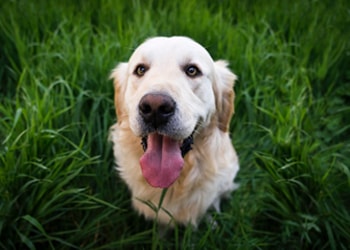
The Science of the Snout: Why Dogs Sneeze During Play
Before diving into medical concerns, it is important to understand the concept of the "play sneeze." If your dog sneezes specifically when they are wrestling with another dog or playing tug-of-war with you, it is likely a form of communication rather than a health issue. Many animal behaviorists believe that dogs use a short, sharp sneeze as a "calming signal." It communicates to their play partner that the high-energy interaction is just for fun and is not meant to be a real fight. It is their way of saying, "I’m just playing!" When your dog wrinkles their nose during a game, it can also create a tickling sensation that triggers a natural reflex sneeze.
1. Environmental Allergies and Seasonal Irritants
Just like humans, dogs are susceptible to the environment around them. Pollen, dust mites, mold spores, and even certain grasses can trigger allergic reactions in canines. When these microscopic particles enter the nasal passages, the body attempts to expel them through sneezing. If you notice your dog’s sneezing increases during certain seasons, they may be suffering from hay fever. It is important to note that while a dog’s nose is typically wet to help trap scent molecules, excessive clear discharge alongside sneezing usually points toward these environmental triggers.
In addition to sneezing, look for signs of itchy skin, red eyes, or frequent licking of the paws. For dogs with severe seasonal sensitivities, veterinarians may recommend antihistamines or specialized shampoos to remove allergens from their coat after a walk.
2. Household Irritants and Chemical Triggers
Your dog’s nose is significantly more sensitive to chemicals than yours is. Common household items that seem harmless to us can be overwhelming for them. These include:
- Perfumes and body sprays
- Scented candles and air fresheners
- Cleaning products (especially bleach and ammonia-based cleaners)
- Cigarette or wood smoke
- Pesticides used in the garden
If your dog starts a sneezing fit every time you clean the living room or spray a particular perfume, try switching to unscented, pet-friendly products. Chronic exposure to these irritants can lead to inflammation of the nasal lining, making the dog more prone to secondary infections.
3. Respiratory Infections: From the Common Cold to Kennel Cough
Persistent sneezing is often one of the first indicators of a respiratory infection. These can be viral, such as the canine influenza virus, or bacterial, like Bordetella bronchiseptica (commonly known as Kennel Cough). In these cases, sneezing is rarely the only symptom. Owners should monitor their pets for lethargy, a decrease in appetite, and coughing. If left untreated, simple respiratory infections can become severe; in fact, unresolved respiratory issues can sometimes escalate into pneumonia in dogs, which is a life-threatening condition requiring immediate veterinary intervention.
Veterinarians often look at the color of the nasal discharge to help diagnose the issue. Clear discharge is common with viruses or allergies, while yellow or green discharge typically suggests a bacterial or fungal infection that requires antibiotics.
4. Foreign Objects: The Danger of the "Foxtail"
Dogs explore the world by putting their noses directly into things—tall grass, dirt, and bushes. Occasionally, they inhale something they shouldn’t. A common culprit is the foxtail (a barbed grass seed). These seeds are designed to burrow, and if they get stuck in a dog’s nasal passage, they can cause intense irritation, pain, and infection. If your dog suddenly starts sneezing violently and non-stop, pawing at their face, or if their nose begins to bleed, there is a high probability that a foreign object is lodged inside. Never attempt to remove a deeply lodged object yourself, as you may push it further in or damage the delicate nasal membranes.
5. The Hidden Link: Dental Disease
Many pet owners are surprised to learn that sneezing can be a sign of a tooth problem. The roots of a dog’s upper teeth are located extremely close to the nasal passages. If a dog develops a severe tooth root abscess or advanced periodontal disease, the infection can break through the bone and enter the nasal cavity. This creates a condition called an oronasal fistula. Symptoms of dental-related sneezing include bad breath, swelling under the eye, or a preference for soft food. Maintaining oral hygiene is crucial, especially when managing allergies in senior dogs, as their immune systems may already be taxed by multiple health factors.
6. Breed-Specific Issues and Brachycephalic Syndrome
Certain breeds are genetically predisposed to respiratory sounds and sneezing. Brachycephalic breeds—those with "flat" faces like Pugs, French Bulldogs, and Boston Terriers—have compressed nasal passages. This anatomical structure makes it harder for them to move air efficiently and can lead to more frequent sneezing and snorting. These breeds are also prone to reverse sneezing. During a reverse sneeze, the dog rapidly pulls air in through their nose, creating a loud honking sound. While it looks and sounds alarming, it is usually a harmless spasm of the soft palate triggered by excitement or irritants.
7. Nasal Tumors and Polyps
In older dogs, chronic sneezing or persistent nasal discharge (especially if it only comes from one nostril) can unfortunately indicate nasal tumors. While these account for only about 1% of all canine cancers, they are often aggressive. Early detection through imaging like CT scans or rhinoscopy is vital for treatment planning. Nasal polyps, which are non-cancerous growths, can also cause obstructions and sneezing, though they are less common in dogs than in cats.
Expert Review: The Veterinary Verdict
Occasional sneezing is a normal part of being a dog. However, as an expert journalist in pet health, the consensus among veterinarians is clear: consistency is the key metric. If a dog sneezes twice and goes back to playing, there is no cause for alarm. If the sneezing is accompanied by blood, thick discharge, or a change in facial shape, it is a medical emergency. Always monitor the "accompanying symptoms" rather than the sneeze itself to determine the urgency of care.
Frequently Asked Questions
Is reverse sneezing dangerous for my dog?
In most cases, no. Reverse sneezing is a common reflex. You can often stop an episode by gently massaging your dog’s throat or briefly covering their nostrils to encourage them to swallow, which helps reset the soft palate.
Can dogs get colds from humans?
Generally, no. The viruses that cause the common cold in humans are species-specific. However, dogs can catch "colds" from other dogs, such as canine flu or Bordetella.
What does it mean if my dog’s sneeze is bloody?
A bloody sneeze (epistaxis) is a serious sign. It could indicate a foreign object, a severe fungal infection, a blood clotting disorder, or a nasal tumor. Consult a veterinarian immediately.
Can food allergies cause sneezing?
While less common than environmental allergies, food sensitivities can cause systemic inflammation that manifests as sneezing. Usually, food allergies also present with gastrointestinal upset or chronic ear infections.
Conclusion
Understanding why your dog is sneezing requires a blend of observation and medical awareness. From the harmless "play sneeze" to the complexities of dental infections and seasonal allergies, your dog’s nose is a window into their overall well-being. By keeping their environment clean, staying up to date on dental checkups, and watching for changes in nasal discharge, you can ensure your furry friend breathes easily for years to come. When in doubt, always trust your instincts—if the sneezing feels "off," a quick trip to the vet is the best way to maintain your pet’s health and your own peace of mind.


