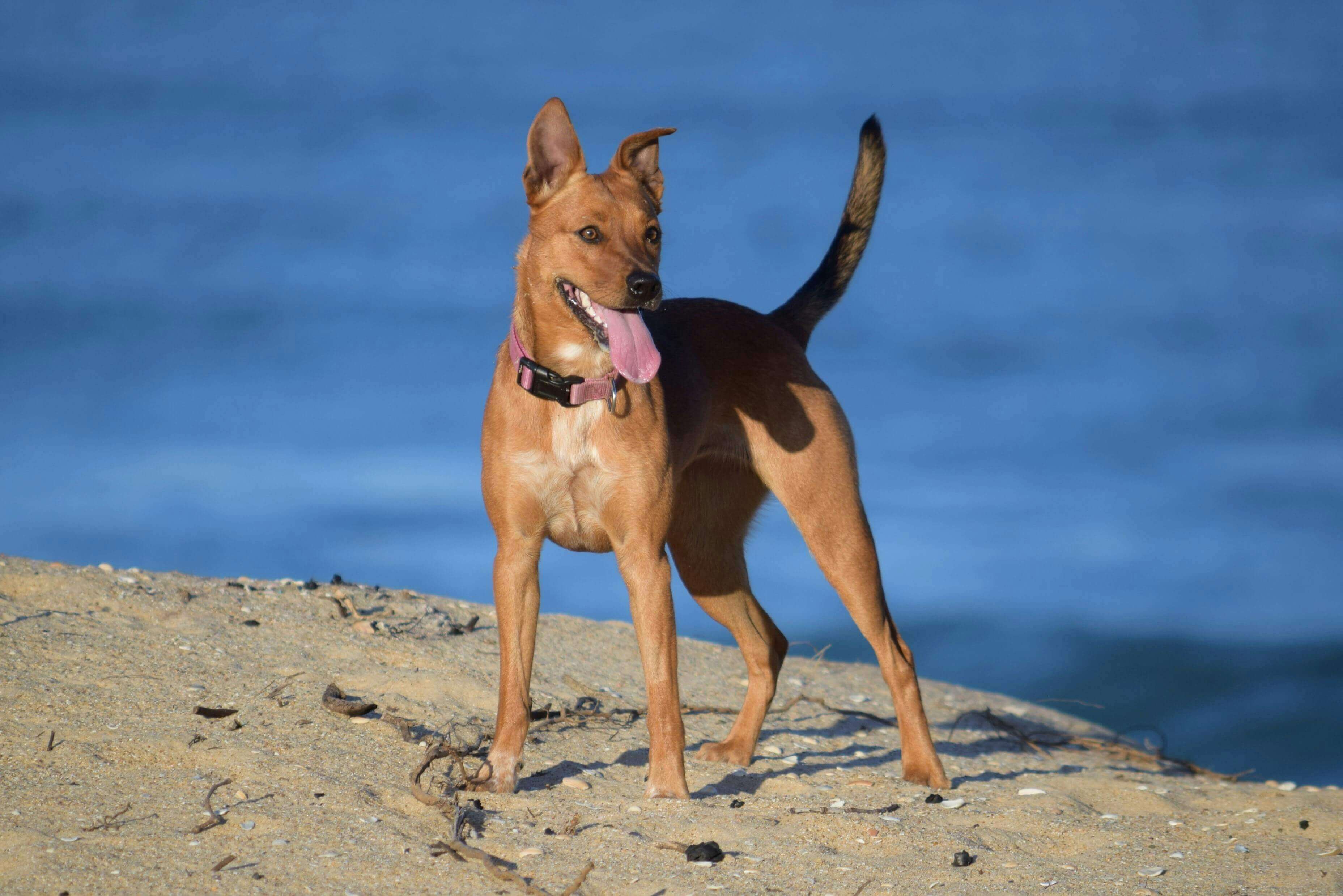
A dog’s coat is far more than just a layer of fur; it serves as a primary indicator of their internal biological health and overall well-being. When you see a dog with a gleaming, silky coat, it is often a sign of a robust immune system, high-quality nutrition, and meticulous care. Conversely, a dull, brittle, or thinning coat can be an early warning sign of underlying health issues or nutritional deficiencies. Whether you are the proud owner of a sleek, short-haired Labrador or a high-maintenance, curly-coated tri-color Bernedoodle, maintaining that luster requires a proactive approach. In 2024, veterinary dermatology has seen a surge in holistic and science-backed methods to improve skin health, emphasizing that external beauty truly begins from within. By following these ten comprehensive strategies, you can ensure your canine companion remains the picture of health from head to tail.
1. Nutritional Excellence: The Biological Foundation
The foundation of a healthy coat is built in the digestive tract. Approximately 25-30% of a dog’s daily protein intake is used solely to maintain their skin and hair. If their diet is insufficient, the body prioritizes internal organs, leaving the coat looking parched and lifeless. High-quality animal proteins provide the essential amino acids like cysteine and methionine, which are the building blocks of keratin. Recent 2024 market data suggests a shift toward “functional pet foods” that specifically target dermatological health using hydrolyzed proteins and chelated minerals. Ensure your dog’s food contains Vitamin E, Vitamin A, and Zinc, as these are critical for cell regeneration and sebum production.
2. Mastering the Art of Brushing
Regular brushing is the most effective way to manage shedding and distribute sebum, the natural skin oils that provide a protective barrier and shine. For breeds like the Bernedoodle, brushing isn’t just about aesthetics; it is a necessity to prevent painful matting. Slicker brushes are ideal for removing loose undercoat hair, while bristle brushes work wonders for short-haired breeds to enhance shine. Experts recommend brushing at least three times a week. This process also acts as a massage, stimulating blood flow to the skin follicles, which encourages stronger and faster hair growth.
3. The Science of Balanced Bathing
While hygiene is vital, over-bathing is a common mistake that leads to atopic dermatitis and dry skin. Dogs have a different skin pH than humans (roughly 6.2 to 7.5), meaning human shampoos are far too acidic and can strip away the acid mantle. Always use a pH-balanced canine shampoo. In a recent study of pet owners, those who bathed their dogs every 4 to 6 weeks reported fewer instances of skin irritation compared to those who bathed their pets weekly. If your dog gets muddy between baths, consider using a damp cloth or specialized grooming wipes to spot-clean without removing essential oils.
4. Hydration and Its Impact on Elasticity
Dehydration is a silent enemy of a healthy coat. When a dog is dehydrated, their skin loses elasticity, and the hair becomes prone to breakage. In 2024, the use of smart water fountains has increased, as moving water encourages higher consumption. A well-hydrated dog will have skin that “snaps back” when gently pinched and a coat that feels supple rather than wiry. Ensure your dog has access to clean, filtered water at all times, especially if they are on a dry kibble diet which has very low moisture content.
5. The Power of Omega-3 and Omega-6 Fatty Acids
If there is a “magic bullet” for coat shine, it is Omega fatty acids. Omega-3 (found in fish oil and algae) reduces inflammation, while Omega-6 (found in poultry and vegetable oils) helps maintain the skin’s moisture barrier. A 2023 veterinary survey found that 85% of dogs showed significant improvement in coat luster within six weeks of starting an Omega-3 supplement. Look for supplements containing EPA and DHA for maximum bioavailability. For dogs with sensitive stomachs, wild-caught salmon oil is often the most palatable and effective option.
6. Stress Management and Cortisol Control
It is a documented scientific fact that stress leads to telogen effluvium, a condition where hair follicles enter the resting phase prematurely, leading to excessive shedding. Dogs experiencing anxiety—whether from loud noises, changes in the household, or lack of exercise—will often develop a “stress coat” that looks dusty and thin. Maintaining a consistent routine and providing mental enrichment (such as puzzle toys) can keep cortisol levels low, ensuring the coat remains thick and vibrant.
7. Modern Parasite Prevention
Parasites such as fleas, ticks, and mites are not just nuisances; they are destructive to the coat. A single flea bite can trigger Flea Allergy Dermatitis (FAD), causing a dog to chew their fur until bald patches appear. With the 2024 climate trends showing longer flea seasons, year-round prevention is mandatory. Consult your vet about the latest oral isoxazoline-class medications, which provide 30 to 90 days of protection. Keeping the skin free of parasites allows the coat to grow without the trauma of constant scratching.
8. Precision Trimming and Professional Grooming
Professional grooming is particularly essential for “long-hair” or “non-shedding” breeds. For the Bernedoodle, a professional groom every 6-8 weeks prevents the heavy curls from trapping moisture against the skin, which can lead to fungal infections. Additionally, keeping the hair trimmed around the paws and sanitary areas prevents the accumulation of bacteria that can spread to the rest of the coat through self-grooming. Regular nail trims also prevent the dog from accidentally scratching and wounding their own skin.
9. Case Study: The Bernedoodle Transformation
Consider the case of “Cooper,” a 3-year-old tri-color Bernedoodle whose coat had become dull, matted, and prone to “hot spots.” After a consultation, his owners transitioned him to a limited-ingredient diet rich in fish protein and began a regimen of daily brushing with a long-pin slicker brush. Within 90 days, Cooper’s signature curls regained their bounce, the white patches of his coat became brilliantly bright, and his skin inflammation vanished. This case highlights that a multi-pronged approach—combining diet, tools, and consistency—can reverse even the most stubborn coat issues.
10. Expert Review: The Veterinary Verdict
Dr. Elena Rossi, a leading veterinary dermatologist, states: “I frequently see pet owners over-complicating coat care with expensive topical sprays. In reality, a healthy coat is 80% biology and 20% maintenance. If you get the nutrition and hydration right, and keep the parasites at bay, the ‘shine’ takes care of itself. Always look for the ‘AHA’ moment—Areal, Hydrated, and Active—to gauge your dog’s skin health.”
Frequently Asked Questions (FAQ)
How often should I really brush my dog?
For short-haired breeds, once or twice a week is sufficient. For long-haired or curly breeds, daily brushing is recommended to prevent mats and distribute natural oils.
Can I give my dog human Omega-3 supplements?
While the fatty acids are similar, many human supplements contain additives or flavorings (like xylitol) that are toxic to dogs. Always use a veterinary-formulated supplement.
Why is my dog’s coat still dull despite good food?
Internal parasites or underlying metabolic issues like hypothyroidism can cause a dull coat despite a good diet. If a diet change doesn’t work within 8 weeks, see a veterinarian for blood work.
Does the season affect the dog’s coat shine?
Yes. During “shedding seasons” (spring and fall), the coat may look temporarily unkempt as the old fur drops out. Increasing brushing during these times helps the new, shiny coat emerge faster.
Conclusion
Maintaining a healthy, shiny coat is a journey that requires a blend of scientific understanding and consistent daily habits. By focusing on high-quality nutrition, proper hydration, and the right grooming tools, you are doing more than just making your dog look good—you are enhancing their quality of life. Remember, a glossy coat is the most visible sign of a happy, healthy dog. Start implementing these ten tips today, and watch your furry friend transform into the healthiest version of themselves.


