We all share a profound bond with our feline companions; their gentle purrs and affectionate head-butts provide a unique comfort that makes a house feel like a home. However, even the most devoted cat owner must admit that there is one universal drawback to sharing a living space with a cat: the dreaded litter scatter. It is a frustrating reality when you find gritty granules on your hardwood floors, stuck to the bathroom rug, or worse, nestled in your bed linens. While all litters track to some degree, the annoyance of finding litter in every corner of your home doesn’t have to be a permanent fixture of pet ownership. As we move into 2024, the pet care industry has seen a massive surge in innovative solutions designed specifically to tackle this hygiene hurdle. By understanding the science of pellet density, box architecture, and feline behavior, you can reclaim your home from the “sand beach” effect and spend more time snuggling and less time sweeping.
1. Upgrade to Large-Granule or Natural Pellet Litters
The primary culprit behind tracking is the physical size and weight of the litter particles. Traditional clay litters often consist of tiny, sand-like grains that easily wedge themselves between a cat’s paw pads or cling to the long fur of their “britches.” Recent market data from 2023 indicates a 15% increase in the adoption of natural cat litters, largely driven by owners seeking cleaner homes and sustainable materials. Natural options like wood, paper, or hemp often feature larger, denser granules or long pellets that are simply too heavy to be carried far from the box.
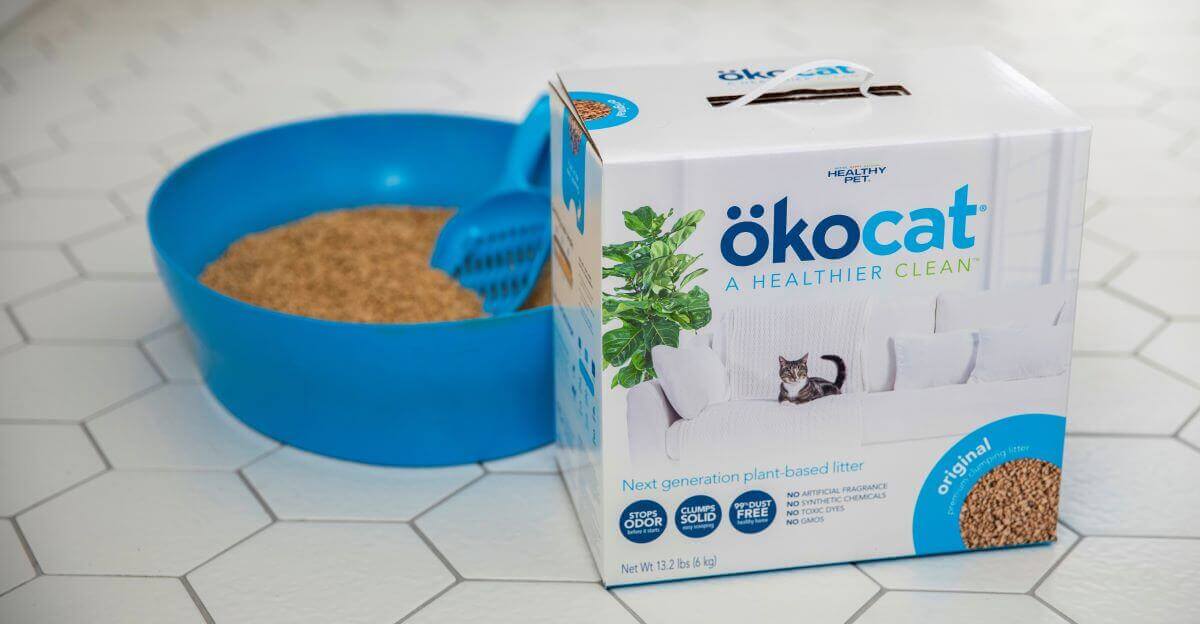
For example, ökocat natural litter, which utilizes reclaimed wood fibers, offers a distinct advantage over clay. The larger wood particles do not stick to the paws as readily, and unlike clay, they don’t leave behind a fine grey dust that results in ghostly white paw prints across your dark furniture. If you are dealing with a long-haired breed like a Maine Coon or a Persian, switching to a high-density pellet is often the single most effective change you can make. Expert tip: When switching litters, always follow a 7-10 day transition period, mixing the new substrate with the old to ensure your cat does not develop litter box aversion due to the change in texture.
2. Optimize Box Architecture: High Sides and Top Entries
Standard, shallow litter pans are notorious for allowing litter to fly over the edges during a cat’s vigorous digging ritual. To combat this, look toward the geometry of the litter box itself. High-sided litter boxes serve as a physical barrier that contains the spray of granules when your cat is covering their business. In 2024, ergonomic designs have become more sophisticated, offering high walls while still providing a lowered entry point for senior cats with mobility issues.
For agile and younger cats, top-entry litter boxes are the gold standard for tracking prevention. Because the cat must jump up onto a lid to exit, the majority of the litter falls off their paws back into the box before they ever touch the floor. A case study involving multi-cat households found that switching to top-entry boxes reduced visible floor scatter by nearly 70%. If your cat is claustrophobic or too large for a covered box, a simple extra-large (the bigger, the better) high-sided open box remains a superior choice to the flimsy pans found in most grocery stores.
3. The Strategic Use of Containment Furniture
Sometimes the best way to stop tracking is to create a “mudroom” for your cat. Placing the litter box inside a larger enclosure or a piece of hidden litter box furniture adds an extra layer of defense. These enclosures require the cat to walk across an internal surface before exiting the unit, which helps knock off loose particles. This concept, often referred to as “litter box hider” furniture, has become a massive trend in interior design, allowing pet owners to blend hygiene needs with modern aesthetics.
You can also achieve this on a budget by placing the litter box inside a large plastic storage tote with a hole cut in the side or top. This DIY enclosure acts as a debris trap. When the litter is contained within a second perimeter, the probability of it reaching your living room or bedroom drops significantly. For maximum effectiveness, ensure the path out of the enclosure is long enough to allow the cat’s paws to splay and release trapped grains.
4. Placement Logic and the “Safe Zone”
Location is everything. While it is tempting to tuck the litter box into a hidden corner of the living room for convenience, this often leads to litter on the couch or under the dining table. Professional feline behaviorists suggest placing boxes in carpet-free rooms such as laundry rooms, bathrooms, or finished basements. Hard surfaces like tile or laminate are significantly easier to clean than carpet, which can trap litter deep within its fibers, making it nearly impossible to remove with a standard vacuum.
Additionally, keep the box away from high-traffic “snuggle zones.” If the box is right next to the bed, tracking is inevitable. By creating a dedicated “cat utility area” away from sleeping and eating quarters, you contain the mess to a zone that is already primed for frequent cleaning. If space is limited, using a heavy-duty cat litter mat—specifically one with a dual-layer honeycomb design—is essential. These mats trap particles in deep pockets, preventing them from being kicked further into the home.
5. Implement a High-Frequency Maintenance Routine
Prevention is a two-part process: containment and removal. Even the best low-tracking litter will eventually find its way out if the immediate area isn’t maintained. Keeping a small cleaning kit next to the box is the secret of the world’s cleanest pet homes. This should include a handheld cordless vacuum or a dedicated broom and dustpan. Spending 30 seconds a day suctioning the immediate exit area of the box prevents those few stray grains from being picked up by human feet and transported throughout the house.
Modern technology has made this easier than ever. The rise of robotic vacuums with “spot clean” functions allows owners to schedule cleanings around the box multiple times a day. Furthermore, keeping your cat’s paw fur trimmed (especially for long-haired breeds) can significantly reduce the amount of “clinging” litter. Regular grooming of the paw pads reduces the surface area available for litter to latch onto.
Expert Review and Final Verdict
After reviewing the latest product performance metrics for 2024, the expert consensus is clear: the most effective way to eliminate tracking is a multi-layered approach. No single product is a magic bullet. The ultimate setup for a track-free home is the combination of a high-quality wood pellet litter (like ökocat), a top-entry or high-sided box, and a dual-layer honeycomb mat. This trio addresses the weight of the litter, the containment of the spray, and the physical cleaning of the paws upon exit. Owners who implement at least three of these five steps report a dramatic increase in home cleanliness and a reduction in daily chores.
Frequently Asked Questions (FAQ)
Which type of litter tracks the least?
Generally, large-granule wood pellets or paper pellets track the least. Their size and weight make them less likely to stick to fur and paws compared to fine-grain clay or silica sand.
Do litter mats actually work?
Yes, but the design matters. Microfiber mats are decent for dust, but double-layer honeycomb mats are much more effective at trapping actual granules and allowing you to easily pour them back into the box.
Can I use a top-entry box for a senior cat?
It is not recommended for cats with arthritis or mobility issues. For senior cats, a high-sided box with a low entry notch in the front is the best balance between containment and accessibility.
How often should I sweep around the litter box?
For a single-cat household, a quick daily sweep or vacuum of the immediate area is usually enough to prevent tracking from spreading to the rest of the home.
Is dusty litter related to tracking?
Absolutely. Dust is essentially microscopic tracking. It settles on surfaces far away from the box. Choosing a “99% dust-free” natural litter helps keep your air and furniture cleaner.
Conclusion
Maintaining a clean, fresh-smelling home while living with a cat is entirely possible with the right strategy. By moving away from traditional dusty clays and embracing high-walled containment and strategic placement, you can virtually eliminate the nuisance of litter tracking. Remember that every cat is an individual; what works for a spritely kitten might not work for an aging senior. Experiment with these 5 easy methods to find the perfect configuration for your feline friend. A cleaner home leads to a less stressed owner, which ultimately leads to a happier, healthier life for your pet.


