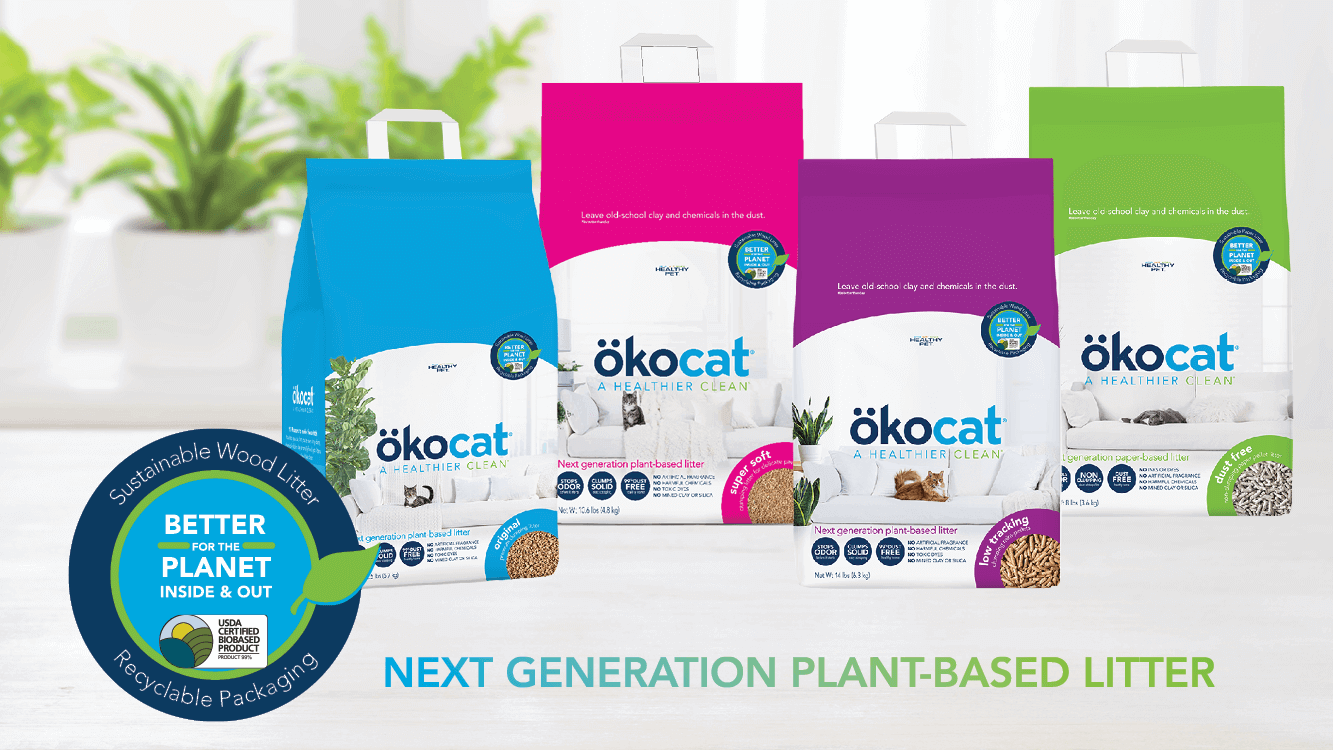
In the modern era of pet ownership, the choices we make for our feline companions extend far beyond the quality of their food or the softness of their beds. As global environmental concerns reach a fever pitch, the spotlight has shifted toward the very containers that hold our pet supplies. The battle between paper and plastic packaging is no longer just a matter of convenience; it is a critical decision point for the eco-conscious consumer. For years, heavy-duty plastic bags dominated the cat litter aisle due to their durability, but a sustainable revolution is underway. Led by innovative brands like Healthy Pet and their flagship okocat natural litter, the industry is proving that high-performance products don’t need to come wrapped in permanent waste. Choosing paper packaging is a powerful statement, signaling a commitment to a healthier planet and a cleaner home for our pets.
1. Superior Biodegradability and the End of the “Forever Plastic” Cycle
One of the most compelling arguments for paper packaging is its natural ability to return to the earth. Paper is inherently biodegradable and compostable, meaning that under the right conditions, it can break down into organic matter within months. In contrast, traditional plastic bags used for cat litter are often made from high-density polyethylene (HDPE) or multi-layered laminates that can take up to 500 years to decompose. According to 2023 environmental reports, less than 9% of all plastic ever produced has been recycled, leaving the rest to fragment into microplastics that infiltrate our soil and water systems. By choosing a product like okocat, which utilizes paper packaging, pet owners ensure that their purchase doesn’t contribute to the geological record of plastic waste.
2. Mitigating the Global Crisis of Single-Use Plastics
The pet industry has historically been a significant contributor to the single-use plastic crisis. Every year, millions of plastic litter bags end up in landfills or, worse, our oceans. Data from 2024 indicates that marine plastic pollution is on track to triple by 2040 if current consumption patterns continue. This waste poses a lethal threat to marine life, which often mistakes plastic fragments for food. Opting for paper-packaged cat litter is a direct way to reduce the demand for virgin plastic production. When consumers shift their buying habits, manufacturers take notice, leading to a systemic reduction in the volume of non-biodegradable waste circulating in our global ecosystem.
3. Tapping Into Renewable and Sustainable Forestry
Unlike plastic, which is a byproduct of the petroleum industry, paper is derived from a renewable resource: trees. When managed responsibly through certifications like the Forest Stewardship Council (FSC), paper production supports regenerative forestry practices. For every tree harvested, several more are planted, ensuring a continuous cycle of growth and carbon sequestration. This aligns perfectly with the philosophy behind okocat natural litter, which is itself made from reclaimed wood fibers. Using paper packaging for a wood-based litter creates a holistic, bio-based product cycle that avoids the environmental degradation associated with fossil fuel extraction and oil refining.
4. Significant Reductions in Carbon Footprint and Energy Consumption
Recent Life Cycle Assessments (LCAs) conducted in 2024 reveal a stark difference in the energy profiles of paper versus plastic. The production of paper packaging generally consumes less energy and generates fewer greenhouse gas emissions than the chemical-heavy process of plastic manufacturing. Plastic production relies heavily on fossil fuels, which are finite and environmentally damaging. By transitioning to paper, brands can achieve a smaller carbon footprint, contributing to global efforts to limit climate change. Furthermore, the transportation of paper-packaged goods is often more efficient when designed as rigid or semi-rigid boxes, allowing for better pallet density and reduced fuel consumption during shipping.
5. Seamless Integration with Modern Recycling Programs
One of the greatest frustrations for eco-conscious consumers is the complexity of plastic recycling. Many plastic litter bags are made of “film” or multi-material layers that are not accepted in standard curbside recycling bins. Paper, however, remains the gold standard of recyclability. It is widely accepted by municipal programs worldwide and has a high recovery rate. In many regions, paper fibers can be recycled up to seven times before they lose their structural integrity. This ease of disposal removes the guesswork for pet owners, ensuring that the packaging can be processed into new paper products rather than sitting in a landfill for centuries.
6. Versatility and Innovation in Barrier Technology
A common myth is that paper packaging is too fragile for heavy products like cat litter. However, 2024 packaging innovations have introduced biodegradable barrier coatings that provide moisture resistance and tear strength comparable to plastic. Paper packaging is now highly adaptable, capable of holding significant weight while maintaining its eco-friendly credentials. This versatility allows brands to design functional features like pour spouts and reinforced handles without relying on non-recyclable plastic components. The success of premium natural litters in paper boxes proves that we no longer have to sacrifice durability for sustainability.
7. The Aesthetic and Psychological Appeal of Natural Packaging
There is an undeniable psychological benefit to choosing paper. Many consumers are drawn to the natural, rustic, and clean appearance of paper-based products. It conveys a sense of transparency and health that plastic simply cannot match. In a market saturated with synthetic materials, the tactile feel of a paper bag or box resonates with the growing demographic of “conscious commuters” and “green pet parents.” This eco-friendly image isn’t just about marketing; it reflects a genuine shift in consumer values toward authenticity and environmental stewardship.
Expert Review: The Verdict on Sustainable Packaging
Environmental analysts and pet industry experts agree: the transition to paper packaging is the most logical step for brands aiming for true sustainability. While plastic offered a cheap, temporary solution in the 20th century, its long-term costs to the planet are now being realized. Experts highlight that okocat and other Healthy Pet initiatives serve as a blueprint for the industry. By combining a natural, high-performance product with biodegradable packaging, these brands address both the waste generated by the product itself and its container. The consensus is clear: the future of pet care is circular, and paper is the primary vehicle for that change.
Frequently Asked Questions (FAQ)
Is paper packaging strong enough to hold heavy cat litter?
Yes. Modern paper packaging for cat litter uses multi-ply kraft paper and reinforced structural designs that can easily support weights of 20 pounds or more. It is engineered to be puncture-resistant and durable during transit.
Can I compost the paper bag from my cat litter?
In most cases, yes! If the bag is made of pure paper and uses soy-based inks, it can be composted. However, always check the packaging for any plastic liners or coatings that might need to be removed first. If the bag contains used litter, it should not be composted for garden use due to potential pathogens in pet waste.
Doesn’t making paper kill trees?
While paper comes from trees, sustainable brands use wood sourced from certified managed forests. These forests act as carbon sinks and are replanted faster than they are harvested, making paper a renewable resource, unlike plastic which comes from finite oil reserves.
Why do some brands still use plastic if paper is better?
Plastic is often cheaper to produce and easier to store in humid environments. However, as plastic taxes increase and consumer demand for eco-friendly options grows, more brands are making the investment to switch to paper.
Conclusion
Choosing paper packaging over heavy plastic is a small but impactful step toward a more sustainable future. It is a decision that ripples through the supply chain, reducing plastic pollution, encouraging the use of renewable resources, and supporting energy-efficient production methods. For the modern pet owner, opting for brands like okocat is not just about the litter inside the bag—it’s about the legacy we leave for the planet. Next time you stand in the pet store aisle, consider the long-term impact of your choice. Make the eco-friendly transition to paper and join the movement toward a cleaner, greener world for all creatures.


