As someone who has spent a lifetime surrounded by animals—from the tiniest exotic birds to the most loyal of senior dogs—I know all too well the panic that sets in when you notice your pet is struggling to breathe. There is a specific kind of silence that falls over a home when a furry family member isn’t their usual, boisterous self. Among the various respiratory issues we encounter in the pet world, one of the most misunderstood and potentially dangerous is aspiration pneumonia. It’s a condition that can strike suddenly, often as a secondary complication to other health issues, and it requires a keen eye and a compassionate heart to manage. Understanding the nuances of this condition isn’t just about medical facts; it’s about being the best advocate possible for your pet when they can’t speak for themselves.
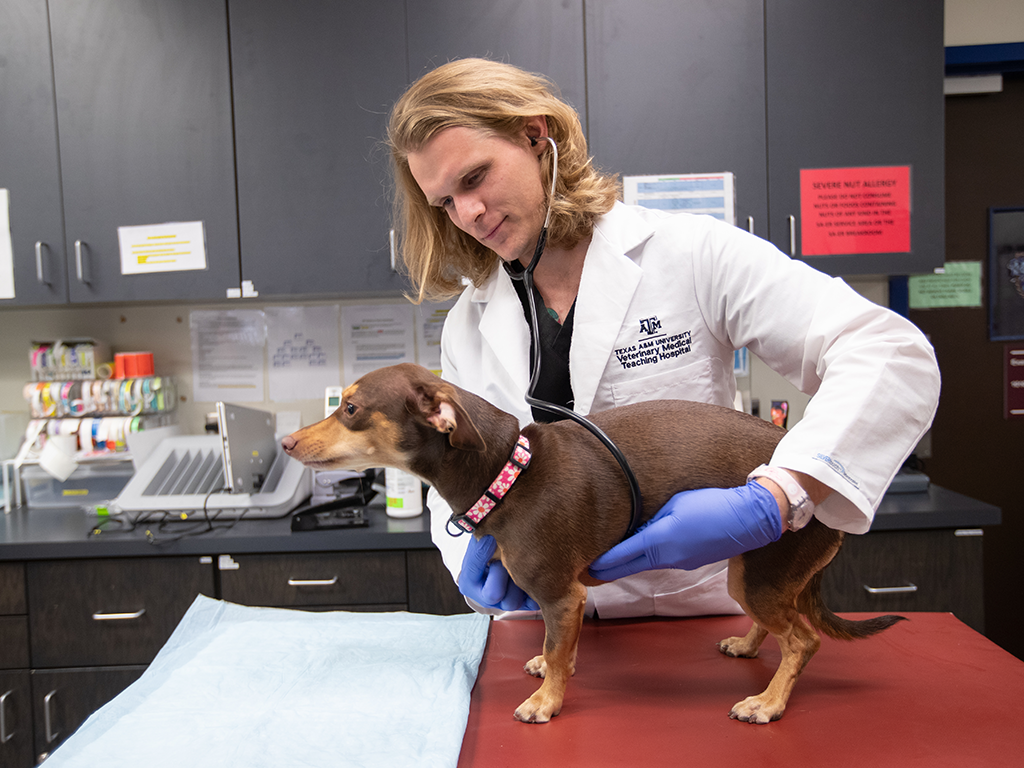
Pneumonia, in a general sense, is an inflammation or infection of the lungs. While many of us are familiar with infectious pneumonia—the kind passed through the air in social settings—aspiration pneumonia is a different beast entirely. It occurs when a pet accidentally inhales foreign material into their lungs. This could be anything from stomach acid and undigested food to liquid medication or even oral bacteria. When these substances enter the delicate environment of the respiratory system, they cause irritation and serve as a breeding ground for bacteria, leading to a serious and often life-threatening infection. In my years of blogging and pet care, I’ve seen how quickly a simple case of ‘an upset stomach’ can turn into a respiratory emergency if aspiration occurs.
The Critical Difference: Aspiration vs. Infectious Pneumonia
To truly understand how to protect our pets, we have to distinguish between the two primary types of lung infections. Dr. Lance Wheeler from the Texas A&M Small Animal Teaching Hospital explains that infectious pneumonia is typically the result of the body being overwhelmed by airborne pathogens. Think of things like Bordetella bronchiseptica, the primary culprit behind the dreaded kennel cough. This is highly contagious and spreads through social contact.
Aspiration pneumonia, however, is a localized event triggered by an ‘accident’ within the body. It happens when the small air sacs, known as alveoli, are invaded by gastrointestinal contents or oral bacteria. This often happens following a bout of vomiting or regurgitation. Because stomach acid is incredibly caustic, the initial chemical burn in the lungs can be just as damaging as the subsequent bacterial infection. For a broader look at respiratory issues, you might find our guide on pneumonia in dogs and its at-home care particularly helpful in identifying general lung distress.
Common Causes and Hidden Risks
Why does aspiration happen in the first place? In a healthy animal, the epiglottis acts like a trapdoor, sealing off the airway when the animal swallows or vomits. However, several factors can cause this system to fail. One of the most common triggers is laryngeal paralysis. This is a condition where the muscles that control the opening of the larynx (the voice box) become weak or paralyzed. Instead of closing tightly, the airway remains partially open, allowing food or liquid to slip into the lungs.
Another significant risk factor is anesthesia. When a pet is sedated, their natural reflexes—including the gag reflex—are suppressed. This is why veterinarians are so adamant about ‘fasting’ your pet before a procedure. If a pet has food in their stomach and vomits while under sedation, they are at a high risk of inhaling that material. While modern veterinary medicine uses cuffed endotracheal tubes to protect the airway, the risk is never zero. Even minor procedures can lead to complications if the pet’s system is compromised.
Vulnerable Breeds and Conditions
While any pet can develop this condition, some are definitely more ‘at risk’ than others. Brachycephalic breeds—those with flat faces like Pugs, French Bulldogs, and Persian cats—often have anatomical challenges that make breathing and swallowing more difficult. Additionally, pets with megaesophagus (a condition where the esophagus is enlarged and fails to push food into the stomach) are frequent victims of aspiration. In these cases, food often sits in the throat and can easily be inhaled. Waiting too long to address these anatomical issues can lead to severe complications from delayed veterinary visits, making early intervention critical.
Spotting the Symptoms: What to Watch For
Identifying aspiration pneumonia can be tricky because the symptoms can range from subtle to severe. In some cases, pets experience what humans call ‘walking pneumonia.’ They might just seem a little ‘off.’ You might notice they are less interested in their favorite squeaky toy or that they’re not following you into the kitchen like they usually do. However, as the infection takes hold, the signs become much more apparent.
- Frequent, moist coughing: This often sounds like they are trying to clear something from their throat.
- Increased respiratory rate: Watch their chest; if they are breathing fast even while resting, something is wrong.
- Lethargy and depression: A total lack of energy or interest in surroundings.
- Loss of appetite: If a food-motivated dog suddenly refuses treats, it’s a major red flag.
- Fever: Their ears and paws may feel unusually warm to the touch.
- Nasal discharge: Often thick or colored (yellow or green).
- Bluish gums: This is a sign of cyanosis, meaning they aren’t getting enough oxygen—this is an immediate emergency.
While we often focus on the lungs, remember that respiratory distress can sometimes be confused with cardiac issues, so understanding heart disease in dogs is equally important for a holistic view of your pet’s health. Distinguishing between a ‘heart cough’ and a ‘lung cough’ is something only a professional can do through diagnostic imaging.
The Road to Diagnosis and Recovery
If you suspect your pet has aspirated, your vet will perform a series of tests. Chest X-rays are the gold standard here, as they often reveal a ‘patchy’ pattern in the lungs, typically in the lower front lobes where gravity naturally pulls inhaled material. Blood work may also show an elevated white blood cell count, indicating the body is fighting a massive infection.
Treatment almost always involves a long course of antibiotics. Because the lungs are difficult to penetrate with medication, these courses can last several weeks. In severe cases, your pet may need to be hospitalized in an oxygen tent. I’ve seen pets spend days in ‘the box’ (as we affectionately call the oxygen cages), getting nebulizer treatments and ‘coupage’—a technique where a technician gently pats the pet’s chest to help break up the mucus in the lungs.
People Also Ask
Is aspiration pneumonia contagious to other pets?
No. Unlike infectious pneumonia or kennel cough, aspiration pneumonia is caused by foreign material entering the lungs. You do not need to worry about your other pets ‘catching’ it, though you should still monitor them if the underlying cause was something like a shared toxin or bad food.
How long does it take for a pet to recover?
Recovery usually takes anywhere from two to four weeks. However, the first 48 to 72 hours are the most critical. If the pet responds well to antibiotics and supportive care within that window, the prognosis is usually good. Older pets or those with weakened immune systems may take longer or require more intensive care.
Can a pet die from aspiration pneumonia?
Sadly, yes. If left untreated, the infection can lead to sepsis or respiratory failure. However, with modern veterinary medicine and early detection, the survival rate is quite high. The key is acting fast the moment you notice a change in their breathing pattern.
The Expert Verdict: Prevention is Key
In my experience, the best way to handle aspiration pneumonia is to prevent it from happening. If you have a ‘gulping’ eater, consider a slow-feeder bowl. If your pet has a history of regurgitation, talk to your vet about elevated feeding stations. Most importantly, always follow fasting instructions before surgery to the letter. A few hours of ‘puppy dog eyes’ for a snack is a small price to pay to avoid a week in the hospital.
Aspiration pneumonia is a scary diagnosis, but it is not a hopeless one. By being aware of the risks—especially for breeds prone to laryngeal issues—and staying vigilant after episodes of vomiting, you can catch this condition before it becomes a crisis. Our pets give us their all; the least we can do is keep a watchful eye on every breath they take. If your pet is acting sluggish or coughing after a meal, don’t wait. A quick trip to the vet can make all the difference in their recovery and your peace of mind.


