For many dog owners, the sound of a peanut butter jar opening is enough to send their canine companion into a flurry of excitement. It is a staple in many households, serving as a high-value training reward, a clever way to hide bitter medication, and a long-lasting enrichment tool when frozen inside a rubber toy. From a smear on the wall during grooming to a simple lick off a spoon, peanut butter is undeniably one of the most popular treats in the pet world. However, as our understanding of canine nutrition and food manufacturing evolves in 2024, the answer to “Can dogs eat peanut butter?” has become more nuanced than a simple yes. While peanuts themselves are generally safe, the modern landscape of processed foods introduces specific risks that every responsible pet parent must navigate. This comprehensive guide explores the nutritional benefits, the life-threatening dangers of hidden additives, and how to safely incorporate this nutty treat into your dog’s diet without compromising their long-term health.
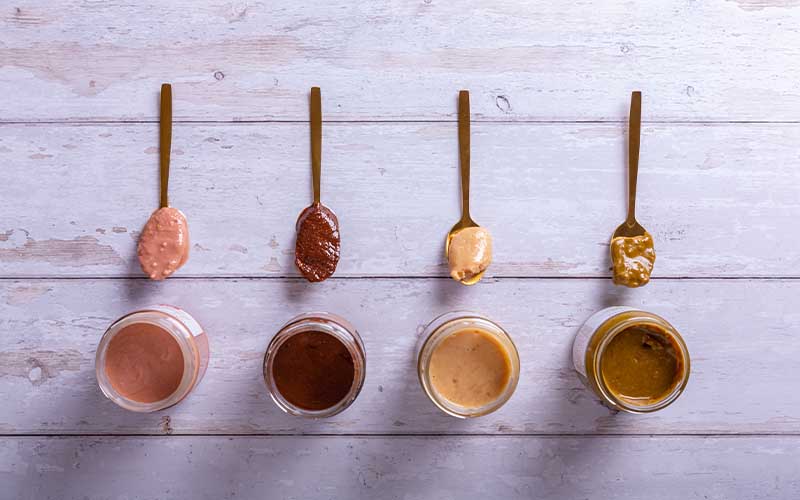
Peanut butter is more than just a tasty snack; it is a nutritional powerhouse when offered in the right form. At its core, peanut butter is rich in plant-based protein, which supports muscle maintenance and repair. It also contains essential Vitamin B (specifically Niacin) for energy metabolism and Vitamin E, a powerful antioxidant that supports skin and coat health. Additionally, the presence of healthy monounsaturated and polyunsaturated fats provides a concentrated energy source. However, the high-fat content is a double-edged sword. While it makes the treat irresistible to dogs, it also means it is incredibly calorie-dense. This is a critical factor when decoding dog food labels and assessing the overall nutritional balance of your dog’s daily intake.
The Critical Danger: Xylitol and Birch Sugar
The single most important rule for feeding peanut butter to dogs in 2024 is the absolute avoidance of Xylitol. Also known as “Birch Sugar” on some ingredient lists, Xylitol is a sugar substitute used in many “low-sugar,” “natural,” or “keto-friendly” products. While perfectly safe for human consumption, it is extremely toxic to dogs. In the canine body, Xylitol causes a rapid, massive release of insulin, leading to a life-threatening drop in blood sugar known as hypoglycemia. Symptoms can appear in as little as 15 to 30 minutes and include vomiting, loss of coordination, seizures, and in severe cases, liver failure or death. Always scan the label for any sugar substitutes before allowing your dog even a tiny taste. Even brands that were safe last year may change their formulas, so constant vigilance is required.
Managing the Calorie Count: Obesity and Pancreatitis
According to the Association for Pet Obesity Prevention, approximately 59% of dogs in the United States were classified as overweight or obese in recent surveys. Peanut butter, being high in fat, contributes significantly to this statistic if not carefully moderated. A standard two-tablespoon serving for a human contains roughly 190 to 200 calories. For a medium-sized dog weighing 30 pounds, those 200 calories could represent half of their entire daily caloric requirement. Veterinary experts generally recommend the 10% rule: treats should never exceed 10% of a dog’s total daily calories. Over-indulgence does not just lead to weight gain; the high fat levels can trigger pancreatitis, a painful and potentially fatal inflammation of the pancreas. Selecting the right snacks is a foundational step in improving your dog’s digestive health and preventing chronic metabolic issues.
The Controversy of Aflatoxins and Sodium
Beyond the immediate dangers of sugar substitutes, there is the concern of Aflatoxins. These are naturally occurring mycotoxins produced by the fungus Aspergillus flavus, which can grow on peanuts in the soil. While the USDA monitors human-grade peanut butter for these toxins, chronic exposure in dogs can impact liver health over time. Furthermore, many commercial peanut butters are loaded with sodium and palm oil. Excess salt can lead to ion poisoning or dehydration, while palm oil is a common laxative that may cause digestive upset. To minimize these risks, the gold standard for your pet is organic, unsalted, unsweetened, creamy peanut butter where the only ingredient listed is “peanuts.”
Crunchy vs. Creamy: Which is Safer?
A common question among pet owners is whether the texture of the peanut butter matters. Generally, both are safe, but there are situational preferences. Crunchy peanut butter contains small pieces of peanuts that provide extra texture and can be more effective at “masking” a pill, as the dog is already expecting to chew through solid bits. However, for very small breeds or puppies with narrow airways, those peanut fragments could pose a minor choking risk. Creamy peanut butter is usually the safer bet for stuffing toys or for dogs who tend to inhale their food without chewing. For brachycephalic (flat-faced) breeds like French Bulldogs or Pugs, a large, thick glob of creamy peanut butter can occasionally stick to the roof of the mouth or the back of the throat, causing momentary respiratory distress. It is always best to spread the peanut butter thinly rather than offering it in one large clump.
Allergies and Individual Sensitivities
Just like humans, dogs can suffer from peanut allergies, though they are statistically less common in the canine world. When introducing peanut butter for the first time, start with a pea-sized amount and monitor your dog for at least 24 hours. Signs of an adverse reaction include excessive licking of the paws, red and itchy skin, chronic ear infections, or more severe acute reactions like hives and facial swelling. Maintaining a lean weight and monitoring for these sensitivities is a key part of extending your pet’s lifespan and ensuring they remain comfortable into their senior years. If your dog shows any signs of distress, consult your veterinarian immediately to discuss alternative protein sources.
Creative and Safe Serving Ideas
If your dog is a peanut butter enthusiast, you can get creative with how you serve it to keep them mentally stimulated.
- The Frozen Kong: Mix a small amount of peanut butter with mashed bananas or plain pumpkin puree, stuff it into a rubber toy, and freeze it. This can provide 30-60 minutes of focused mental work.
- Grooming Distraction: Use a silicone lick mat with a thin layer of peanut butter to keep your dog occupied during bath time or nail trims.
- Homemade Biscuits: Bake your own treats using flour, eggs, and dog-safe peanut butter to control exactly what goes into your pup’s body.
- Medication Hack: If your dog is a “pill-spitter,” wrap the tablet in a small ball of peanut butter to ensure it goes down on the first try.
Expert Verdict
The consensus among veterinary nutritionists is that peanut butter is a safe and beneficial treat, provided the owner is diligent about ingredient labels and portion control. It is an excellent source of motivation during positive reinforcement training and offers valuable fats and proteins. However, it should never replace a balanced, commercially prepared or vet-approved raw diet. The biggest threat remains the modern food industry’s reliance on Xylitol; therefore, “dog-specific” peanut butters or home-ground peanuts are the safest choices for 2024 and beyond.
Frequently Asked Questions (FAQ)
Can puppies eat peanut butter?
Yes, puppies can eat peanut butter once they are old enough to handle solid food. However, because their digestive systems are more sensitive and their caloric needs are precise for growth, you should limit the portion to a tiny lick and always consult your vet first.
How much peanut butter can I give my dog daily?
As a general rule, a small dog (under 20 lbs) should have no more than 1/2 teaspoon per day. A large dog (over 50 lbs) may be able to handle a full tablespoon, provided it fits within their 10% daily treat allowance.
What should I do if my dog eats peanut butter with Xylitol?
This is a medical emergency. Do not wait for symptoms to appear. Contact your veterinarian or an animal poison control center immediately. Early intervention is the only way to prevent permanent liver damage or death.
Are other nut butters safe for dogs?
Almond butter is generally safe but harder to digest and can cause stomach upset. Cashew butter is safe in very small amounts but very high in fat. Never give your dog Macadamia nut butter, as Macadamia nuts are highly toxic to dogs.
Is PB2 or powdered peanut butter safe?
Powdered peanut butter often contains added sugar or salt. If it is pure dehydrated peanuts with no other additives, it is safe, but it lacks the healthy fats found in traditional peanut butter. Always check for Xylitol in powdered versions.
Conclusion
In conclusion, peanut butter remains one of the best tools in a dog owner’s arsenal for training and enrichment. By choosing natural varieties, avoiding toxic sweeteners like Xylitol, and practicing strict portion control, you can ensure that this delicious snack remains a healthy part of your dog’s life. Remember that every dog is an individual; what works for a Labrador might not be suitable for a toy Poodle. When in doubt, prioritize fresh, whole ingredients and keep your veterinarian in the loop regarding your dog’s diet and treat habits.


