Guinea pigs, or cavies, are among the most expressive and vocal rodents in the pet world. Unlike hamsters or gerbils, which tend to be relatively quiet, guinea pigs have evolved a complex repertoire of whistles, purrs, and clicks to communicate their needs to their herd and their human caregivers. For the uninitiated, a room full of guinea pigs can sound like a chaotic orchestra of squeaks. However, to the seasoned pet parent, these sounds are a sophisticated language. Understanding this auditory landscape is not just about bonding; it is a critical component of responsible pet ownership. By learning to differentiate between a happy ‘wheek’ and a distressed ‘shriek,’ you can ensure your pets are thriving both emotionally and physically. In this comprehensive guide, we will break down the acoustic world of guinea pigs, providing insights into their social hierarchy and health indicators through the lens of modern 2024 veterinary standards.
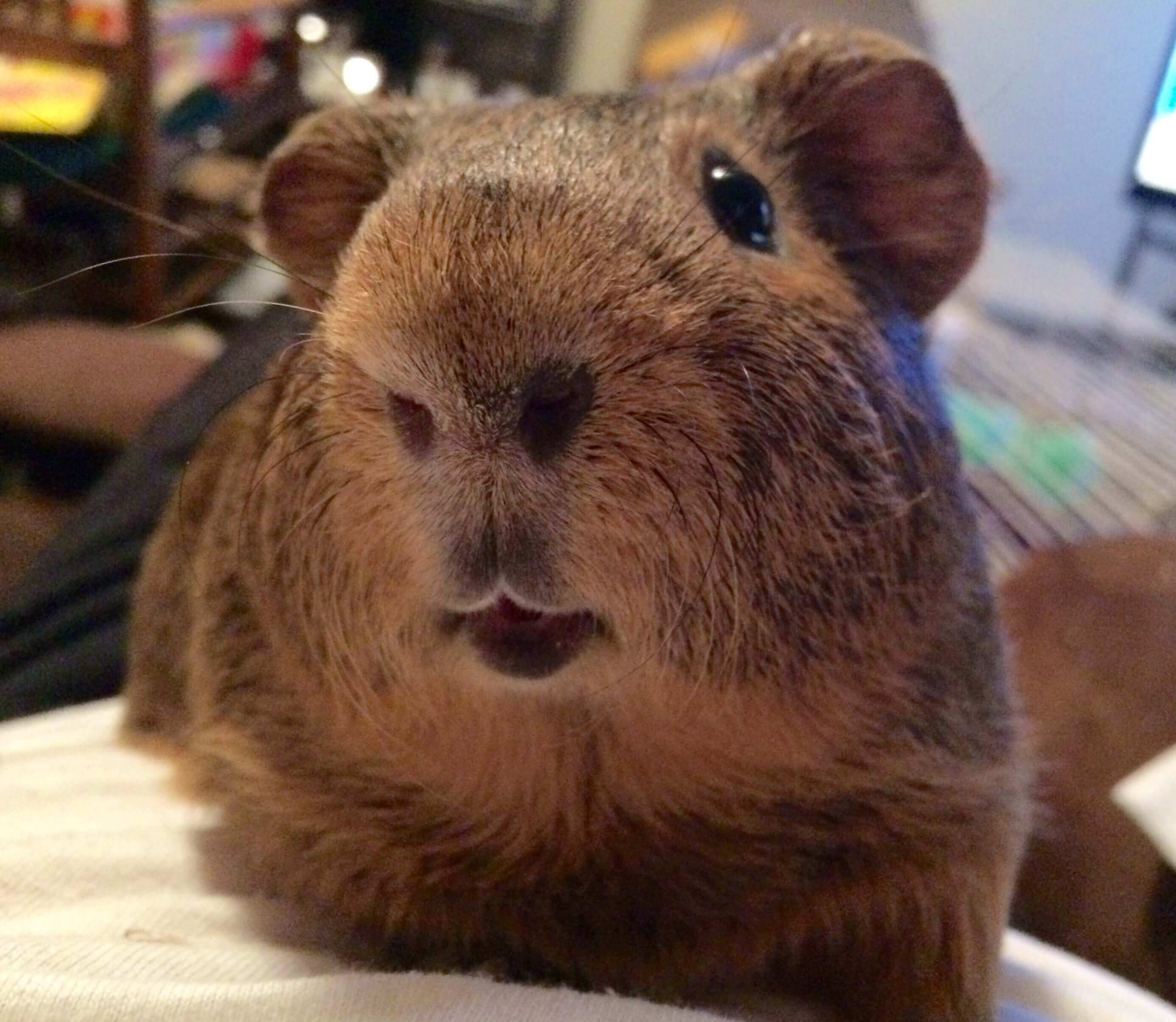
The Wheek: The Culinary Siren Call
The wheek is perhaps the most iconic sound in the guinea pig vocabulary. It is a loud, high-pitched whistle that often sounds like ‘wheek-wheek-wheek!’ In most cases, this is a demand for food. Guinea pigs are highly intelligent and quickly learn to associate the sound of a refrigerator door opening, a plastic bag crinkling, or a specific human’s footsteps with the arrival of fresh bell peppers or hay. While it is generally a happy noise of anticipation, it can also be used as a locator call. In the wild, guinea pigs use these whistles to find members of their herd. Interestingly, not all guinea pigs wheek. Case studies of long-time owners, like the experiences with Cosmo and Bentley, show that vocal personality varies wildly. While Cosmo may wheek at the slightest sound of a treat bag, his cage mate Bentley might remain silent, benefiting from Cosmo’s efforts without uttering a sound. If your piggy doesn’t wheek, it doesn’t necessarily mean they are unhappy; they may simply have a more reserved temperament.
The Chut: The Sound of a Content Explorer
When a guinea pig is feeling confident and curious, they often emit a series of soft, repetitive sounds known as chutting or clucking. This sound usually accompanies exploration. You will likely hear this during ‘floor time’ as your cavy wanders around the room, sniffing new objects and marking territory. It is a rhythmic, low-frequency sound that signifies a state of relaxed engagement. According to behavioral experts, chutting is an excellent sign of a well-socialized pet. If you hear your guinea pig chutting while you are holding them, it is a clear indicator that they feel safe and comfortable in your presence. In 2024, many pet owners are using ‘freedom pens’ to encourage this behavior, noting that a sedentary guinea pig is often a silent one, whereas an active one is a frequent ‘chutter.’
Rumble-Strutting: The Politics of the Guinea Pig Pen
The rumble is a low-pitched, vibrating sound that is almost always accompanied by a specific movement called ‘rumble-strutting.’ During this display, the guinea pig will sway their hips from side to side and move with stiff legs. This is a multifaceted sound used for both courtship and dominance. In a pair of males, rumbling is the primary way they establish who the ‘alpha’ is. It is a non-violent way of saying, ‘I am the boss here.’ While it may look and sound intimidating, it is a perfectly natural part of cavy social dynamics. It only becomes a concern if it escalates into ‘teeth chattering’ or actual fighting where blood is drawn. Recent data from animal behaviorists suggests that even bonded pairs will occasionally engage in rumble-strutting to reinforce their social structure, especially after a cage cleaning or the introduction of a new toy.
Teeth Chattering: The Warning Sign
If you hear a rapid, mechanical clicking sound, that is teeth chattering. Unlike the gentle ‘teeth rubbing’ that occurs during relaxation, chattering is loud and sharp. This is the guinea pig equivalent of a growl. It is a clear warning that the animal is agitated, angry, or feels threatened. If two guinea pigs are chattering at each other, they are on the verge of a physical altercation. Owners are advised to exercise extreme caution when intervening. Statistics from exotic animal clinics show that a significant percentage of ‘pet bites’ occur when owners try to break up a fight with their bare hands. Using a piece of cardboard or a thick towel to separate fighting pigs is a safer alternative. If your guinea pig chatters at you while being handled, it is best to return them to their cage and give them some space.
The Mystery of the Chirp
One of the most enigmatic sounds in the rodent world is the chirp. It sounds exactly like a bird and can go on for several minutes. Chirping is relatively rare; some owners go decades without ever hearing it. While there is no definitive scientific consensus, many experts believe it is a warning call triggered by a perceived threat or a strange noise. Interestingly, when one guinea pig starts chirping, the rest of the herd will often ‘freeze’ in place, lending weight to the theory that it is an alarm signal. Observations in 2024 continue to document this phenomenon, but it remains one of the great mysteries of guinea pig communication.
Medical Red Alerts: When Sound Means Trouble
As prey animals, guinea pigs are masters at hiding illness. However, their vocalizations can often betray their physical state. Wheezing, clicking, or hooting sounds during breathing are medical emergencies. These are often signs of an Upper Respiratory Infection (URI), which can be fatal if not treated with antibiotics quickly. Additionally, teeth grinding while the animal is stationary is often a sign of intense physical pain, frequently linked to bladder stones or dental issues. A case study involving a guinea pig named Biscotti highlighted how whimpering and grinding preceded the discovery of a large calcium stone. If you notice these sounds, combined with a loss of appetite or lethargy, an immediate trip to an exotic vet is mandatory.
Expert Review: The Importance of Context
When interpreting guinea pig noises, context is everything. An expert review of cavy behavior emphasizes that vocalizations must be paired with body language. For example, a ‘purr’ can be a sound of contentment if the pig is relaxed, but a ‘short, sharp purr’ can actually be a sign of annoyance or being startled by a loud noise. By observing the environment and the pig’s posture alongside the sound, you gain a 360-degree view of their emotional state. In 2024, the trend toward ‘enriched’ housing—larger cages with plenty of hideouts—has led to more vocal and expressive pets, as they feel more secure in their environment.
Frequently Asked Questions (FAQ)
Why does my guinea pig make a purring sound when I pet them?
Usually, this is a sign of enjoyment, similar to a cat’s purr. However, if the purr is high-pitched and the pig seems tense, it might mean they are annoyed. Pay attention to their body—a relaxed pig is a happy pig.
What should I do if my guinea pigs are teeth chattering at each other?
Monitor them closely. If they are just ‘rumble-strutting’ and chattering occasionally, they are just sorting out their hierarchy. If they start lunging or ‘balling up’ to fight, you must separate them immediately to prevent injury.
Is chirping a bad sign?
Not necessarily. While it is often a response to being startled, it doesn’t mean your guinea pig is sick or in permanent distress. It is simply a rare behavioral quirk.
My guinea pig makes a hooting sound like an owl. Is that normal?
No, ‘hooting’ is often associated with heart issues or respiratory congestion. You should have your cavy evaluated by an exotic vet as soon as possible.
Conclusion
Decoding the sounds of your guinea pig is a rewarding journey that deepens the bond between pet and owner. From the demanding ‘wheeks’ of a hungry cavy to the mysterious ‘chirps’ of the night, these vocalizations offer a window into their complex social lives. By staying vigilant and learning the nuances of their language, you can ensure your furry friends live a long, happy, and communicative life. Always remember that when in doubt—especially regarding clicking or grinding sounds—consulting a professional veterinarian is the best course of action for your pet’s health.


