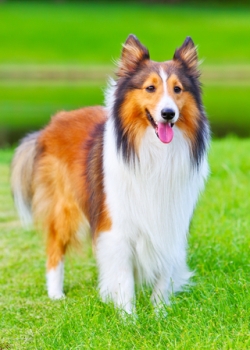
The Shetland Sheepdog, affectionately known as the “Sheltie,” is far more than just a miniature version of the Rough Collie. While they certainly share a striking resemblance to their larger cousins, Shelties are a distinct and incredibly intelligent breed with a rich history of their own. Known for their lush, lion-like manes and soulful, expressive eyes, these dogs are the quintessential family companions for those who can keep up with their quick minds and active bodies. Often described as “shadow dogs” because of their intense loyalty and tendency to follow their owners from room to room, the Sheltie offers a unique blend of elegance and hard-working farm dog grit. Whether they are competing in high-level agility trials or keeping a watchful eye on their backyard domain, these dogs bring a vibrant energy and unmatched devotion to every household they join.
The Rugged Origins of the Shetland Sheepdog
Hailing from the wind-swept Shetland Islands of Scotland, the Sheltie was originally bred as a versatile farm dog. Unlike many modern breeds developed for aesthetics, the Sheltie was built for survival in a harsh environment where food was scarce and the weather was unforgiving. In these rugged conditions, both livestock and the dogs that tended them were naturally smaller. The Sheltie was tasked with herding sheep, ponies, and even poultry, keeping them away from precious crops. This diverse background contributes to their modern versatility and explains their high vocal range—on the islands, a barking dog was a valuable alarm system against intruders or straying livestock. While they are often mistaken for Collies, genetic studies suggest they share lineage with the King Charles Spaniel and the Pomeranian, alongside the classic herding breeds of the UK.
Understanding the Sheltie Temperament: Brains and Beauty
To own a Sheltie is to own one of the most intelligent dogs in the canine kingdom. Consistently ranked in the top 10 for intelligence, these dogs possess an uncanny ability to understand human emotions and commands. However, this high IQ means they require consistent engagement. Without a job to do, a Sheltie will quickly find their own “work,” which often involves herding the family cat, chasing passing cars, or redesigning your living room cushions. Because they were bred to work closely with humans, they are exceptionally eager to please, making them superstars in obedience training. Understanding 8 reasons why dog training is so important can help owners realize that for a Sheltie, training is not just about manners; it is a vital form of mental engagement that prevents anxiety and destructive behaviors.
Shelties are also known for being “one-person” or “one-family” dogs. While they are intensely affectionate with their inner circle, they are notoriously reserved with strangers. This timidity is not necessarily a flaw but a breed trait—they are discerning and take their time to evaluate new people. Early socialization is critical to ensure this natural caution doesn’t turn into fearful aggression. Despite their small stature, usually standing 13 to 16 inches at the shoulder and weighing between 16 and 20 pounds, they possess a big personality that can fill a home with joy and occasionally, quite a bit of noise.
Managing the Energy: Exercise and Mental Stimulation
Do not let their elegant coat and petite frame fool you; the Shetland Sheepdog is a high-energy athlete. They require at least 60 to 90 minutes of vigorous activity daily. This doesn’t just mean a slow walk around the block; Shelties crave activities that challenge their agility and speed. Many owners find success in dog sports like agility, flyball, or herding trials, where the breed naturally excels. Because they are so bright, physical exercise alone often isn’t enough to tire them out. It is essential to learn how to provide your dog with mental stimulation to keep their active minds occupied. Puzzle toys, hide-and-seek games, and scent work are excellent ways to burn off that mental energy that can otherwise lead to excessive barking.
Comparison with Other Herding Breeds
Potential owners often weigh the pros and cons of the Sheltie against other high-intelligence herding dogs. While they share some similarities with the Australian Shepherd dog breed, Shelties are generally more manageable in size and slightly more sensitive to their environment. While an Aussie might push through obstacles with sheer force, a Sheltie will try to figure out a clever way around them. Both breeds require dedicated owners, but the Sheltie’s vocal nature and extreme loyalty set them apart as a unique suburban-to-farm companion.
Grooming and the Iconic Double Coat
The crowning glory of the Sheltie is undoubtedly its magnificent double coat. The outer coat consists of long, straight, harsh hair, while the undercoat is short, furry, and very dense. This combination kept their ancestors warm in the Scottish rain, but for the modern pet owner, it means a commitment to regular grooming. Weekly brushing is the minimum requirement to prevent painful matting, especially behind the ears and around the “pants” (the long hair on their hindquarters). During the two major shedding seasons each year—colloquially known as “blowing coat”—daily brushing becomes necessary to manage the blizzard of fur. While the grooming process is time-consuming, it is a wonderful bonding opportunity and essential for skin health.
Health Considerations and Life Expectancy
With a life expectancy of 12 to 13 years, the Sheltie is generally a hardy breed, but they are predisposed to certain genetic conditions. Responsible breeders screen for the following issues to ensure the health of the lineage:
- Collie Eye Anomaly (CEA): An inherited condition that can lead to vision loss or blindness.
- Hip Dysplasia: A malformation of the hip joint that can cause arthritis and mobility issues.
- Dermatomyositis: Often called “Sheltie Skin Syndrome,” this is an inflammatory disease of the skin and muscles.
- Von Willebrand’s Disease: A bleeding disorder caused by a deficiency in blood clotting proteins.
- MDR1 Mutation: A genetic sensitivity to certain drugs (like ivermectin) that can be fatal if the veterinarian is not aware of the condition.
Expert Review & Verdict
Expert Verdict: The Shetland Sheepdog is a 5-star companion for the active, engaged owner. Their combination of extreme intelligence, loyalty, and beauty makes them one of the most rewarding breeds to own. However, they are not recommended for owners who are away from home for long hours or those who prefer a quiet, sedentary lifestyle. Their tendency to bark and their high need for mental engagement require a patient, present handler. If you are looking for a “thinking” dog that will be your most devoted friend and an impressive athlete, the Sheltie is an unbeatable choice. They are particularly well-suited for families with children who have been taught how to respect animals, as the Sheltie’s herding instinct can sometimes lead them to nip at the heels of running children.
Frequently Asked Questions (FAQ)
Are Shelties good for apartment living?
Yes, Shelties can adapt to apartment living provided their exercise needs are met. However, their tendency to bark at hallway noises can be a challenge for some neighbors. Sound-proofing and consistent bark training are often necessary in high-density housing.
How much do Shelties shed?
Shelties are heavy shedders. They shed moderately year-round and “blow” their undercoat twice a year, usually in the spring and fall. Investing in a high-quality de-shedding tool and a good vacuum is a must for Sheltie owners.
Are they good with other pets?
Generally, yes. Shelties are non-aggressive and usually get along well with other dogs and even cats. Their herding instinct may cause them to try and “direct” other animals, but this is rarely malicious.
Is the Sheltie just a small Collie?
While they look similar and share some ancestors, they are a separate breed with distinct personality traits. Shelties tend to be more energetic and vocal than the more laid-back Rough Collie.
Conclusion
The Shetland Sheepdog is a testament to the idea that great things come in small packages. From their origins on the rocky shores of Scotland to their current status as beloved family pets and agility champions, they have proven themselves to be versatile, intelligent, and deeply affectionate. By providing them with the mental stimulation, physical exercise, and grooming they require, you will be rewarded with a companion whose loyalty knows no bounds. If you are ready for a dog that will truly share your life and challenge your wit, the Sheltie is waiting to join your flock.


