Leaving your beloved companion at the veterinary clinic for a procedure involving sedation or anesthesia is never easy. Whether you are the proud parent of a boisterous Golden Retriever or a delicate African Grey parrot, the anxiety that comes with ‘going under’ is a universal experience for pet owners. We often find ourselves pacing the living room, waiting for that one phone call that tells us everything went smoothly. As someone who has spent years navigating the world of exotic animal care and general pet wellness, I can tell you that understanding the nuances of these medical techniques is the best way to quiet those nerves. Knowledge doesn’t just provide peace of mind; it allows us to become better advocates for our pets’ safety and health.
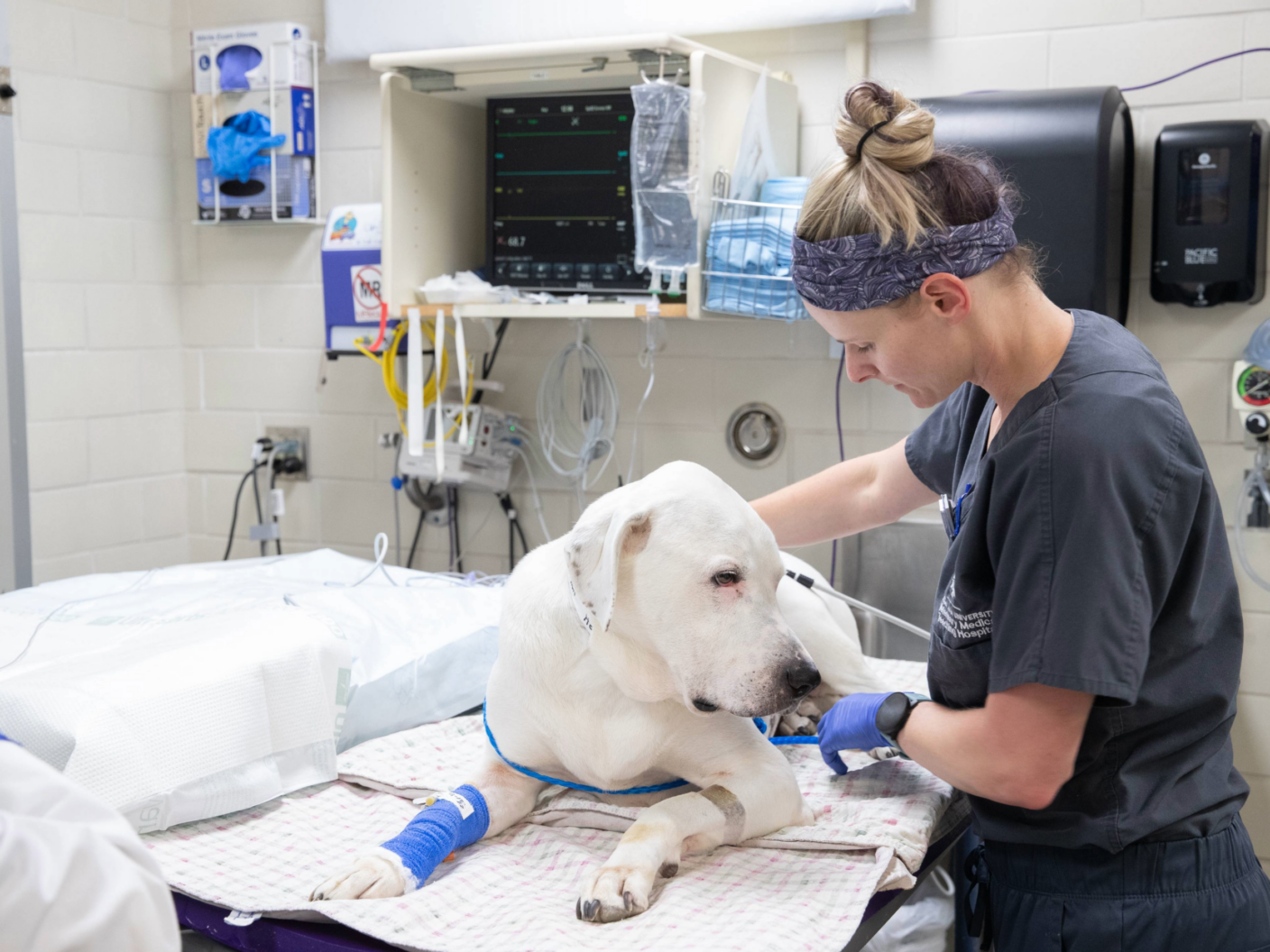
Veterinary medicine has advanced exponentially over the last two decades, making these procedures safer than they have ever been. However, the terms ‘sedation’ and ‘anesthesia’ are often used interchangeably in casual conversation, which can lead to confusion. Dr. Courtney Baetge, a clinical associate professor at the Texas A&M College of Veterinary Medicine & Biomedical Sciences, emphasizes that these aren’t just separate categories but points on a single spectrum of care. By demystifying what happens behind the closed doors of the treatment room, we can better prepare ourselves and our pets for a successful medical journey.
Understanding the Spectrum: Sedation vs. General Anesthesia
To understand the difference, it helps to think of a sliding scale of consciousness. At one end, you have a pet that is fully awake, and at the other, a pet that is in a deep, reversible state of unconsciousness. Sedation typically occupies the milder side of this scale. It is intended to keep pets calm, still, and relatively indifferent to what is happening around them. A lightly sedated pet might look like they are taking a very heavy nap; they might still react to loud noises or shift their position if touched.
General anesthesia, on the other hand, is a state where the pet is completely unaware and unresponsive to even strong stimulation. This is necessary for invasive surgeries where movement or pain perception would be dangerous or inhumane. While the transition from deep sedation to anesthesia can seem subtle, the medical requirements change significantly. Once a pet crosses the threshold into full anesthesia, they lose their ability to maintain their own airway and regulate certain bodily functions, necessitating a much higher level of technological support and monitoring from the veterinary team.
When is Sedation the Right Choice?
Veterinarians generally opt for sedation when a procedure is relatively short and non-invasive. Think of it as a tool for cooperation rather than major surgery. Common scenarios include taking high-quality X-rays (which require the pet to remain perfectly still in specific positions), minor wound repairs, or even certain dermatological exams for particularly anxious animals. The goal here is to reduce the stress on the pet’s body. Because sedation uses lower doses of drugs, animals often recover faster and experience fewer systemic side effects.
However, even with simple sedation, monitoring is key. A sedated pet should still be able to breathe independently and maintain a steady heart rate. It is also important to remember that for some pets—especially those that are highly reactive—sedation alone might not be enough to safely complete a task. In these cases, the vet might decide that a light plane of anesthesia is actually safer than fighting through a high-stress sedation situation.
The Mechanics of General Anesthesia: Safety and Monitoring
When the stakes are higher—such as during an abdominal surgery or a complex orthopedic procedure—general anesthesia is the gold standard. One of the most critical components of anesthesia is the placement of an endotracheal tube. This tube serves two vital purposes: it provides a direct path for 100% oxygen and anesthetic gases, and it protects the lungs from foreign material. This is a crucial safety measure to prevent complications like aspiration pneumonia, which can occur if a pet vomits while their protective reflexes are suppressed.
During anesthesia, your pet’s vitals are monitored with the same level of care you would expect in a human hospital. This includes:
- Pulse Oximetry: Measuring the oxygen saturation in the blood.
- Capnography: Tracking the amount of carbon dioxide exhaled to ensure effective breathing.
- Blood Pressure Monitoring: Ensuring vital organs are receiving adequate blood flow.
- Electrocardiogram (ECG): Monitoring the heart’s rhythm and rate.
The expertise of the veterinary staff is paramount here. The role of the technician is to act as the pet’s ‘guardian,’ adjusting the depth of anesthesia second by second based on the data from these monitors. This is why continuing education for veterinarians and their staff is so critical—they must stay sharp on the latest protocols to ensure every pet comes home safely.
Assessing the Risks: Why Every Pet is Unique
There is no “one-size-fits-all” dose for anesthesia. Factors such as breed, age, weight, and pre-existing health conditions play a massive role in how a pet metabolizes medication. For example, sighthounds like Greyhounds have a unique metabolism that requires specific anesthetic protocols, while brachycephalic breeds (like Pugs or Bulldogs) require extra care during the waking-up phase because of their narrowed airways.
Dr. Baetge notes that older pets or those with underlying diseases are naturally at a higher risk. However, it is a common misconception that sedation is always ‘safer’ than anesthesia for these patients. In some cases, the controlled environment of general anesthesia—with a protected airway and precise gas titration—is actually far safer than heavy sedation. This is why many vets insist on addressing health issues early on. Often, complications from delayed pet visits mean that when a procedure finally becomes mandatory, the pet is in a more fragile state than they would have been months prior.
The Essential Role of Pre-Operative Testing
Before any sedative or anesthetic is administered, your vet will likely recommend a battery of tests. This usually includes blood work to check liver and kidney function, as these organs are responsible for processing and clearing the medications from the system. If the pet is older or has a suspected heart murmur, chest X-rays or an echocardiogram might be necessary. While no test can eliminate 100% of the risk, they provide a roadmap for the veterinarian, allowing them to tailor the ‘drug cocktail’ to your pet’s specific needs.
Post-Procedure Care: Helping Your Pet Wake Up Happy
The recovery period is just as important as the procedure itself. As the medications wear off, pets may feel groggy, disoriented, or even slightly nauseous. This ‘dysphoria’ can sometimes look like pain—pets might whine or pace—but it is often just the brain trying to re-orient itself. At home, you should provide a quiet, dimly lit, and warm environment. Keep other pets away until your companion is fully alert, and follow your vet’s instructions regarding food and water intake strictly to avoid choking or vomiting.
People Also Ask: Your Top Concerns Answered
Q: Can my pet die from anesthesia?
While there is always a non-zero risk with any medical procedure, the chance of a healthy pet having a fatal reaction to anesthesia is extremely low (estimated at less than 0.1% in modern clinics). Pre-operative screening and diligent monitoring make the process very safe.
Q: Why does my pet have to fast before anesthesia?
Fasting reduces the amount of food in the stomach. This significantly lowers the risk of the pet vomiting and inhaling that material into their lungs (aspiration) while they are unable to swallow.
Q: How long will it take for my pet to be ‘normal’ again?
Most pets are back to their usual selves within 24 to 48 hours. However, older pets or those who underwent very long procedures may take a little longer to fully clear the medications from their system.
Expert Verdict: Balancing Risk and Benefit
In the world of pet care, we must always weigh the risks of a procedure against the benefits of the outcome. Sedation and anesthesia are not things to be feared, but tools to be respected. They allow us to perform life-saving surgeries, essential dental cleanings, and diagnostic imaging that would be impossible (and terrifying) for a pet to undergo while fully awake. By choosing a veterinary team you trust and following all pre- and post-operative instructions, you are giving your pet the best possible chance for a smooth experience. Trust the science, trust your vet, and know that these measures are in place specifically to keep your best friend safe, comfortable, and pain-free.
Actionable Conclusion
To summarize, if your pet is scheduled for a procedure, remember these key takeaways: 1. Always perform recommended pre-op blood work. 2. Be honest with your vet about any supplements or medications your pet is currently taking. 3. Follow fasting instructions to the letter. 4. Prepare a recovery ‘safe zone’ at home with soft bedding and minimal noise. Your pet’s medical team is there to support you, so never hesitate to ask questions about the specific monitoring and drugs they plan to use. With the right preparation, you can turn a stressful day into a successful step toward your pet’s long-term health.


