The Evolution of Veterinary Care and the Necessity of Lifelong Learning
Within the last couple of decades, the landscape of veterinary medicine has undergone a seismic shift, transforming from a field of basic diagnostics to a high-tech discipline comparable to human medicine. Before the turn of the new century, diagnostic capabilities were largely limited to standard X-rays and physical exams. Today, the modern veterinary clinic is an environment of sophisticated technology where Magnetic Resonance Imaging (MRI), high-definition ultrasound, and complex molecular lab tests are the gold standard. To navigate this rapid evolution, continuous education has transitioned from a professional recommendation to an absolute necessity for animal doctors and their dedicated support staff.
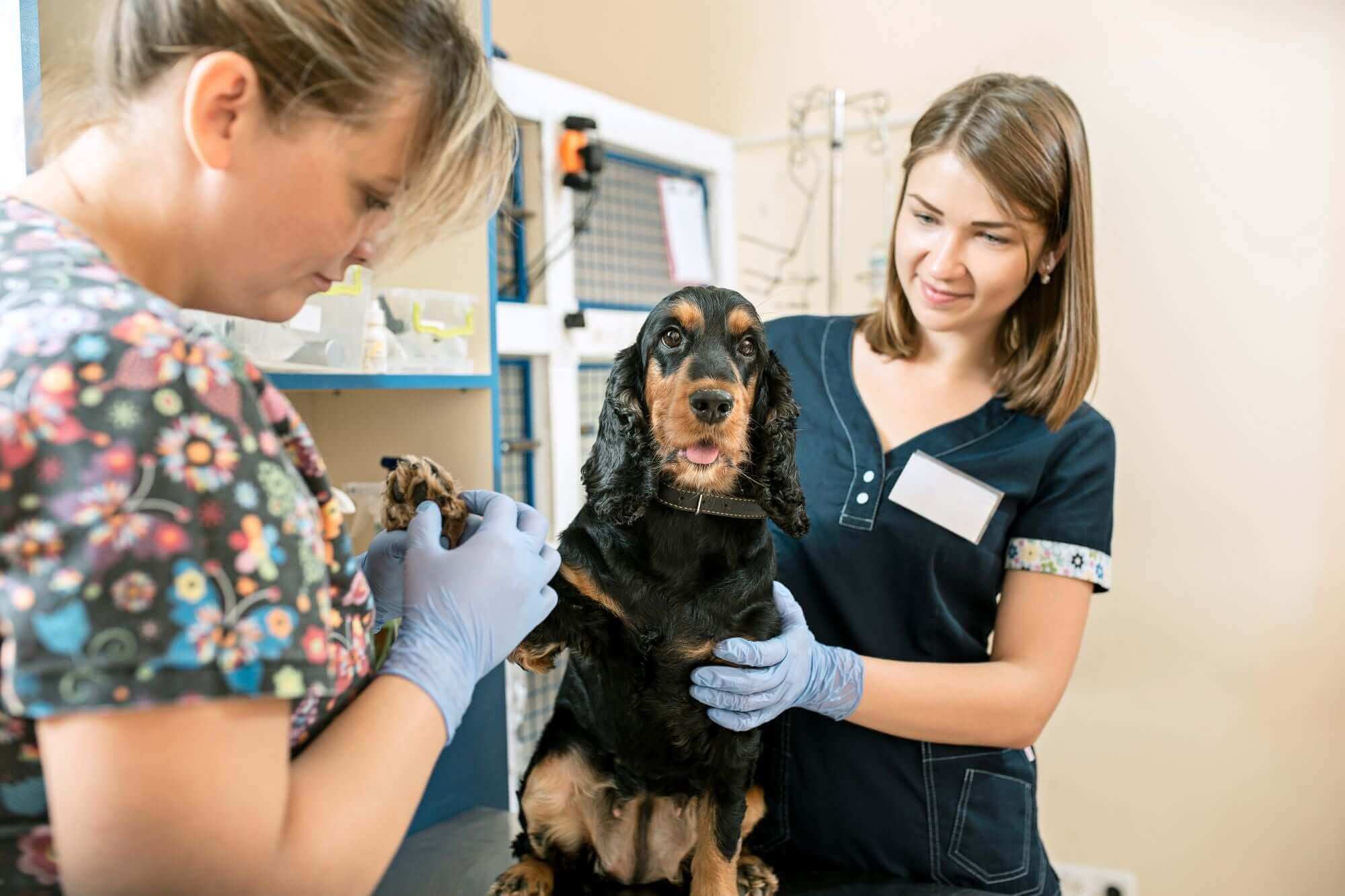
Lifelong learning is the engine that drives the advancement of veterinary medicine. It provides practitioners with the specialized knowledge required to interpret complex data and implement cutting-edge treatments. This commitment to education is the foundation of high-quality animal health care, benefiting not just the individual patient, but the entire veterinary field. As practitioners stay informed about the latest research, they contribute to a more robust, efficient, and effective healthcare ecosystem for animals of all kinds.
A Historical Perspective on Veterinary Progress
While the formal study of veterinary medicine began in France in 1762 with the founding of the first veterinary school in Lyon, the scope of the profession has expanded exponentially since then. What started as a focus on equine health for the military has grown into a comprehensive science covering diagnosis, treatment, prevention, and control of diseases across domestic pets, livestock, and wildlife. Today, the standard of care expected by pet owners has never been higher. To meet these expectations, veterinarians and their partners must engage in continuous professional development (CPD) to bridge the gap between historical practices and future innovations.
The Practical Challenges of Maintaining Education
One of the most significant hurdles for modern veterinarians is the sheer demand of their daily schedules. Veterinary professionals often spend twelve or more hours a day in direct patient care, performing surgeries, and managing clinic operations. This leaves very little time for the academic side of the profession, such as writing research papers, reviewing new journals, or fulfilling rigorous academic obligations. To maintain this balance, many veterinarians have turned to professional assistance. Utilizing specialized writing services, such as Edubirdie, has become a strategic way for practitioners to manage their workloads. By delegating the heavy lifting of academic writing or professional documentation to a top-tier service, veterinarians can remain focused on their primary mission: saving animal lives, while still meeting the educational requirements that keep their licenses active.
Technological Advancements: From X-Rays to Genomics
If we look back 30 years, the diagnostic tools available were skeletal compared to today’s inventory. Today, the integration of Artificial Intelligence (AI) in radiology, wearable health monitors for pets, and microchipping for permanent identification has revolutionized the industry. Advanced technologies like genomics now allow veterinarians to predict a pet’s predisposition to certain diseases before symptoms even appear. However, these tools are only as effective as the person operating them. Lifelong education empowers doctors and technicians to master these tools, ensuring they can offer the best recovery opportunities for their patients through precision medicine.
Pharmacological Innovation and Global Health
Beyond hardware, the world of veterinary pharmacology is constantly changing. New classes of sedatives, specialized antibiotics, and anabolic hormones require constant study to ensure safe administration. Furthermore, the rise of zoonotic diseases—those that jump from animals to humans—has placed veterinarians on the front lines of global public health. With high rates of global travel and immigration, diseases are no longer geographically isolated. A virus emerging in one part of the world can spread through wildlife or domestic populations rapidly. Continuous education ensures that veterinarians are trained to recognize these threats, protecting both animal and human populations simultaneously.
Regulatory Compliance and Career Advancement
In the United States and globally, the bar for veterinary care is set by governing bodies like the American Veterinary Medical Association (AVMA). These organizations publish strict guidelines regarding continuing education. In many jurisdictions, failure to complete a specific number of CE hours annually can lead to the immediate cancellation of a professional license. For specialists in high-stakes fields like cardiology or oncology, staying updated on the latest compliance rules and clinical trials is vital. For veterinary technicians, lifelong learning isn’t just about compliance; it is a ladder to career advancement. Specialization in anesthesia, dental care, or emergency medicine allows technicians to take on leadership roles, increasing their earning potential and the quality of care provided by their clinics.
Expert Verdict: The Future is Educational
Experts agree that the


