In an era where environmental consciousness is no longer optional but a necessity, pet parents are looking for innovative ways to reduce their ecological footprint. Did you know that all of Healthy Pet’s products, including the renowned okocat and carefresh lines, are 100% biodegradable and compostable? As we move through 2024, the trend toward zero-waste living has permeated the pet industry, challenging the traditional ‘scoop and toss’ mentality. By choosing sustainable materials, you are not just providing a healthier environment for your animal companion; you are actively participating in a circular economy that minimizes landfill contributions. Healthy Pet is at the forefront of this movement, striving for minimal waste through products designed to return to the earth. Whether you are a dedicated cat person or a small animal enthusiast, understanding the lifecycle of your pet’s litter is the first step toward a greener home. This guide will walk you through the nuances of turning used bedding into nutrient-rich soil, ensuring your furry friend leaves behind a legacy of growth rather than a mountain of plastic-wrapped waste.
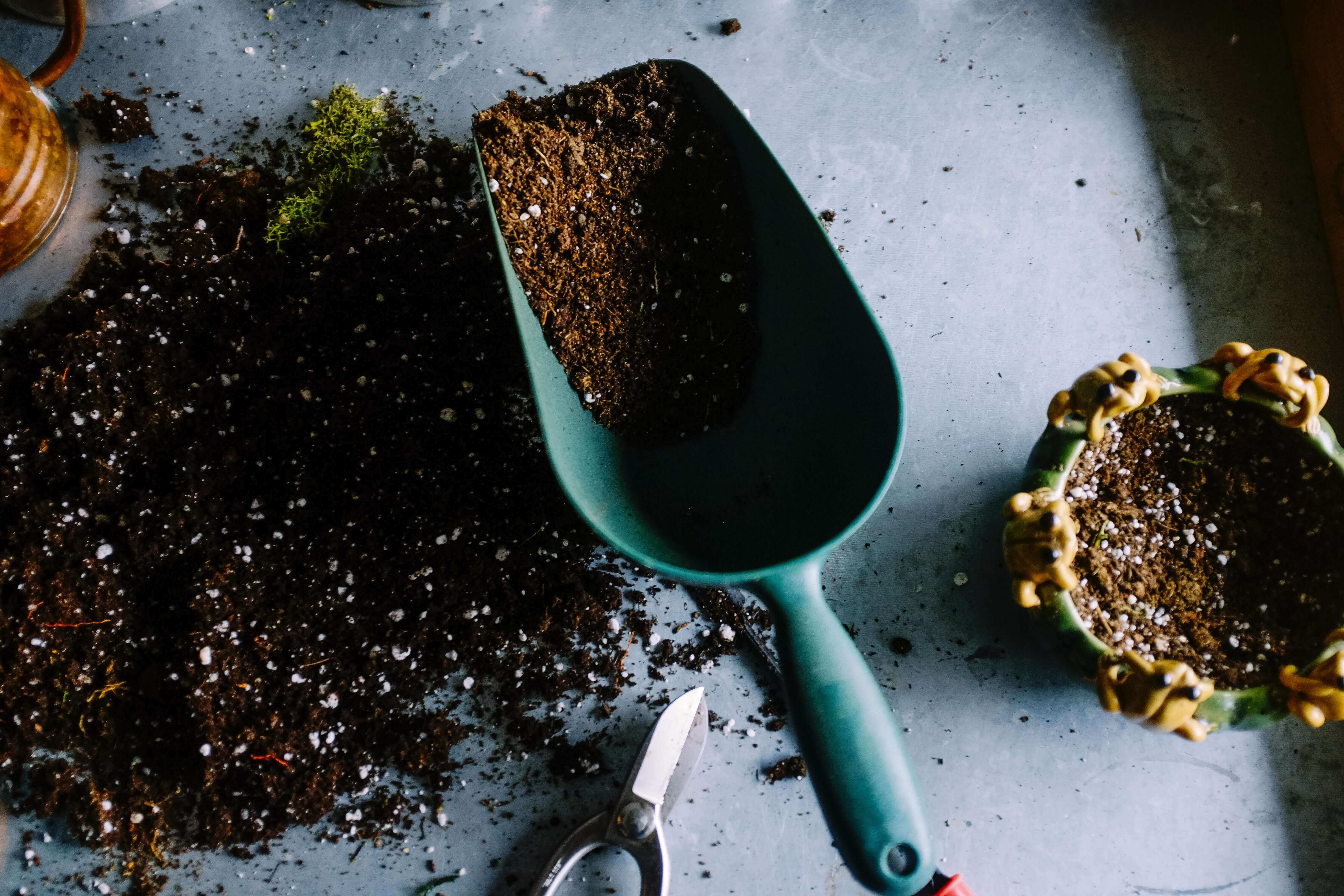
The Growing Environmental Impact of Pet Waste
As we look at global statistics for 2024, the impact of pet ownership on the environment is staggering. In the United States alone, it is estimated that over 5 million tons of cat litter end up in landfills annually. Most traditional litters are composed of bentonite clay, which is not only non-biodegradable but is also sourced through environmentally destructive strip mining. Furthermore, once this clay reaches a landfill, it is often sealed in plastic bags, creating anaerobic conditions that prevent even the smallest amount of organic matter from breaking down, leading to the production of methane gas.
By switching to products like okocat natural litter or carefresh small animal bedding, you are opting for reclaimed wood and paper fibers that are inherently part of the carbon cycle. These materials are 100% plant-based, meaning they have the potential to break down into organic humus that can rejuvenate soil. Transitioning to a composting mindset is a powerful way to mitigate the ‘carbon pawprint’ of your household. Recent consumer surveys suggest that over 65% of pet owners now prioritize ‘sustainability’ when choosing pet supplies, marking a significant shift in the market toward brands that offer compostable solutions.
The Science of Composting: Turning Waste into Worth
Composting is the biological process of aerobic decomposition, where organic matter is broken down by microorganisms such as bacteria, fungi, and earthworms. To succeed at home composting, you must maintain a balance between ‘Greens’ (nitrogen-rich materials like pet waste and food scraps) and ‘Browns’ (carbon-rich materials like wood-based okocat litter or paper-based carefresh bedding). Healthy Pet products serve as an excellent ‘Brown’ source, providing the structure and carbon needed to fuel the microbial process.
Optimal composting requires active management. This includes stirring and turning the pile every few days to introduce oxygen, monitoring moisture levels to ensure it stays as damp as a wrung-out sponge, and checking the temperature. For effective pathogen reduction, a compost pile should ideally reach temperatures between 131°F and 140°F (55°C to 60°C). While this takes effort, the result is a high-quality soil amendment that can improve garden moisture retention and nutrient density.
Herbivores: The Composting Gold Standard
If you own an herbivore, such as a rabbit, hamster, guinea pig, or gerbil, you are in luck. The waste of these animals is considered a ‘cold’ manure, meaning it is less likely to carry the heavy pathogen loads found in carnivore waste. Their droppings, combined with carefresh small animal bedding, can be added directly to your home compost bin without the same level of concern as cat or dog waste.
3 Basic Steps for Herbivore Composting:
- Collect: Gather the used bedding and droppings from your pet’s enclosure. Because carefresh is made from reclaimed fiber, it provides the perfect carbon-to-nitrogen ratio when mixed with herbivore waste.
- Mix: Integrate the waste into your compost pile, ensuring it is well-covered by other organic materials like grass clippings or leaves to facilitate rapid breakdown.
- Mature: Allow the pile to sit and decompose for several months. Once the mixture looks like dark, crumbly soil and has an earthy smell, it is ready for use in your vegetable garden or flower beds.
The Omnivore and Carnivore Distinction: Cats and Dogs
Composting the waste of cats (who use okocat) or dogs (who use Puppy Go Potty) requires a more disciplined approach. Because these animals consume proteins, their feces may contain harmful bacteria and parasites, such as Toxoplasma gondii. It is a critical standard of safety that cat and dog waste should NOT come into contact with anything edible, such as vegetable gardens or fruit trees.
To safely compost these litters, you must first remove the solid waste. We recommend using a biodegradable bag to dispose of the feces separately in the trash or a dedicated pet-waste septic system. The remaining litter, which is saturated with urine (a great source of nitrogen), can then be added to a dedicated compost pile. This specific compost should be aged for at least six months to a year to ensure complete breakdown. The resulting material is perfect for ornamental plants, shrubs, lawns, and flower gardens, where it can provide structural benefits to the soil without posing a risk to the food chain.
Safety Precautions and Expert Warnings
While composting is a sustainable win, safety must remain a priority. It is essential to never compost the waste of any animal that is currently ill, taking medication, or has a known contagious condition. Residual medications can persist in the compost and eventually leach into the groundwater or affect soil health. Furthermore, a word of caution for pregnant women: handling cat waste should be avoided entirely due to the risk of toxoplasmosis, which can cause severe birth defects.
Additionally, always ensure your litter is 100% plant-based. You must NOT compost clay, silica-based, or crystal litters. These materials do not break down; in fact, clay can harden and damage the soil structure, while synthetic fragrances and toxins found in many conventional litters can kill the beneficial microbes your compost pile relies on.
Expert Review: The Verdict on Natural Litters
From a horticultural perspective, the use of reclaimed wood fibers (like those in okocat) provides a superior soil amendment compared to traditional options. The wood fibers help with soil aeration and water retention long after the composting process is complete. Expert reviewers in the sustainable gardening space highlight that pet waste composting is one of the final frontiers of the zero-waste home. By diverting these materials from the landfill, you are effectively closing the nutrient loop. The verdict is clear: if you are willing to manage the process correctly, composting Healthy Pet products is one of the most impactful environmental decisions a pet owner can make in 2024.
Frequently Asked Questions (FAQ)
Can I put cat litter compost on my vegetable garden?
No. We strongly recommend using compost derived from cat or dog litter only for ornamental plants, lawns, and flowers. Due to the potential for persistent pathogens, it should never be used on food crops.
How long does it take for okocat litter to fully compost?
Depending on the heat of your pile and local climate, it generally takes 6 to 12 months for the wood fibers to fully break down into usable soil.
What if I don’t have space for a compost bin?
Many cities now offer industrial composting services. Check with your local waste management company to see if they accept pet waste in their yard waste bins. Look for BPI (Biodegradable Products Institute) certification if you plan to use compostable bags in these systems.
Does composting pet waste smell?
If managed correctly with a proper balance of carbon (the litter) and nitrogen (the waste), and if the pile is turned regularly to maintain oxygen levels, there should be minimal to no odor. If it smells, it usually means the pile is too wet or needs more oxygen.
Is carefresh bedding safe for all garden types?
Yes! Since carefresh is used by herbivores, the resulting compost is generally safe for all garden types, including vegetables, provided it has been properly processed.
Conclusion
Transitioning to a compost-friendly pet care routine is a rewarding journey that benefits both your home and the planet. By utilizing Healthy Pet’s range of sustainable products, from okocat to carefresh, you are choosing materials that respect the earth’s natural cycles. While composting requires a bit of dedication and adherence to safety protocols, the reward of reducing your landfill contribution and enriching your garden soil is well worth the effort. Start small, follow the guidelines, and join the thousands of pet parents who are making a difference, one scoop at a time.


