Your cat’s eyes are more than just striking features; they are essential indicators of their overall physical health. Whether they are deep emerald, bright amber, or a piercing blue, a cat’s eyes should ideally be clear, bright, and free from irritation. However, when you notice your feline friend squinting, pawing at their face, or sporting a thick, cloudy discharge, it is often a sign of feline conjunctivitis, commonly known as pink eye. While the term may sound familiar from human medicine, pink eye in cats can be caused by a much wider variety of complex viral and bacterial agents that require specialized veterinary attention to prevent long-term damage.
Conjunctivitis occurs when the conjunctiva—the mucous membrane that lines the inner surface of the eyelids and the white part of the eyeball (sclera)—becomes inflamed. In cats, this condition can be particularly painful and, if left unaddressed, may lead to corneal ulcers, scarring, or even permanent vision loss. Understanding the nuances of this condition, from its infectious origins to the latest treatment protocols in 2024, is vital for every cat owner dedicated to their pet’s well-being.
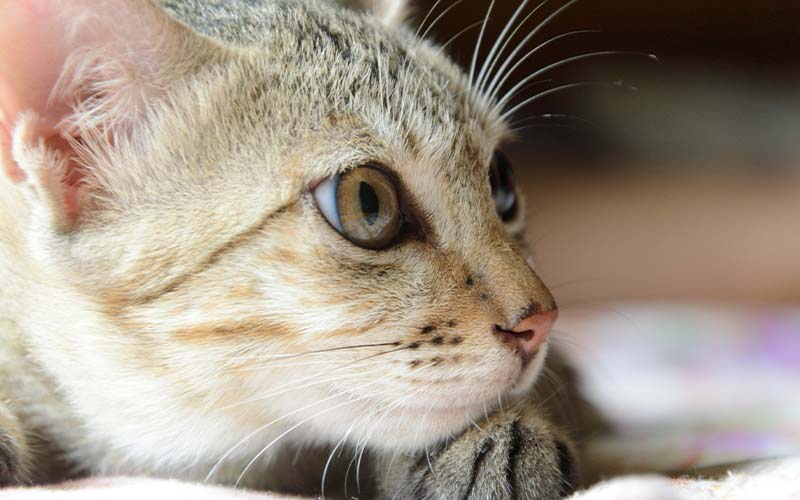
What Exactly is Pink Eye in Cats?
To understand pink eye, we must first look at feline anatomy. The conjunctiva serves as a protective barrier, rich in tiny blood vessels and immune cells that defend the eye against debris and pathogens. Cats possess a unique structure called the third eyelid (or nictitating membrane) located in the inner corner of the eye. When pink eye strikes, this membrane often becomes swollen and red, sometimes partially covering the eye—a telltale sign of distress.
Unlike humans, where pink eye is frequently a simple bacterial or viral infection that passes quickly, feline conjunctivitis is often a chronic or recurring issue. This is because many cases are tied to latent viruses that remain in the cat’s system for life, flaring up during times of stress or illness. Recognizing that feline eyes are just as sensitive as ours is the first step in providing proper care. Interestingly, while cats deal with these specific issues, there are also common eye problems in dogs that manifest with similar symptoms but often have very different underlying causes.
Primary Causes: Viral, Bacterial, and Environmental
Identifying the root cause of feline pink eye is essential because the treatment for a virus is vastly different from the treatment for a bacterial infection or an allergy. Recent veterinary data from 2023 indicates that the vast majority of feline conjunctivitis cases are infectious in nature.
1. Viral Infections
The leading cause of pink eye in cats is Feline Herpesvirus-1 (FHV-1), also known as feline rhinotracheitis. It is estimated that up to 90% of cats are exposed to this virus during their lifetime. Once a cat is infected, the virus becomes latent in the nerve tissues and can reactivate whenever the immune system is compromised. Another common culprit is Feline Calicivirus, which typically presents with oral ulcers alongside eye inflammation.
2. Bacterial Pathogens
Bacteria like Chlamydia felis and Mycoplasma are frequent primary or secondary invaders. Chlamydia is notorious for causing extreme swelling of the conjunctiva (chemosis) and a thick, yellow-green discharge. These bacterial infections are highly contagious in multi-cat households and shelters.
3. Allergies and Irritants
Not every red eye is an infection. Cats can suffer from allergic conjunctivitis triggered by pollen, mold, or dust. Environmental irritants such as cigarette smoke, strong perfumes, and aerosol cleaners can also cause the conjunctiva to inflame. In these cases, the discharge is usually clear and watery rather than thick and colored.
Symptoms and Clinical Signs to Monitor
Cat owners should be vigilant for the following signs of ocular distress:
- Excessive Blinking or Squinting: Known as blepharospasm, this is a clear sign of eye pain.
- Redness and Swelling: The tissues around the eye look meaty or bright pink.
- Discharge: This can range from watery and clear to thick, yellow, or even bloody.
- Protrusion of the Third Eyelid: Seeing a white or pinkish film across the corner of the eye.
- Respiratory Issues: Sneezing and nasal congestion often accompany viral conjunctivitis.
If your cat is showing these signs, it is important to consult a professional. Choosing a veterinarian with experience in feline medicine is a crucial step in ensuring your cat receives a proper diagnosis via fluorescein staining or PCR testing.
Can Humans Catch Pink Eye From Cats?
A common concern among pet owners is zoonosis—the transmission of disease from animals to humans. While most causes of feline conjunctivitis are species-specific (you cannot catch Feline Herpesvirus), there are rare exceptions. Chlamydia felis has been known, in very rare instances, to cause mild conjunctivitis in humans, particularly those who are immunocompromised. Maintaining strict hygiene, such as washing your hands after treating your cat’s eyes, virtually eliminates this risk.
Modern Treatment Protocols and Home Care
In 2024, the approach to treating feline pink eye has become more targeted. Veterinarians no longer just prescribe a general “triple antibiotic.” Instead, treatments are tailored to the suspected pathogen:
- Antiviral Medications: Drugs like Famciclovir are now commonly used for severe Herpesvirus flare-ups.
- Topical Antibiotics: Erythromycin or Terramycin are often used to combat bacterial infections like Chlamydia.
- Anti-inflammatories: These help reduce swelling and pain, making the cat much more comfortable.
- L-Lysine Supplements: While clinical studies offer mixed results, many vets still recommend this amino acid to help suppress viral replication.
Important Safety Warning: Never use human over-the-counter eye drops (like Visine) on your cat. These products can cause severe vasoconstriction or contain ingredients that are toxic to felines.
Expert Verdict: The Importance of Early Intervention
Leading veterinary ophthalmologists agree that “waiting it out” is rarely the best strategy for cat eye issues. Because cats are masters at hiding pain, an eye that looks slightly irritated to you might actually be quite painful for them. A case study from a 2023 feline health symposium highlighted that cats treated within the first 48 hours of symptoms had a 40% faster recovery rate than those where treatment was delayed for a week. Early intervention prevents the formation of symblepharon—a condition where the inflamed conjunctiva permanently adheres to the cornea.
Beyond medical treatment, maintaining a stress-free environment is the best way to prevent viral flare-ups. Proper nutrition and learning how to keep your cat’s coat healthy through regular grooming can also reduce the environmental allergens that might irritate the eyes.
Frequently Asked Questions (FAQ)
Can I use salt water to clean my cat’s eyes?
You can use a sterile saline solution (the kind sold for human contact lenses with no added medications) to gently wipe away discharge from around the eye. However, this will not cure an underlying infection; it only provides temporary relief and cleanliness.
How long does it take for feline pink eye to go away?
With appropriate treatment, most cases of simple conjunctivitis show significant improvement within 5 to 7 days, with full resolution in about two weeks. Chronic viral cases may take longer and might recur throughout the cat’s life.
Is pink eye in cats contagious to other pets?
Yes, highly so. If the cause is viral or bacterial, it can easily spread through shared food bowls, grooming, or sneezing. It is best to isolate an infected cat from other felines until the vet gives the all-clear.
Can indoor cats get pink eye?
Absolutely. Since many cats carry latent viruses from birth or their time as kittens, a flare-up can happen indoors due to stress, moving house, or even a change in diet, without any exposure to other animals.
Conclusion
Pink eye in cats is more than just a minor irritation; it is a complex condition that serves as a window into your pet’s immune health. By recognizing the early signs—squinting, redness, and discharge—and seeking prompt veterinary care, you can protect your cat from the pain and potential vision loss associated with untreated conjunctivitis. Through a combination of modern medicine, stress management, and proactive hygiene, you can ensure your cat’s eyes remain bright and healthy for years to come.


