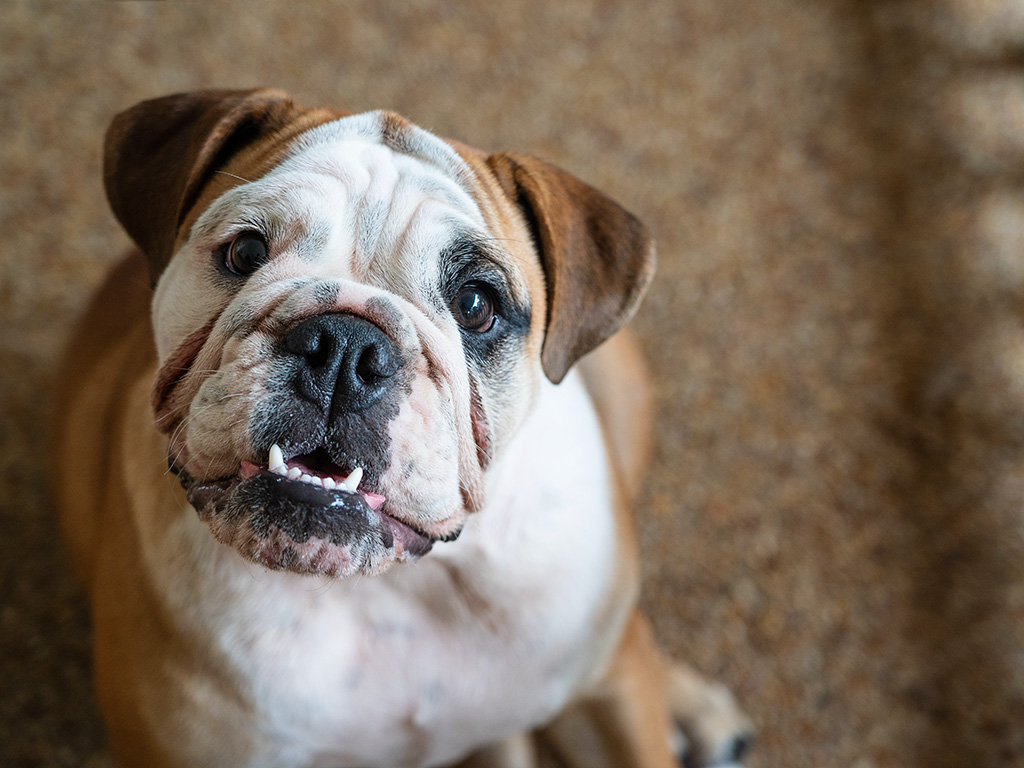
There is something undeniably magnetic about a Bulldog. Whether it is the iconic English Bulldog with its stout, courageous stance, the spunky Frenchie with its bat-like ears, or the powerful Bullmastiff, these breeds have captured the hearts of families across the globe. As a long-time enthusiast of unique and demanding breeds, I can tell you that owning a Bulldog is unlike owning any other dog. They are not just pets; they are soulful companions who require a specific kind of stewardship. Their deep-set wrinkles and “grumpy” expressions hide a temperament that is famously affectionate and loyal. However, that same unique anatomy that makes them so visually striking also presents a complex map of health requirements that every owner must navigate with care and authority.
Being a Bulldog parent means becoming a bit of a health detective. You learn to interpret every snort, every sigh, and every change in their gait. It is a journey of proactive care, where understanding the “why” behind their physical traits is the key to ensuring they live a long, comfortable life. In this comprehensive guide, we are going to dive deep into the world of Bulldogs, exploring the health challenges identified by experts like Dr. Erin Ray of the Texas A&M College of Veterinary Medicine & Biomedical Sciences, and providing you with the real-world strategies needed to help your wrinkled friend thrive.
Understanding Brachycephalic Obstructive Airway Syndrome (BOAS)
The most defining characteristic of the Bulldog is its brachycephalic (flat-faced) structure. While this gives them their beloved “squished” face, it creates a significant physiological hurdle known as Brachycephalic Obstructive Airway Syndrome (BOAS). This isn’t just one issue; it’s a collection of anatomical abnormalities. Many Bulldogs suffer from stenotic nares (pinched nostrils), an elongated soft palate that hangs down and partially blocks the trachea, and a hypoplastic trachea (a windpipe that is narrower than normal).
When a dog has BOAS, they have to work significantly harder just to move air into their lungs. This is why you often hear Bulldogs panting loudly even when resting. It is vital for owners to recognize when this goes from “normal breed noise” to a medical emergency. If you notice your dog stretching their neck out to breathe, or if their tongue turns a dusky purple or blue, you are looking at 10 critical warning signs your pet needs an urgent vet visit immediately. Early surgical intervention, such as shortening the soft palate or widening the nostrils, can be life-changing for these dogs, often increasing their energy levels and lifespan significantly.
Temperature Regulation and Exercise Safety
Because Bulldogs cannot breathe efficiently, they are masters at overheating. Dogs cool themselves primarily through panting, and because the Bulldog’s cooling system is structurally compromised, they can succumb to heatstroke in minutes—even in temperatures that seem mild to humans. Never exercise a Bulldog during the heat of the day. Stick to early morning or late evening walks, and always keep the air conditioning running during humid months. Indoors, interactive play or gentle sessions in a shallow wading pool are much safer ways to keep them engaged without risking respiratory distress.
The Art of Wrinkle Management and Skin Care
A Bulldog’s skin is a masterpiece of folds, but those folds are also a breeding ground for bacteria and yeast. The moisture trapped within the deep crevices around the nose, tail, and eyes can lead to intertrigo, or skin fold dermatitis. This is an inflammatory condition that causes redness, foul odors, and intense itching. As an owner, your daily routine must include cleaning these folds with specialized pet wipes or a damp cloth followed by thorough drying.
Beyond the folds, Bulldogs are notoriously prone to environmental and food allergies. Their short coats offer very little protection against pollen, dust mites, or grass. This often manifests as chronic ear infections or “pododermatitis” (inflammation of the paws). If you see your Bulldog constantly licking their feet or shaking their head, it is a sign that their skin barrier is compromised. Keeping their environment clean and using hypoallergenic shampoos can help, but many Bulldogs require a veterinary-prescribed diet or allergy medications to maintain their comfort.
Joint Health: Supporting a Sturdy Frame
Bulldogs are built like little tanks—compact, heavy-boned, and low to the ground. This unique skeletal structure puts immense pressure on their joints. Hip dysplasia, elbow dysplasia, and luxating patellas (kneecaps that pop out of place) are common in the breed. As they age, the wear and tear on their cartilage often leads to early-onset arthritis. This is why weight management is the single most important thing you can do for your Bulldog’s mobility.
Every extra pound on a Bulldog is like a ten-pound weight on their joints and chest. Working with your vet to find a high-quality diet is essential. If you are struggling with a larger breed or a particularly heavy Bulldog, you might consider 5 must-know tips for choosing the best food for your large breed dog to ensure they are getting the right balance of nutrients without excessive calories. Additionally, there are many simple ways to help pets stay mobile and comfortable as they age, such as using orthopedic beds, ramps for furniture, and joint supplements like glucosamine and chondroitin.
Eye Issues and Dental Complications
The prominent, slightly bulging eyes of the Bulldog are vulnerable to several conditions. Cherry Eye is a frequent occurrence, where the gland in the third eyelid prolapses and appears as a red, fleshy mass in the corner of the eye. While it looks alarming, it is usually treatable with surgery. They are also prone to entropion (where the eyelid rolls inward and the lashes rub the eyeball) and glaucoma. Regular eye checks at home are a must; any cloudiness, squinting, or excessive tearing warrants a vet visit.
Don’t forget the mouth! Because Bulldogs have a pronounced underbite and crowded teeth, food particles easily become trapped, leading to rapid plaque buildup and periodontal disease. Bad breath in a Bulldog isn’t just “dog breath”—it’s often a sign of infection. Daily tooth brushing and professional dental cleanings are non-negotiable for keeping their heart and kidneys healthy, as oral bacteria can travel through the bloodstream.
People Also Ask (Bulldog Edition)
How long do Bulldogs typically live?
On average, English Bulldogs live between 8 to 10 years. However, with modern veterinary care, strict weight management, and corrective airway surgeries, some can live 12 years or more. French Bulldogs typically have a slightly longer lifespan, often reaching 10 to 12 years.
Are Bulldogs hard to train?
Bulldogs are famously stubborn, but I prefer to call them “critically thinking.” They aren’t as eager to please as a Golden Retriever, but they are highly motivated by food. Positive reinforcement and short, engaging training sessions work best. They are very sensitive to tone, so harsh corrections will only cause them to shut down.
Do Bulldogs need a lot of exercise?
No, they are relatively low-energy dogs. A couple of short 15-minute walks per day are usually sufficient. They are perfect for apartment living as long as they have air conditioning and a comfortable place to nap.
Why does my Bulldog have a “tail pocket”?
Many Bulldogs have a deep indentation under their tail, known as a tail pocket. This area must be cleaned just like their facial wrinkles, as it can harbor infections that are very painful for the dog.
Expert Verdict and Final Thoughts
The Bulldog is a breed of contradictions: they are tough yet sensitive, stubborn yet incredibly affectionate. To love a Bulldog is to accept the responsibility of being their advocate in a world not always designed for their unique physiology. While the list of potential health issues—from BOAS and skin fold infections to joint dysplasia—can seem daunting, most of these challenges are manageable with proactive care and a strong relationship with a trusted veterinarian.
The takeaway? Don’t wait for a problem to become obvious. Be meticulous with their hygiene, keep them lean, and never underestimate the impact of heat. If you invest the time and resources into their specialized care, the Bulldog will reward you with a level of devotion and humor that is truly unmatched in the canine world. They may be “beneath the wrinkles,” but the heart of a Bulldog is where the real magic lies.


