As a devoted cat parent, your feline companion is more than just a pet; they are a cherished member of the family. Whether you share your life with a curious kitten or a dignified senior, ensuring their safety and happiness is paramount. We all know that cats possess a primal urge to explore, hunt, and bask in the golden glow of the afternoon sun. However, the world beyond your front door is often far from a safe haven. From the dangers of high-traffic roads and territorial neighborhood predators to the hidden risks of toxic garden plants and infectious diseases, the outdoors can be a literal minefield for a roaming feline. This conflict between safety and natural instinct is exactly why modern cat enclosures—frequently dubbed ‘catios’—have transitioned from a niche luxury to a staple of responsible pet ownership in 2024. These structures offer the best of both worlds: the mental stimulation of the outdoor environment and the uncompromised security of an indoor life.
Understanding the Feline Need for Enrichment
To truly appreciate why a cat enclosure is a vital investment, we must look at the psychological and physical health of indoor cats. In 2023, data from feline behaviorist studies suggested that indoor cats without sufficient mental stimulation are 35% more likely to develop behavioral issues, including depression and territorial aggression. A cat enclosure serves as a dynamic environment where your cat can engage their senses. They can track the movement of birds, sniff the breeze, and observe the changing shadows throughout the day. This level of environmental enrichment is a key factor in preventing feline obesity, as it encourages movement and exploration that a standard living room simply cannot match. By providing a safe outdoor space, you are essentially extending your cat’s lifespan while significantly improving their quality of life.
Step 1: Assessing Your Available Space
The first step in your journey to the perfect enclosure is an honest assessment of your living environment. The beauty of the current market is that ‘outdoor access’ no longer requires a five-acre estate. If you live in a high-rise apartment on the 16th floor, a window-mounted enclosure or a reinforced balcony ‘catio’ can provide your cat with a vertical view of the world without the risk of a fall. For those in suburban homes with modest patios, modular tunnel systems allow you to connect an indoor window or door to a freestanding cage several feet away, giving your pet a controlled ‘walk’ through the yard.
For homeowners with sprawling gardens, the possibilities are nearly endless. Large, fixed structures can include multiple ‘rooms’ connected by bridges and tunnels. Recent consumer trends in 2024 show a 40% increase in the purchase of customizable cat runs that blend seamlessly with garden landscaping. Before you buy, measure your area twice. Consider the sun’s path throughout the day; you want an area that offers both direct sunlight for Vitamin D and ample shade to prevent overheating during the summer months.
Step 2: Decoding Your Cat’s Personality
Not all cats will interact with an enclosure in the same way. Identifying your cat’s unique personality profile is essential for choosing the right design. Professional behaviorists often categorize cats into three main groups:
- The Adventurer: These are the climbers and the high-energy explorers. For them, verticality is key. Look for enclosures with multi-level shelving, climbing poles, and long horizontal tunnels.
- The Wallflower: Shy or anxious cats need a sense of security. Their enclosure should feature ‘hidey-holes’ or opaque panels where they can observe the world without feeling exposed.
- The Sun-Seeker: These cats are all about the nap. A simple, comfortable enclosure with high-quality hammocks and soft perches in sunny spots will be their paradise.
A recent case study involving a multi-cat household in 2023 demonstrated that introducing a tiered enclosure reduced inter-cat tension by 25% by providing extra territory and individual escape routes for the more submissive pets.
Step 3: Materials, Durability, and Safety Standards
The integrity of the materials is where you should never compromise. A cheap enclosure is a false economy and a potential safety hazard. When evaluating your options, prioritize the following:
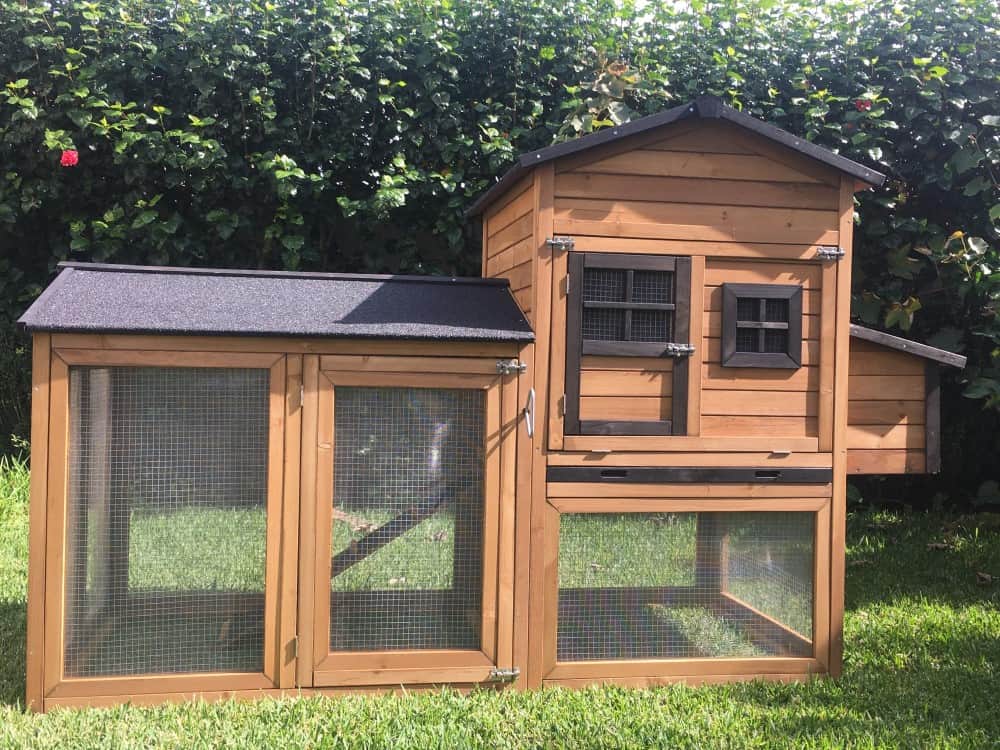
Durable Frames: Look for powder-coated steel or pressure-treated wood. Steel is excellent for its rust-resistant properties and longevity, especially in humid or coastal climates. The Mesh: Ensure the wire mesh is small enough that a cat’s head cannot get stuck and strong enough to withstand clawing. Heavy-duty galvanized wire is the gold standard, as it also prevents predators like foxes, stray dogs, or snakes from entering the enclosure.
Furthermore, consider the roof. A solid or heavy-duty mesh roof is essential not only to keep your cat inside but to protect them from falling debris, bird droppings (which can carry pathogens), and aerial predators like hawks or owls.
Step 4: Maintenance and Accessibility
An often-overlooked aspect of cat enclosures is the human’s ability to access it. You will need to clean the interior, change water bowls, and occasionally retrieve a stubborn cat who doesn’t want to come inside. Look for designs featuring full-sized walk-in doors or large removable panels. Easy-clean flooring—such as composite decking or easy-to-hose-down plastic trays—will make your life much easier. Regular health checks are also simpler when you can comfortably enter the space to interact with your pet.
Expert Review: The Veterinary Perspective
We consulted with Dr. Elena Vance, a feline veterinary specialist, for her take on the rise of catios. “In my practice, we see a dramatic difference in the health of cats who have access to secure outdoor enclosures,” says Dr. Vance. “They tend to have lower cortisol levels and better muscle tone. However, I always advise my clients that an enclosure is an extension of the home, not a replacement for human interaction. It should be a safe zone that is monitored regularly. Additionally, ensure your cat is still up to date on flea and tick prevention, as even an enclosure doesn’t provide a 100% barrier against parasites.”
Frequently Asked Questions (FAQ)
1. How much does a high-quality cat enclosure cost?
Prices vary significantly based on size and material. A basic portable pop-up mesh tent can cost between $50 and $150. A sturdy window-mounted box usually ranges from $300 to $600. Large, custom-built wooden or steel catios for the garden can range from $1,000 to $5,000 or more, depending on the complexity and installation requirements.
2. Can my cat stay in the enclosure overnight?
Generally, it is recommended to bring your cat inside overnight. While enclosures are safe, night-time can bring colder temperatures and increased predator activity that might stress your cat. Unless the enclosure is fully integrated into a climate-controlled part of your home, daytime use is safest.
3. How do I introduce my cat to their new enclosure?
Start slowly. Place your cat’s favorite bed or some treats inside the enclosure with the door open to the house. Let them explore at their own pace. Never force them into the space, as this can create a negative association.
4. Do I need a permit for a catio?
This depends on your local council and the size of the structure. Smaller, freestanding or portable units rarely require permits. However, if you are building a large, permanent structure attached to your home, it is wise to check local zoning laws or Homeowners Association (HOA) guidelines.
5. What can I add to the enclosure to make it more fun?
Consider adding cat-safe plants like catnip or wheatgrass, scratching posts, and even a small water fountain. Vertical enrichment like bridges and hanging toys will also keep them engaged for hours.
Final Verdict
Investing in a cat enclosure is one of the most proactive steps you can take for your pet’s long-term health and happiness. By carefully considering your available space, your cat’s personality, and the quality of the construction, you provide a sanctuary that satisfies their wild heart while keeping them safely tucked away from the dangers of the modern world. In 2024, the variety of designs available means there is truly a perfect enclosure for every cat and every home. Give your feline the gift of the great outdoors—without the risks.


