When we bring a small pet into our homes, we aren’t just gaining a companion; we are assuming the role of their personal nutritionist. For many small mammals, particularly the beloved guinea pig, nutrition is not a static requirement but a dynamic biological necessity that dictates their quality of life. While we often associate Vitamin C with our own cold and flu season, for certain small pets, this micronutrient is the literal foundation of their skeletal and vascular health. Ensuring your pet receives the correct dosage is more than just a wellness trend—it is a preventative measure against debilitating conditions like scurvy and chronic dental disease. As exotic veterinary medicine advances in 2024, we have a clearer understanding than ever before of how these animals metabolize nutrients and why some traditional pet store solutions simply do not make the cut.
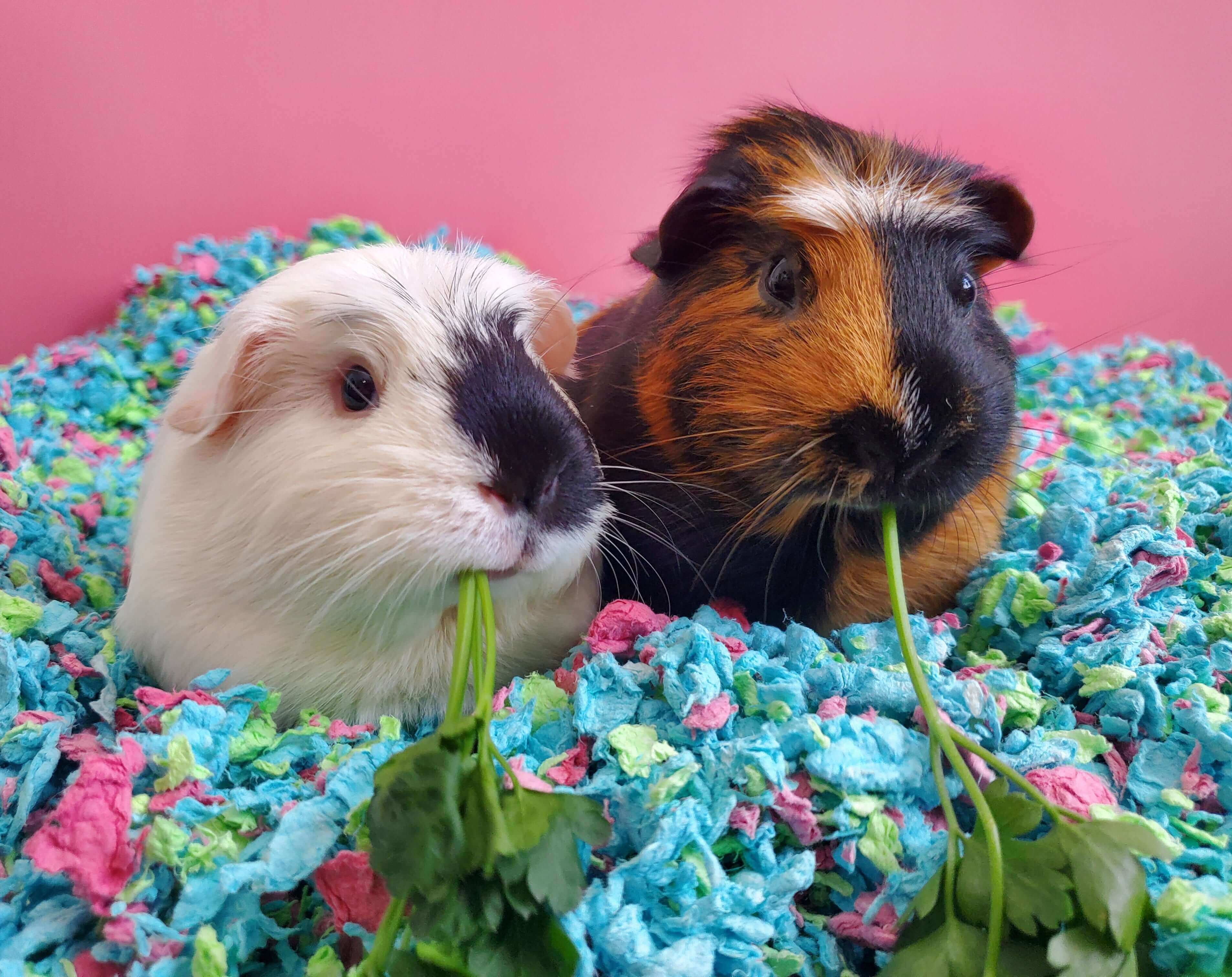
The Biological Mystery: Why Some Pets Can’t Make Vitamin C
To understand the importance of Vitamin C (ascorbic acid), we must first look at the unique evolutionary history of the guinea pig, or Cavia porcellus. Unlike most mammals, guinea pigs, humans, and some primates share a genetic trait known as a defective GLO gene. This gene is responsible for producing the enzyme L-gulonolactone oxidase, which is necessary to synthesize Vitamin C from glucose in the liver. Because guinea pigs lack this enzyme, they are classified as obligate consumers of Vitamin C. If it is not in their diet every single day, their body cannot function.
Vitamin C is the primary building block for collagen, the protein that holds together skin, joints, and blood vessels. In 2024, veterinary data suggests that approximately 15% of guinea pigs presented to exotic clinics show subclinical signs of Vitamin C deficiency, often manifesting as minor lameness or poor coat quality that owners might mistake for simple aging. Without adequate intake, the body literally begins to fall apart at a cellular level, leading to the dreaded condition known as scurvy.
Signs of Deficiency and the Threat of Scurvy
The progression of scurvy is painful and, if left untreated, fatal. Owners should keep a vigilant eye for the following symptoms:
- Lethargy and Reluctance to Move: Due to joint pain and internal swelling.
- Hopping Gait: Often referred to as “bunny hopping” because the hind legs are too sore to walk normally.
- Dental Problems: Loose teeth or bleeding gums, making it impossible for the pet to eat hay.
- Poor Coat Condition: Rough, dull fur and slow-healing skin wounds.
- Weakened Immune Response: Frequent respiratory infections that seem to linger.
Optimizing the Diet: Fresh Vegetables vs. Supplements
In a perfect world, all Vitamin C would come from a diverse and fresh diet. Red and green bell peppers remain the gold standard for daily feeding because they are high in Vitamin C but relatively low in calcium (reducing the risk of bladder stones). However, 2024 nutritional guidelines emphasize variety. Including rosehips, parsley, kale, and dandelion greens provides a spectrum of phytonutrients that aid in the absorption of the vitamin.
While the average healthy guinea pig requires between 10mg and 30mg of Vitamin C per kilogram of body weight daily, this requirement skyrockets during periods of stress. For a pregnant sow or a pet recovering from surgery, a veterinarian may recommend up to 50mg or 100mg per day. In these cases, relying solely on vegetables can be difficult, as the pet may have a decreased appetite. This is where liquid supplementation becomes a lifesaver.
The Myth of Water Drops and Processed Treats
One of the most persistent issues in the small pet industry is the marketing of water-soluble Vitamin C drops. Experts across the globe are increasingly vocal about why these products should be avoided. First, Vitamin C is highly unstable; when exposed to light and water, it begins to oxidize almost immediately. A study on pet supplement stability found that Vitamin C in a transparent water bottle can lose up to 50% of its potency within just 8 to 12 hours.
Furthermore, these drops often contain artificial flavorings or sweeteners. If a sensitive guinea pig or chinchilla dislikes the altered taste of their water, they may stop drinking entirely, leading to acute dehydration—a much more immediate threat than a vitamin deficiency. Similarly, Vitamin C “cookies” or baked treats are often unreliable. The high heat used in the commercial baking process destroys the delicate ascorbic acid molecules, and clear plastic packaging allows light to degrade whatever nutrients remain. For a guaranteed dose, always use a needleless syringe to administer professional-grade liquid Vitamin C directly into the pet’s mouth.
Requirements for Chinchillas, Rabbits, and Omnivores
While guinea pigs are the most famous for their Vitamin C needs, they aren’t the only ones who benefit. Chinchillas require Vitamin C primarily to maintain the integrity of their periodontal ligaments. Strong teeth are essential for chinchillas, who must chew high-fiber hay for hours to wear down their continuously growing teeth. A lack of Vitamin C can lead to tooth elongation and painful abscesses.
Rabbits present a more complex case. Unlike guinea pigs, rabbits can synthesize their own Vitamin C in the liver. However, recent veterinary discussions have explored the use of Vitamin C as an antioxidant during times of extreme stress or illness. Some experts argue that supplemental Vitamin C might contribute to the formation of calcium oxalate stones in rabbits if used excessively. Therefore, always consult an exotic animal veterinarian before adding supplements to a rabbit’s regimen.
For omnivores like rats, hamsters, and ferrets, Vitamin C is not a daily requirement, but it acts as a powerful immune booster. In a 2023 case study involving a colony of rescue rats with chronic respiratory disease, those supplemented with a small, controlled dose of Vitamin C showed a 20% faster recovery rate when combined with traditional antibiotics compared to the control group. It helps reduce oxidative stress, allowing the animal’s natural defenses to work more efficiently.
Expert Review and Final Verdict
The consensus among 2024 exotic pet specialists is clear: consistency is king. You cannot “load up” on Vitamin C once a week and expect it to last, as it is a water-soluble vitamin that is excreted through urine if not used by the body immediately. The best approach is a triad of care: high-quality stabilized pellets (marked with a mill date), a daily rotation of Vitamin C-rich fresh vegetables, and direct oral supplementation for pets that are elderly, ill, or growing.
Avoid the gimmicks found in big-box pet stores and focus on whole-food sources and clinical-grade liquids. Your pet’s dental health, mobility, and lifespan depend on the choices you make at the feeding bowl every morning.
Frequently Asked Questions (FAQ)
Can I give my guinea pig human Vitamin C tablets?
While some owners use human-grade Vitamin C, it is difficult to dose correctly, and many tablets contain fillers, sugars, or flavorings (like xylitol) that can be toxic to small animals. It is always safer to use a product specifically formulated for exotic pets.
Can a pet have too much Vitamin C?
Because it is water-soluble, excess Vitamin C is usually excreted. However, extremely high doses over a long period can potentially lead to kidney or bladder stones, particularly in rabbits and guinea pigs. Stick to the 10-30mg/kg guideline unless a vet says otherwise.
Why does my guinea pig’s food say it has Vitamin C, but I still need to supplement?
Even if a pellet mix is fortified with Vitamin C, the vitamin begins to degrade the moment the bag is opened. Most pellets lose their vitamin potency within 90 days of the manufacture date, not the purchase date.
What are the best vegetables for Vitamin C?
Red bell peppers are excellent. Other great options include yellow peppers, broccoli (in moderation due to gas), and dark leafy greens like kale or parsley (in moderation due to calcium levels).
My pet is acting lethargic; should I just give more Vitamin C?
Lethargy can be a sign of many serious illnesses. While Vitamin C helps, you should never use it as a substitute for a veterinary exam. If your pet is not moving or eating, it is a medical emergency.
Conclusion
Maintaining the delicate nutritional balance of a small pet is one of the most rewarding aspects of being a dedicated owner. By understanding the science behind Vitamin C metabolism and rejecting ineffective marketing ploys, you provide your furry friend with a foundation of health that will carry them through many happy years. Remember, a crisp slice of bell pepper is more than a treat—it’s a vital tool for a long, scurvy-free life. Always stay in touch with your exotic vet to tailor a nutrition plan that meets the specific needs of your unique pet.


