Guinea pigs, or “cavies” as they are scientifically known, are far more than just small, squeaking rodents found in pet stores. These charming creatures possess a history that stretches back millennia, woven into the fabric of ancient South American civilizations and later becoming the darlings of European royalty. Despite their name, they are neither from the West African nation of Guinea nor are they related to swine. Instead, they are members of the Caviidae family, originating from the high altitudes of the Andes Mountains. Today, guinea pigs are among the most popular small pets globally, cherished for their vocal personalities and social nature. However, understanding their complex history and specific social requirements is essential for any prospective owner. From their domestication nearly 4,000 years ago to modern-day animal welfare laws in Europe, the journey of the guinea pig is a testament to the enduring bond between humans and animals. These animals are surprisingly communicative, forming deep emotional bonds with their owners and even deeper bonds with their own kind.
Ancient Roots and the Journey to Europe
The timeline of the guinea pig, or Cavia porcellus, is truly staggering. Archaeological evidence suggests that humans in the Andean region of South America—modern-day Peru, Bolivia, and Ecuador—had interactions with these animals as far back as 9,000 BCE. While they initially lived in the wild, the first signs of intentional domestication appear around 2,000 BCE. For the indigenous peoples of the Andes, guinea pigs were not just pets; they played vital roles in medicine, religious ceremonies, and as a sustainable food source. Ancient ceramic art from the Moche people often depicted these animals, showing their cultural significance. By the time the Inca Empire rose to power, guinea pigs were a staple of domestic life, often kept inside homes where they could scavenge for scraps and provide warmth. It wasn’t until the early 1500s that Spanish conquistadors encountered these “little pigs” and began transporting them back to Europe across the Atlantic, where they transitioned from a mountain-dwelling species to an exotic luxury for the elite.
The Mystery of the Name
One of the most persistent questions among pet enthusiasts is: Why are they called guinea pigs? There are several competing theories, though none have been definitively proven. The “guinea” portion of their name may stem from the English gold coin of the same name, suggesting they were once sold for one guinea. However, historical records show the term being used in the 1500s, before the coin was even minted in the 1660s. Another theory suggests “guinea” was a corruption of “Guiana,” a region in South America, or perhaps a reference to the ships that stopped in West Africa (Guinea) on their way to Europe from the Americas. As for the “pig” moniker, this likely refers to their physical stature—stout bodies and large heads—and the distinct grunting and squealing sounds they make, which bear a striking resemblance to their larger porcine namesakes. In many parts of the world today, the more accurate term “cavy” is preferred, derived directly from their Latin classification.
Royalty, Fame, and the Popularity Surge
Upon their arrival in Europe, guinea pigs quickly transitioned from exotic curiosities to high-status pets. Queen Elizabeth I is frequently cited as one of the earliest high-profile fans of the species in the late 1500s, helping to solidify their status among the British aristocracy. This royal endorsement sparked a trend that lasted centuries. The first accepted depiction of a guinea pig in European art dates back to 1580, appearing in a portrait of three Elizabethan children. By the 1800s, they had crossed the pond to North America, becoming a household staple for families of all backgrounds. Their popularity has only grown over the decades, aided by appearances in popular culture and the lives of famous figures. For instance, a vintage photograph from 1972 famously depicts a young Princess Diana with her beloved guinea pig, Peanut. Even rock icons weren’t immune to their charm; Deborah Harry, the lead singer of Blondie, was known to keep a Peruvian guinea pig, showcasing the animal’s appeal across diverse social circles. In a more official capacity, a guinea pig named Elliot was even “deputized” as a police constable in New Zealand to promote road safety in school zones, proving that these animals can capture the public’s imagination in extraordinary ways.
The Vital Importance of Social Interaction
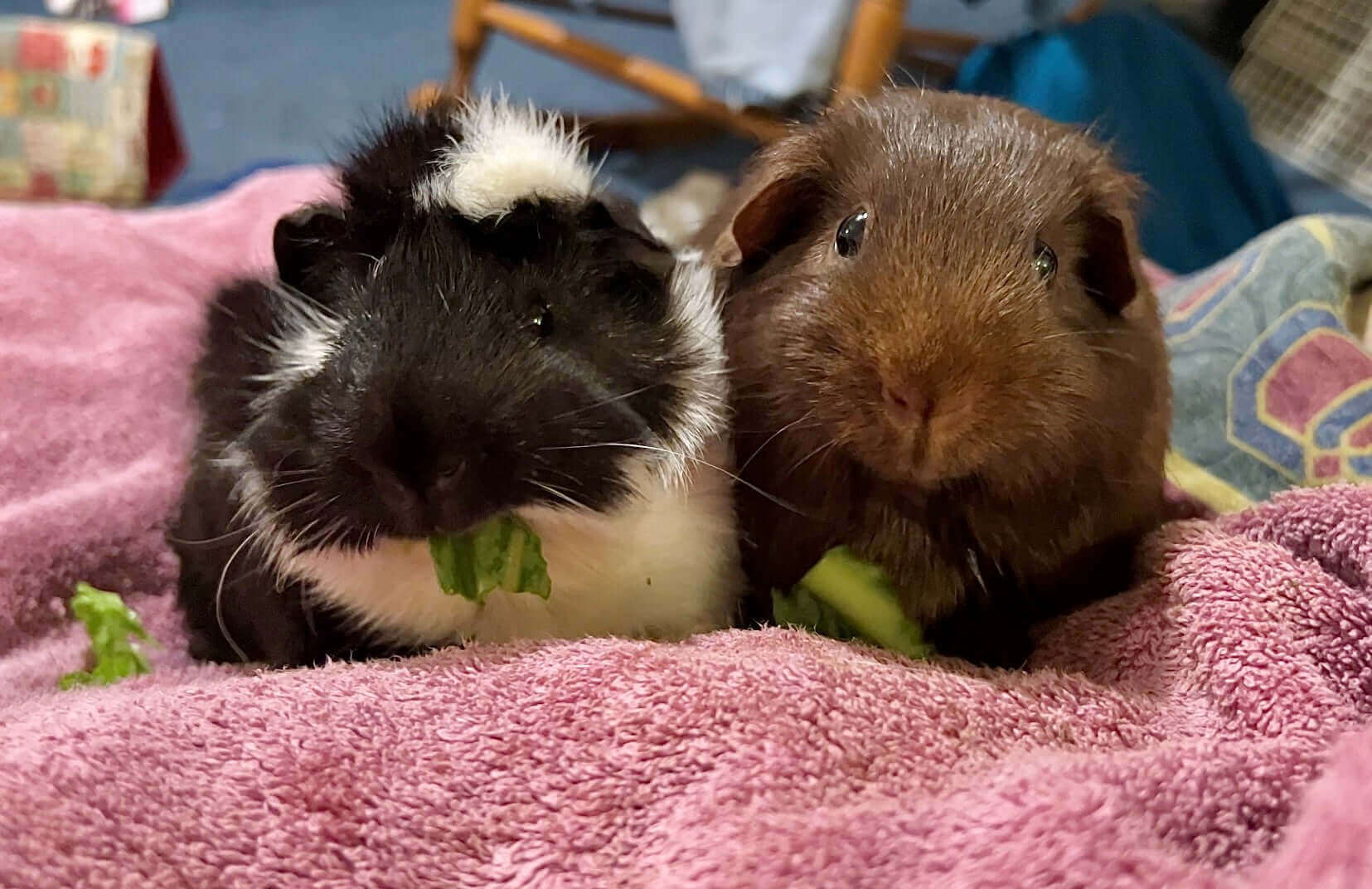
Perhaps the most critical piece of information for any guinea pig owner is that these animals are obligate social creatures. In the wild, they live in large herds for protection and social stimulation, and this instinct remains deeply ingrained in domesticated cavies. Isolation can lead to significant psychological distress, lethargy, and even physical illness. This biological need is so well-recognized that in 2008, Sweden passed a landmark law making it illegal to keep a guinea pig in solitary confinement. The law mandates that social creatures must be provided with adequate contact with members of their own species. For a prospective owner, this means that adopting a single guinea pig is rarely the right choice; instead, they should almost always be kept in pairs or small groups. Research into rodent psychology indicates that guinea pigs who live in pairs exhibit lower cortisol levels and engage in more natural behaviors like mutual grooming and communal sleeping.
Addressing the Myth of Male Aggression
A common misconception in the pet world is that two male guinea pigs (boars) cannot live together without fighting. While it is true that males require careful introduction and sufficient space, they are perfectly capable of forming deep, lasting bonds. Data from rescue organizations suggests that boar pairs are often just as successful as female pairs (sows), provided there is no female nearby to trigger territorial competition. For many owners, keeping a pair of “bachelor” boars is a rewarding experience, as they often exhibit bold and outgoing personalities. It is essential, however, to provide a large enough cage—often called a C&C cage—to ensure they have enough room to have “me time” when needed.
The Ethics of Adoption: Why Rescues Rule
When the time comes to bring a guinea pig home, the choice between a pet store and a dedicated rescue organization is a significant one. While pet stores offer convenience, rescues provide a wealth of benefits that ensure a healthier, happier life for the animal. Guinea pig rescues focus exclusively on the welfare of the species, often taking in abandoned or neglected animals and rehabilitating them before finding a forever home. According to recent trends in 2024, more pet owners are shifting toward “Adopt, Don’t Shop” models as awareness of small-animal mills grows. Rescues typically conduct thorough health screenings, treat existing conditions, and ensure that all animals are at a healthy weight before adoption. Furthermore, many rescues spay or neuter their animals, which prevents accidental litters—one of the primary reasons guinea pigs end up in shelters in the first place.
The Benefit of Pre-Bonded Pairs
One of the hardest parts of guinea pig ownership is “bonding”—the process of introducing two strangers to see if they can live together peacefully. Rescues take the guesswork out of this process. They often house guinea pigs in established pairs that have already navigated the hierarchy of dominance. If you already own a solitary guinea pig and are looking for a companion, many rescues offer “piggy dates.” This allows your pet to meet potential partners in a controlled environment to see who they click with, drastically reducing the risk of a failed introduction at home. Rescues also offer a lifetime of support, providing expert advice on everything from vitamin C requirements to finding a specialized exotic veterinarian.
Expert Verdict: Are Guinea Pigs Right for You?
In our expert review, we conclude that guinea pigs are exceptional pets for those willing to commit to their specific needs. They offer a unique middle ground between the independence of a hamster and the high-maintenance nature of a dog. However, they are not “starter pets” for children to handle without supervision. They require a large living space—far larger than what is sold in most pet stores—high-quality hay as 80% of their diet, and consistent social interaction. If you have the space for a 10-square-foot enclosure and the heart to adopt a pair from a rescue, you will be rewarded with years of “wheeks,” “popcorning,” and genuine companionship. Their long lifespan compared to other small rodents makes them a more substantial commitment, but also a more rewarding one.
Frequently Asked Questions
- How long do guinea pigs live? On average, a well-cared-for guinea pig lives between 5 and 8 years, though some have been known to reach 10 years.
- What is ‘popcorning’? This is a unique behavior where a guinea pig jumps straight into the air and twists, often accompanied by squealing. It is a sign of extreme happiness and excitement.
- Do they really need Vitamin C? Yes! Like humans, guinea pigs cannot produce their own Vitamin C. They must get it through their diet via fresh bell peppers or high-quality pellets to prevent scurvy.
- How much space do they need? For a pair of guinea pigs, a minimum of 7.5 to 10 square feet of flat floor space is recommended. Vertical space is less important than horizontal running room.
- Are they noisy? They are very vocal! They communicate through a series of whistles (wheeking), purrs, and chirps. You will quickly learn which sound means “I want a snack” versus “I am content.”
- Is it illegal to have just one? In some countries, like Sweden and Switzerland, it is legally mandated to keep them in pairs because they are classified as social animals.
Conclusion
From their ancient origins in the Andes to their status as beloved companions in modern homes, guinea pigs have traveled a long and fascinating road. Their history is marked by mystery and royal favor, but their future depends on responsible ownership. By choosing to adopt from a rescue, respecting their social nature, and providing proper care, you aren’t just getting a pet—you’re becoming part of a 10,000-year-old legacy of human-animal friendship. Whether it’s the regal Peruvian or the smooth-coated American, these “cavies” have a way of squeaking their way into our hearts and staying there forever. Adopting a bonded pair from a rescue is the single best way to start your journey with these incredible animals.


