As a lifelong lover of exotic animals—from the tiny, rhythmic twitch of a hamster’s nose to the majestic, calculated gaze of a bearded dragon—I know that our pets aren’t just animals; they are family. We spend hours researching the perfect diet, the most enriching toys, and the ideal habitat temperatures. Yet, there is one silent threat that many of us overlook until it is too late: fire. Every year, nearly half a million pets are affected by home fires. Even more heartbreaking is the fact that approximately 40,000 animals lose their lives in these incidents annually. These numbers aren’t just statistics; they represent beloved companions that could have been saved with the right preparation.
In my years within the exotic pet community, I’ve seen how quickly a small oversight can turn into a catastrophe. Whether it’s a heat lamp tipping over or a curious bunny nibbling on a power cord, our unique pets face specific risks that traditional pet owners might not consider. Dr. Kyle Johnson, a clinical assistant professor and Veterinary Emergency Team member, emphasizes that fire safety is a two-way street: we must protect our homes from our pets, and our pets from our homes. This guide is designed to walk you through the nuances of fire prevention, emergency evacuation, and the critical steps to take if the unthinkable happens.
Understanding the Risks: How Pets Accidentally Start Fires
It sounds like a freak accident, but according to the National Fire Protection Association, pets and wildlife are responsible for roughly 750 home fires every year. For those of us with small, active animals, the risks are often hidden in plain sight. A harmless swat of a paw, a flick of a powerful tail, or a misplaced chew toy can ignite a flame in seconds. Small mammals, in particular, are notorious for their chewing habits. If a rabbit or a guinea pig manages to get behind a desk and gnaw on a lamp cord, the resulting electrical short can easily start a residential fire.
One of the most effective ways to mitigate this is by creating a pet-friendly home that prioritizes safety over aesthetics. This means using cord protectors, ensuring enclosures are escape-proof, and never leaving pets unattended in rooms where fire hazards are present. Stovetops remain the leading source of pet-related fires. Curious cats or even large birds might accidentally turn a knob while exploring a counter. If you have an animal that can reach the stove, consider removing the knobs or using safety covers when you aren’t cooking.
The Danger of Heating Equipment and Electric Blankets
For exotic pet owners, heat management is often a matter of life and death. Reptiles, amphibians, and many tropical birds require supplemental heat to thrive. However, space heaters, heat lamps, and wood-burning stoves are major fire triggers, especially during the colder months. A heat lamp that isn’t properly secured can be knocked over by a sudden movement within the enclosure, landing on flammable substrate or carpet.
Dr. Johnson also warns against the use of electric blankets for our pets. While they seem like a cozy solution for a senior dog or a chilly ferret, they are incredibly dangerous. Not only can a pet chew through the internal wiring, leading to a fire, but they can also cause severe thermal burns. This is especially true for pets with limited mobility who cannot move away if the blanket becomes too hot. Instead of electric blankets, focus on high-quality, safe bedding choices that provide natural insulation without the need for an electrical current.
Creating an Airtight Evacuation Plan
When a fire breaks out, seconds count. You will not have time to search for a hidden hamster or struggle with a complicated cage latch. Preparation happens long before the smoke appears. I always recommend keeping travel carriers and leashes right by the primary exit of your home. If you have multiple small pets, ensure each one has a dedicated, labeled carrier that is easy to grab in the dark.
Proper identification is your pet’s ticket back home. While we often think of microchips for dogs and cats, many exotic veterinarians now offer microchipping for larger birds, rabbits, and even some reptiles. Ensure your contact information is up to date in the national registry. If a microchip isn’t feasible, ensure their carriers have permanent identification tags attached. This is crucial because, in the chaos of an evacuation, pets can easily become separated from their owners.
Working with First Responders
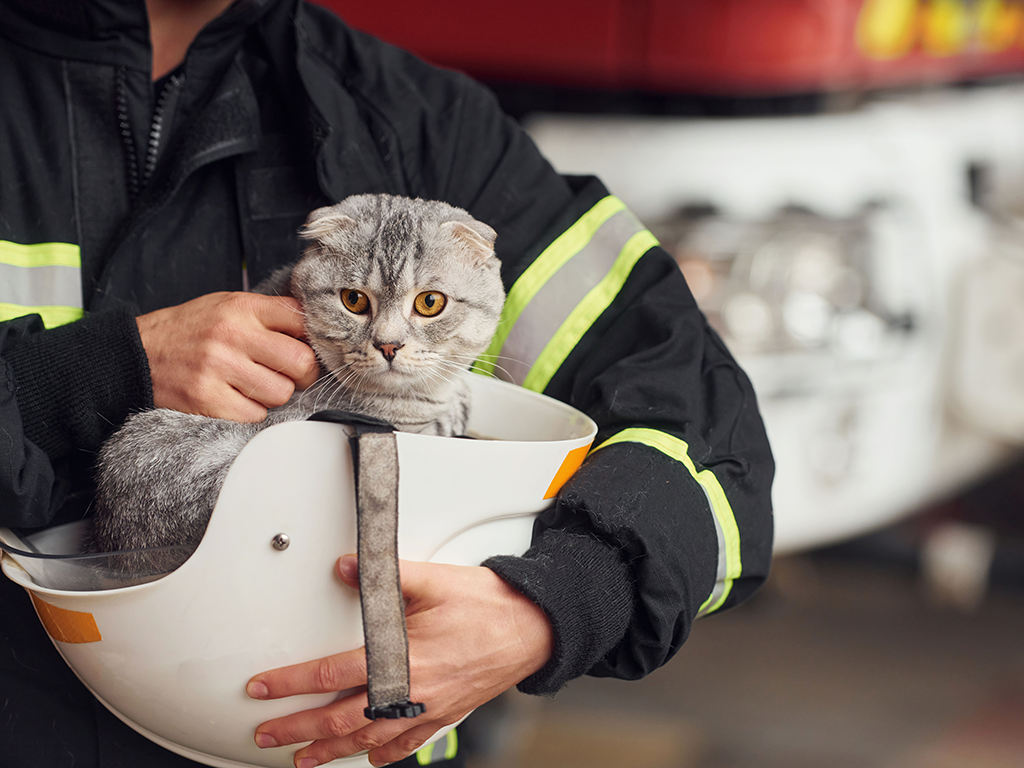
If you are away when a fire starts, or if the fire spreads too quickly for you to reach your animals, you must rely on professionals. One of the most important things you can do is place a pet rescue alert decal on your front door or a visible window. These stickers should list the types and number of animals inside (e.g., “2 Birds, 1 Rabbit, 1 Snake”). This gives firefighters a roadmap for rescue efforts.
Dr. Johnson offers a sobering but vital piece of advice: Never go back inside a burning building. It is an agonizing thought to leave a pet behind, but many tragedies involve owners who perished trying to rescue their animals. Instead, stay outside and immediately inform the first responders on the scene. Tell them exactly where the enclosures are located. If you keep your pets in a safe free-roam environment, make sure that area is clearly communicated to the rescue team. Firefighters have specialized equipment and training to enter dangerous environments that a civilian does not.
The Silent Killer: Smoke Inhalation in Small Animals
Even if your pet is successfully rescued and appears physically unharmed, they are not out of danger. In fact, smoke inhalation is the leading cause of death for animals in house fires. Small animals, and birds in particular, have incredibly sensitive respiratory systems. Birds possess a highly efficient lung and air sac system that makes them uniquely susceptible to airborne toxins and particulates.
The effects of smoke inhalation are often delayed. You might see your pet acting normally for several hours, only for their condition to plummet 12 to 24 hours later. Symptoms to watch for include:
- Labored breathing or gasping (open-mouth breathing in reptiles or birds)
- Coughing or wheezing
- Discharge from the nose or eyes
- Lethargy and loss of appetite
- Sooty discharge or a smoky smell on the fur, feathers, or scales
People Also Ask: Common Fire Safety Questions
How do I evacuate a large collection of exotic pets quickly?
For those with “multi-pet” households, speed is found in organization. Use “stackable” travel bins for reptiles and small mammals. Keep a “Go-Bag” near the exit that contains a three-day supply of food, bottled water, and any necessary medications. Practice your “grab and go” routine so you know exactly which order to move the enclosures.
Are smoke detectors enough to protect my pets?
Standard smoke detectors only work if someone is there to hear them. For exotic pet owners, I highly recommend monitored smoke detection systems. These systems alert a central monitoring station (and your smartphone) the moment smoke is detected, allowing the fire department to be dispatched even if you aren’t home.
Can I use a fire extinguisher around my birds?
Use caution. Many traditional fire extinguishers use dry chemicals that are highly irritating to the lungs. If you must use one, try to move your birds to a different room immediately after the fire is out and ventilate the area thoroughly. Look for “clean agent” extinguishers if possible, as they leave less toxic residue.
Expert Verdict and Actionable Steps
Fire safety isn’t about living in fear; it’s about being empowered through preparation. We owe it to our exotic companions to be their advocates in an emergency. By securing heat sources, organizing evacuation gear, and understanding the medical signs of smoke inhalation, you significantly increase the chances of a happy ending during a tragic event.
Key Takeaways for Your Home:
- Install and Test: Ensure you have smoke and carbon monoxide detectors on every level of your home, especially near pet rooms.
- Secure the Area: Use cord covers and stove knob guards to prevent pets from starting fires.
- Prepare the Kit: Keep carriers, leashes, and 72 hours of supplies in an easy-to-reach location.
- Visual Alerts: Place pet rescue decals on your windows and doors.
- Seek Help: Always have a vet check your pet after any smoke exposure, even if they seem fine.
Our pets rely on us for everything—their food, their habitat, and their safety. Taking one hour today to set up a fire safety plan could save their lives tomorrow. Stay safe, stay prepared, and keep those tails, scales, and feathers protected.


