For decades, the standard for small pet ownership was defined by the four walls of a wire cage. However, as we move through 2024, a significant paradigm shift is taking place in the world of animal welfare. Today’s pet owners are increasingly embracing the concept of “free-roaming,” a practice that grants rabbits, guinea pigs, and even hamsters the liberty to explore living spaces beyond the traditional hutch. This movement isn’t just a trend; it is backed by veterinary science suggesting that increased mobility significantly reduces stress-related behaviors and common health issues like obesity and gastrointestinal stasis. By transforming a room or an entire home into a pet-safe environment, you are not just giving your furry companion more space; you are inviting them to become a more integrated, active member of your family. Creating this environment requires a blend of meticulous planning, species-specific knowledge, and a commitment to ongoing supervision to ensure their safety and your peace of mind.
The Psychology and Benefits of Free-Roaming
To understand why free-roaming is becoming the gold standard, we must look at the natural behaviors of small mammals. In the wild, rabbits and guinea pigs are foragers that cover significant ground daily. When confined to small cages, these animals often develop “stereotypic behaviors,” such as repetitive bar-biting, over-grooming, or extreme lethargy. Recent 2024 animal welfare studies have shown that rabbits allowed to free-roam exhibit a 40% increase in “binkies”—the joyful mid-air twists that signal high levels of happiness and well-being.
Furthermore, the physical benefits are undeniable. Small pets are prone to pododermatitis (bumblefoot) when kept on hard cage floors or wire mesh. Free-roaming on soft rugs and varied textures promotes better circulation and muscle tone. For the owner, the reward is a pet that shows its true personality, becoming more affectionate and interactive as their environmental stress dissipates.
Phase 1: Comprehensive Pet-Proofing Strategies
Before you open the cage door, you must view your home from a height of four inches. Small pets are professional explorers and, unfortunately, professional chewers. Pet-proofing is the most critical step in ensuring a successful free-roam experience.
The Electrical Hazard: A Top Priority
For rabbits and guinea pigs, an electrical cord looks exactly like a delicious, crunchy root. According to pet insurance data from late 2023, electrical shocks remain a top domestic injury for house rabbits. To prevent this, all cords must be either lifted out of reach or encased in heavy-duty flexible plastic tubing (often sold as split loom tubing). Concealing wires behind furniture or using cord protector boxes is not just a suggestion; it is a life-saving necessity.
Botanical Safety: Toxic Plants to Avoid
The rise of “biophilic” interior design means more houseplants, many of which are toxic to small mammals. Common favorites like Pothos, Lilies, Philodendrons, and Aloe Vera can cause severe gastrointestinal distress or organ failure if nibbled. Ensure your greenery is either placed on high shelving or replaced with pet-safe alternatives like spider plants or organic wheatgrass patches.
Mind the Gaps: Small Space Security
Hamsters and guinea pigs can squeeze through gaps that seem impossibly small. Check for openings behind appliances, under baseboards, or near radiator pipes. A good rule of thumb: if their head can fit, their body usually can too. Use hardware cloth or solid wood blocking to seal these potential “escape tunnels.”
Phase 2: Species-Specific Environment Design
Every small pet has different requirements for their free-roam setup. A layout that works for a 5-pound Holland Lop rabbit will not necessarily suit a 2-pound guinea pig or a tiny Syrian hamster.
Free-Roaming Rabbits: The Litter Training Key
Rabbits are surprisingly easy to litter train because they naturally prefer to do their business in one corner while they eat. To facilitate free-roaming, place several high-sided litter boxes in the corners of their roam area. Fill them with paper-based bedding and top with a generous handful of Timothy hay. This encourages them to stay in the box and keeps your floors clean. Expert Tip: Use large, low-entry boxes for senior rabbits who may have arthritis.
Guinea Pigs: The “Floor Time” Specialists
Unlike rabbits, guinea pigs aren’t natural jumpers. Their free-roaming space, often called “floor time,” should focus on horizontal exploration. Since they are prey animals, they require a “pathway of safety.” Arrange tunnels and hidey-holes every few feet so they never feel exposed in a wide-open space. Use fleece liners or washable rugs to protect your floors and provide the traction their sensitive feet need.
Hamsters: Supervised Enclosures
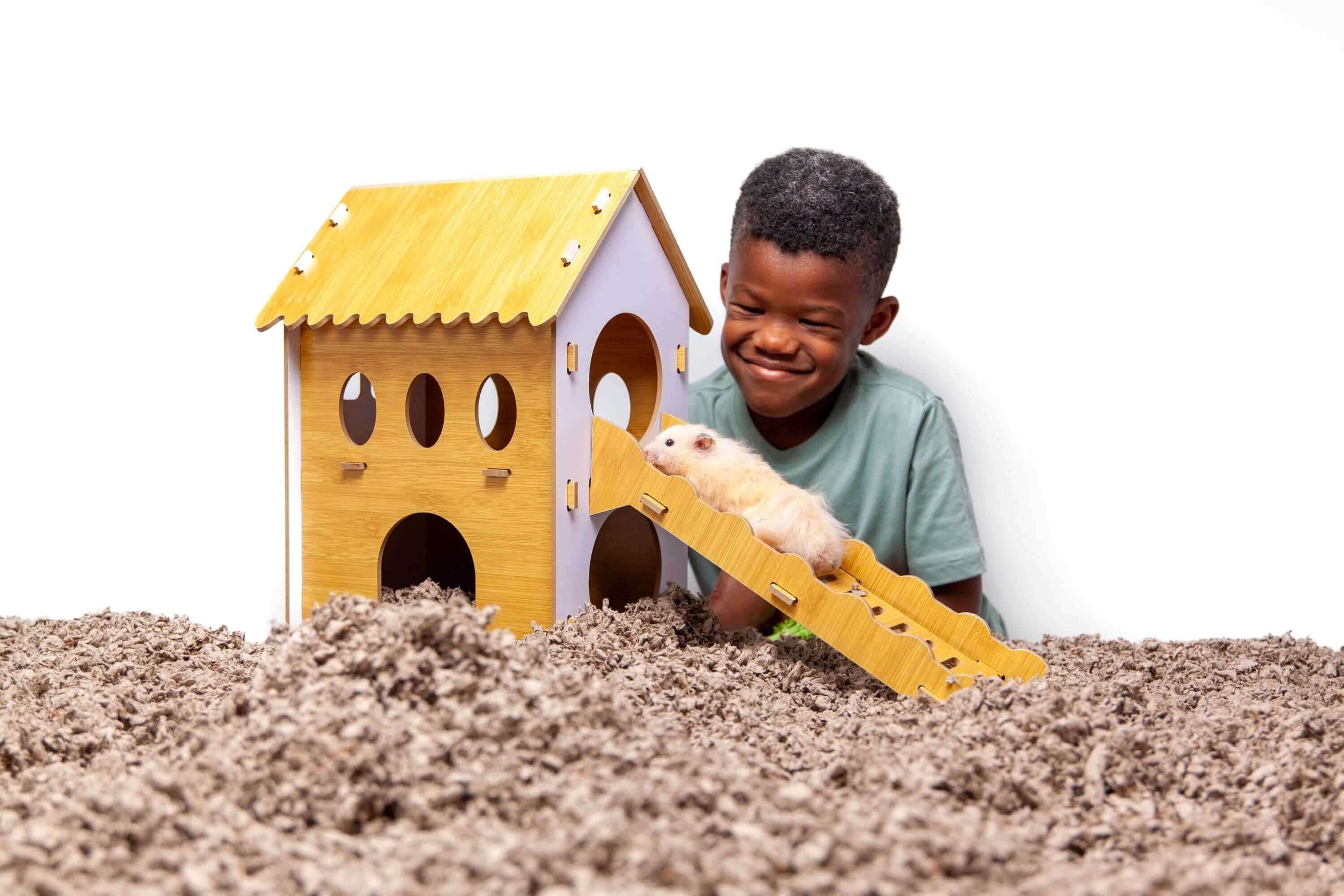
Due to their size and propensity for vanishing into walls, hamsters are rarely “full-time” free-roamers. Instead, create a “mega-playpen” environment. Use clear acrylic panels at least 18 inches high to prevent climbing. Fill this area with deep substrate for burrowing and various textures like sand baths and cork logs to provide mental stimulation during their active nighttime hours.
Case Study: The “Bunny Room” Success Story
In a 2023 case study involving a rescued Flemish Giant rabbit named Barnaby, the owner transitioned from a traditional 4×4 pen to a full-room free-roam setup. Initially, Barnaby exhibited destructive chewing on baseboards. The owner implemented “strategic distraction,” placing cardboard castle fortresses over the preferred chewing spots and offering apple wood sticks. Within three weeks, Barnaby’s destructive behavior ceased, and his activity levels doubled. This case highlights that behavior issues are often just a lack of appropriate outlets for natural instincts.
The Expert Verdict: Is Free-Roaming Right for You?
Veterinary experts and animal behaviorists generally agree that free-roaming significantly improves the lifespan and happiness of small pets. However, the “verdict” comes with a caveat: it is not a hands-off approach. A free-roam pet requires more daily interaction and more frequent cleaning than a caged one. If you are willing to invest the time in pet-proofing and training, the result is a much deeper bond. A rabbit that follows you into the kitchen or a guinea pig that wheeks at your feet when you sit on the sofa offers a level of companionship that a caged animal simply cannot provide.
Frequently Asked Questions (FAQ)
- Will a free-roaming pet ruin my floors? If you have hardwood or laminate, use area rugs or interlocking foam mats. For rabbits, litter training is highly effective at preventing accidents. For guinea pigs, use waterproof fleece liners in their favorite hangouts.
- How do I stop them from chewing baseboards? Protect baseboards with plastic guards or clear packing tape (which they find unappealing). Most importantly, provide plenty of safe chewing alternatives like willow balls and seagrass mats.
- Can free-roam pets live with cats or dogs? This depends entirely on the temperament of your other pets. Always use a “double barrier” system initially and never leave small pets alone with predatory animals, even if they seem friendly.
- Is it safe to leave them free-roaming while I am at work? Many owners start with “supervised free-roam” and transition to “full-time” once the pet has proven they won’t get into trouble. If you are unsure, a large, secure x-pen can be used while you are away.
- Do hamsters really need free-roam time? While not strictly necessary if their cage is over 800 square inches, playpen time provides essential mental enrichment and prevents boredom.
Conclusion: A New Chapter in Pet Care
Creating a safe, free-roam environment is one of the most rewarding projects a small pet owner can undertake. It transforms the pet-keeping experience from one of confinement to one of shared living. By addressing hazards like electrical cords and toxic plants, and by providing species-specific enrichment like tunnels and litter boxes, you create a space where your pet can truly flourish. As we look toward the future of pet care in 2024 and beyond, the move toward freedom and autonomy for our smallest companions is a clear indicator of our growing respect for their intelligence and emotional depth. Your pet doesn’t just live in your house anymore—they finally have a home.


