Guinea pigs, scientifically known as Cavia porcellus or more affectionately as cavies, have transitioned from their rugged origins in the Andes Mountains to becoming one of the most beloved domestic companions in the world. These small, gentle creatures offer far more than the typical ‘pocket pet’ experience; they are sentient, social, and communicative beings that bring a unique vibrancy to any household. With their endearing ‘wheeks’ and expressive personalities, guinea pigs have carved out a significant niche in the pet industry, particularly as families seek pets that offer deep emotional bonds without the spatial demands of a large dog. In this comprehensive guide, we celebrate the delightful world of these charismatic rodents and explore the modern standards of care that ensure they live a full, happy life of five to seven years. Whether you are a prospective owner or a long-time enthusiast, understanding the evolution of cavy care is essential for fostering a thriving relationship with these ancient companions.
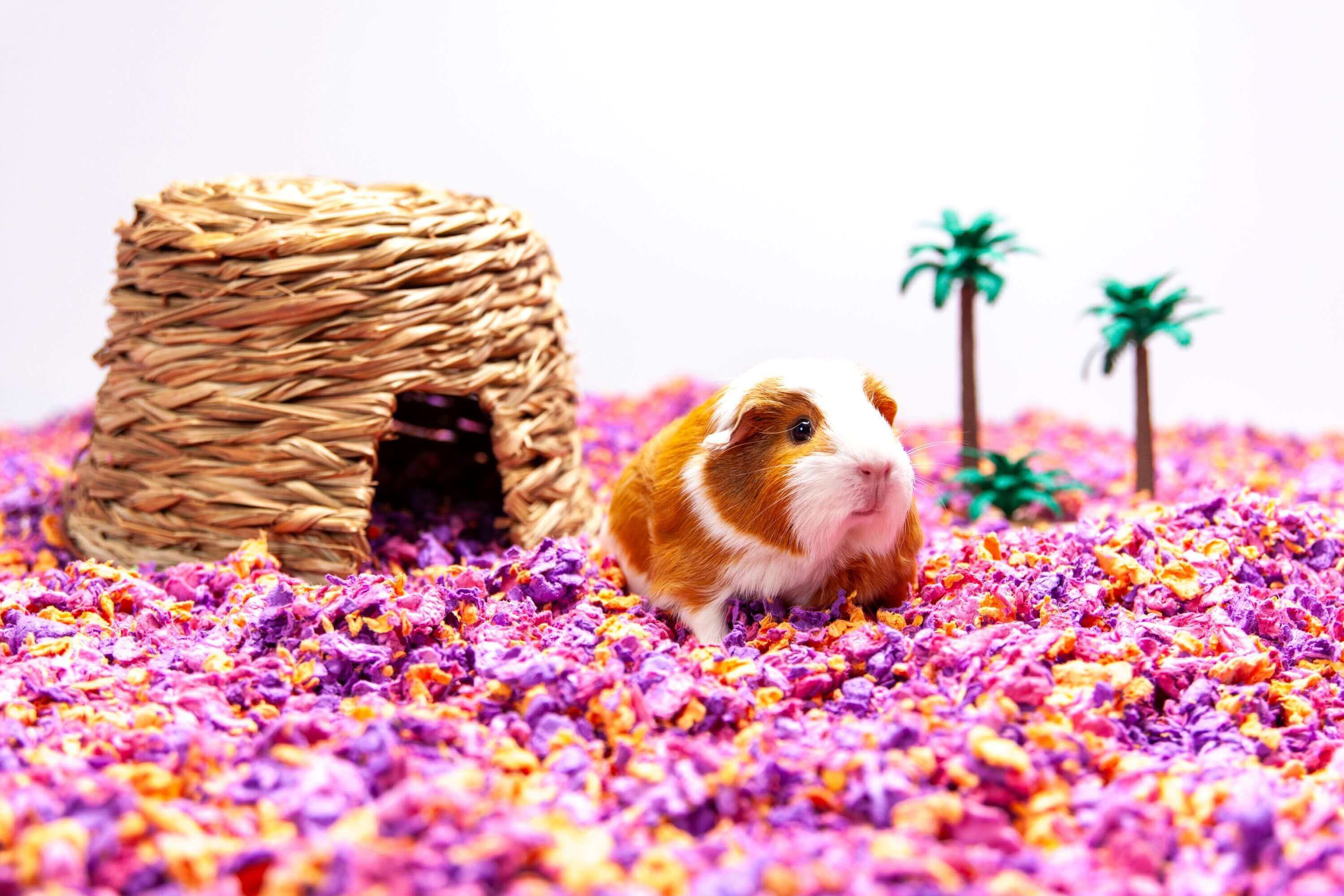
The history of the guinea pig is as rich as the landscapes of South America from which they hail. Originally domesticated by the indigenous tribes of the Andean region, including the Inca civilization, they were initially valued for their utility. However, their status shifted dramatically during the Age of Exploration. As Spanish, Dutch, and English traders brought these docile creatures back to Europe, they quickly became status symbols and cherished pets among the elite. By the 19th century, their popularity had spread across the globe, leading to the diverse range of breeds we see today. From the sleek, smooth-coated American Guinea Pig to the wild, rosette-covered Abyssinian and the luxurious, long-haired Peruvian, the genetic diversity of the species reflects centuries of human fascination and selective breeding. Today, they are no longer viewed as mere livestock but as integral family members deserving of specialized care and attention.
The Unique Traits and Social Life of Cavies
One of the most defining characteristics of guinea pigs is their diurnal nature. Unlike many other rodents that are nocturnal, cavies are most active during the day, aligning perfectly with human schedules. This makes them exceptional pets for children and working professionals who want to interact with their pets during daylight hours. Beyond their schedule, their vocalizations are a source of constant delight. A happy guinea pig will engage in ‘wheeking’—a high-pitched whistle usually reserved for mealtime—and ‘purring’ when they feel secure or content. Perhaps the most famous behavior is ‘popcorning,’ where a guinea pig jumps into the air and twists with pure excitement, a physical manifestation of joy that never fails to entertain.
Crucially, guinea pigs are obligate social animals. In the wild, they live in large herds, and this biological drive for companionship remains strong in domestic settings. As of 2024, many animal welfare organizations and even some European countries have established guidelines (and in some cases, laws) emphasizing that guinea pigs should never be kept alone. A bonded pair or a small group is essential for their mental health. Without a companion of their own kind, guinea pigs can become lethargic and depressed, regardless of how much human interaction they receive. This social depth allows owners to witness complex hierarchies and grooming rituals that add layers of interest to pet ownership.
Modern Housing Standards: Beyond the Pet Store Cage
For decades, the standard for guinea pig housing was a small, plastic-bottomed cage sold in generic pet stores. However, modern research into cavy behavior has revolutionized our approach to their environment. Expert consensus now dictates that a single guinea pig requires a minimum of 7.5 square feet of floor space, with 10.5 square feet being the preferred minimum for a pair. This has led to the rise of C&C cages (Cubes and Coroplast), which allow owners to build custom, expansive habitats. These enclosures provide the room necessary for guinea pigs to exercise, which is vital for preventing obesity and heart disease. When setting up a habitat, the choice of bedding is equally important. Using high-quality, absorbent options like carefresh paper bedding or specialized fleece liners helps manage moisture and prevents pododermatitis, a painful foot condition commonly known as bumblefoot.
The Nutrition Mandate: The Importance of Vitamin C
Perhaps the most critical aspect of guinea pig health is their diet. Unlike most mammals, guinea pigs cannot synthesize their own Vitamin C. This means they must obtain it entirely through their diet, much like humans. A deficiency leads rapidly to scurvy, which causes joint pain, internal bleeding, and a weakened immune system. In 2024, the nutritional standard for cavies remains a foundation of 80% high-quality grass hay, such as Timothy or Orchard grass. This hay serves two purposes: it provides the fiber necessary for digestive motility and acts as a natural whetstone to wear down their constantly growing teeth.
In addition to hay, a daily serving of fresh vegetables—specifically bell peppers, which are high in Vitamin C—and a small amount of fortified pellets should be provided. It is estimated by veterinary experts that a well-balanced diet can extend a guinea pig’s life by up to 30%, highlighting the power of preventative nutrition. Avoid ‘muesli’ style mixes that contain seeds or nuts, as these can be choking hazards and lead to selective eating habits that cause nutritional imbalances.
Expert Review: The Verdict on Guinea Pig Ownership
According to exotic animal veterinarians and seasoned rescuers, guinea pigs are ‘intermediate’ pets. While they do not require outdoor walks like dogs, their environmental and dietary needs are more complex than those of a hamster or gerbil. Expert Verdict: Guinea pigs are ideal for families with children aged 8 and up, as they require gentle handling and a consistent routine. They are also excellent for apartment dwellers who want a pet with a large personality but a manageable footprint. However, prospective owners must be prepared for the financial commitment of ‘exotic’ vet visits and the time required for cage cleaning and vegetable preparation. If you can provide a spacious home and a companion, the emotional return is unparalleled.
Frequently Asked Questions (FAQ)
Do guinea pigs bite?
Guinea pigs are remarkably docile and rarely bite. They are more likely to run away if they are scared. Nipping usually only occurs if they are in pain, feel extremely threatened, or mistake your finger for a vegetable.
How long do guinea pigs live?
With proper care, a balanced diet, and regular veterinary check-ups, domestic guinea pigs typically live between 5 and 7 years. Some have been known to reach 8 or 9 years in exceptional circumstances.
Can guinea pigs live with rabbits?
It is generally discouraged. Rabbits can carry Bordetella bronchiseptica, which is a respiratory pathogen that can be fatal to guinea pigs. Additionally, rabbits are much stronger and can accidentally injure a guinea pig with their powerful kicks.
Why is my guinea pig making a vibrating sound?
This is called ‘rumblestrutting.’ It is often a sign of dominance or a way of showing off to a companion. If the sound is shorter and occurs when you pet them, it may be a sign of slight annoyance or overstimulation.
Do they need to be groomed?
Yes. Short-haired breeds need occasional brushing, but long-haired breeds like the Silkie or Peruvian require daily brushing to prevent painful matting. All guinea pigs need their nails trimmed every 4-6 weeks.
Conclusion
Guinea pigs are much more than small rodents; they are delightful companions that offer a window into a world of social complexity and gentle affection. By embracing modern care standards—including spacious housing, a social environment, and a Vitamin C-rich diet—you can ensure that your cavies thrive. As we continue to celebrate these endearing pets, let us commit to being informed and compassionate caretakers. The bond shared with a guinea pig is a rewarding journey filled with ‘popcorns,’ ‘wheeks,’ and quiet moments of snuggly companionship. Join the global community of cavy lovers today and experience the joy these humble creatures bring into our hearts.


