Bringing a new puppy home is a whirlwind of joy, training sessions, and dreams of future adventures. For many pet parents, the ultimate goal is to hit the great outdoors with their four-legged companion. Hiking with your puppy isn’t just about exercise; it’s about bonding, mental stimulation, and introducing your young dog to the diverse wonders of nature. However, a puppy’s body and mind are still in a critical stage of development, meaning you can’t simply strap on a pack and head for a ten-mile trek. Preparation is the key to ensuring that their first experience on the trail is positive, safe, and builds a foundation for a lifetime of trekking. As we look into 2024, more owners than ever are taking the ‘Bark Ranger’ approach, prioritizing safety and sustainability in the wilderness.
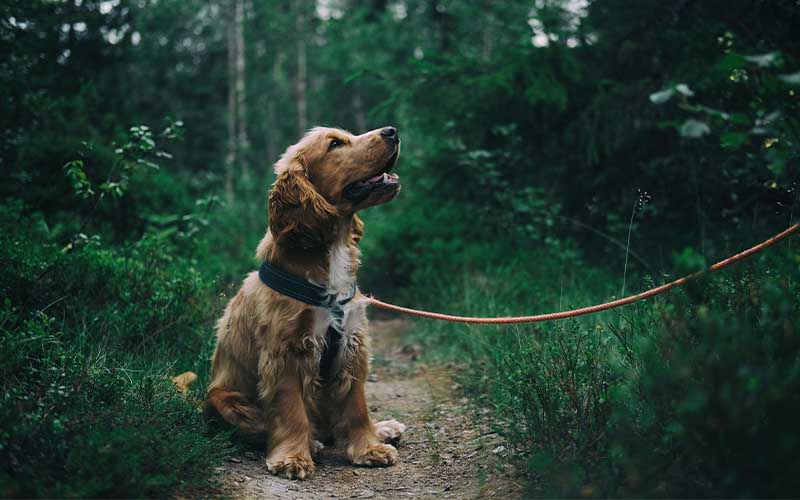
1. Timing is Everything: Age and Growth Plate Safety
One of the most common mistakes new owners make is taking a puppy on a strenuous hike too early. While your puppy might have bursts of ‘zoomies’ that make them seem tireless, their skeletal system is still incredibly fragile. Specifically, growth plates—the soft areas of developing cartilage at the ends of long bones—don’t typically close until a dog is between 12 to 18 months old, depending on the breed. Over-exercising a young puppy on rough, uneven terrain can lead to permanent joint damage or deformities.
Veterinary experts generally suggest waiting until a puppy is at least 6 months old for very easy, short walks on soft trails, and up to a year (or more for giant breeds) for significant elevation gains. A 2023 survey of veterinary orthopedists noted a rise in ‘over-exercise injuries’ among pandemic-era puppies, emphasizing the need for gradual conditioning. Stick to the ‘five-minute rule’: five minutes of exercise per month of age, twice a day, until they are fully grown.
2. The Health Checklist: Vaccinations and Parasites
Before the paws touch the dirt, your puppy must be fully protected. The wilderness is a breeding ground for bacteria and parasites that a young immune system may not be ready to fight. Ensure your puppy has completed their full series of DHPP (Distemper, Hepatitis, Parainfluenza, and Parvovirus) and Rabies vaccinations. Additionally, talk to your vet about the Leptospirosis vaccine, which protects against a bacteria often found in soil and water contaminated by wildlife urine.
Outdoor adventures also mean exposure to pests. Implementing a rigorous routine for tick and flea management in puppies is non-negotiable before heading into wooded areas. In 2024, tick-borne illnesses like Lyme disease are spreading into new geographic regions, making preventative medication and post-hike ‘tick checks’ more critical than ever.
3. Mastering the ‘Trail Manners’
A hike is a high-distraction environment. Between the scent of squirrels and the sight of other hikers, your puppy’s focus will be tested. Before heading out, your puppy should have a reliable ‘sit,’ ‘stay,’ and ‘leave it.’ Most importantly, a rock-solid recall (coming when called) is a literal lifesaver if they happen to slip out of their collar or if you encounter a predator.
If you live in a multi-dog household, the dynamics change on the trail. You might want to look into expert dog training to ensure your puppy doesn’t become overly reliant on an older dog or develop leash reactivity when meeting strangers. Socializing your puppy in low-stakes environments like local parks first will help them remain calm when they finally see a mountain biker or a pack of fellow hikers.
4. Rehearse with ‘Micro-Hikes’
Don’t let the first time your puppy sees a trail be the ‘big day.’ Start with ‘micro-hikes’ in your backyard or a local wooded park. This allows the puppy to experience different textures under their paws—such as gravel, sand, and leaves—without the exhaustion of a long trip. During these rehearsals, pay close attention to their body language. Are they panting excessively? Are they sitting down and refusing to move? These are signals that they are reaching their physical or mental limit. Building endurance is a marathon, not a sprint.
5. Essential Gear for the Trail-Ready Pup
Packing for a puppy requires more than just a leash. Since puppies can’t regulate their temperature as efficiently as adult dogs, and they burn through energy quickly, your backpack should include:
- High-Value Treats: To reward good behavior and keep their energy up.
- Fresh Water and a Collapsible Bowl: Never let your puppy drink from stagnant ponds or streams due to the risk of Giardia.
- A Sturdy Harness: A harness provides better control than a collar and prevents neck strain if the puppy lunges at a butterfly.
- Poop Bags: Practice ‘Leave No Trace’ principles. Dog waste is an environmental pollutant and can disrupt local ecosystems.
- A Long Line: If the trail allows, a 15-foot training lead can give them a sense of freedom while keeping them safely attached to you.
Don’t forget that these first outings are memories in the making. Many owners are now focused on recording your pet’s adventures using lightweight action cameras or dedicated pet journals to track their progress from the first mile to their first peak.
6. Breed-Specific Considerations
Not all puppies are built for the same trails. A Border Collie or Labrador Retriever puppy will naturally have more drive and physical stamina than a French Bulldog or a Pug. Brachycephalic (flat-faced) breeds are highly susceptible to overheating and respiratory distress, even on short walks. Conversely, large breeds like Great Danes have much longer growth periods and require even more caution regarding joint impact. Tailor your route choice to your dog’s specific physiology and lineage.
7. Trail Etiquette and Safety
The trail is a shared space. Always keep your puppy leashed unless you are in a designated off-leash area and have perfect recall. Not everyone loves dogs, and some dogs on the trail may be ‘reactive’ and need space. Yielding to hikers coming uphill and keeping your puppy on the ‘low side’ of the trail when passing others is standard etiquette. Furthermore, be aware of the weather. If the pavement in the parking lot is too hot for your hand, the trail rocks will be too hot for your puppy’s sensitive paw pads.
8. The Post-Hike Inspection
Once you return to the car, the job isn’t over. Perform a thorough ‘nose-to-tail’ inspection. Check between the toes for burrs or sharp seeds (foxtails), inspect the ears for ticks, and look at the belly for any scratches or rashes from plants like poison ivy. Give your puppy a small, protein-rich snack and plenty of water, then allow them to sleep. Recovery is when the muscles and bones grow stronger.
Expert Review & Verdict
According to most veterinary behaviorists, the goal of the first hike should be exposure, not exercise. The sights and sounds of the forest provide immense ‘mental tired,’ which is often more valuable for a growing puppy than physical exhaustion. If you prioritize safety—specifically regarding vaccinations and growth plate protection—hiking can be the most rewarding activity you ever share. The verdict: Start slow, stay observant, and always pack more water than you think you need.
Frequently Asked Questions (FAQ)
How do I know if my puppy is too tired?
Signs of fatigue include lagging behind, excessive panting with a ‘flat’ tongue, lying down frequently, or becoming suddenly nippy/cranky (the puppy version of being ‘overtired’). If you see these, it’s time to carry them or head back.
Can I use a dog backpack on my puppy?
No. Puppies should not carry any weight until they are fully skeletally mature (usually 18 months). Adding weight to a developing spine can cause significant long-term injury.
What should I do if my puppy is afraid of something on the trail?
Don’t force them to approach the scary object. Use treats to create a positive association from a distance and allow them to observe the object until they feel comfortable enough to move forward.
Is it safe for my puppy to swim during a hike?
Only in clean, moving water if they have been introduced to swimming slowly. Avoid water with blue-green algae, which is toxic, and always use a puppy life jacket for their first few dips.
Conclusion
Preparing for your puppy’s first hike is an investment in their future health and happiness. By respecting their physical limits, ensuring they are medically protected, and packing the right gear, you transform a simple walk into a grand adventure. Remember that the trail will always be there, but your puppy only has one chance to grow up with healthy joints. Take it slow, enjoy the ‘smell-fests,’ and cherish the sight of your little explorer discovering the world one paw print at a time.


