The holiday season is a magical time of year, filled with the aroma of cinnamon, the twinkle of fairy lights, and the joy of gathering with loved ones. As a lifelong exotic pet enthusiast and blogger, I’ve seen my fair share of festive seasons, and I know that for us, our pets are at the very heart of these celebrations. Whether you share your home with a loyal Golden Retriever, a curious Conure, or a delicate Leopard Gecko, the holidays bring a unique set of challenges to our animal companions. While we see a winter wonderland, our pets often see a playground of tempting but dangerous hazards. The shift in routine, the influx of strangers, and the introduction of strange plants and foods can turn a joyful time into a trip to the emergency vet.
As someone who has navigated the intricacies of multi-species households for decades, I can tell you that preparation is the greatest gift you can give your pet. It isn’t just about the obvious dangers like chocolate; it’s about the subtle risks, like the chemical additives in Christmas tree water or the stress of a loud New Year’s Eve party. By understanding these risks from a place of empathy and authority, we can ensure that our ‘howlidays’ are filled with purrs, chirps, and wagging tails rather than stress and illness. Let’s dive deep into the essential steps for maintaining a safe, pet-friendly environment during the busiest time of the year.
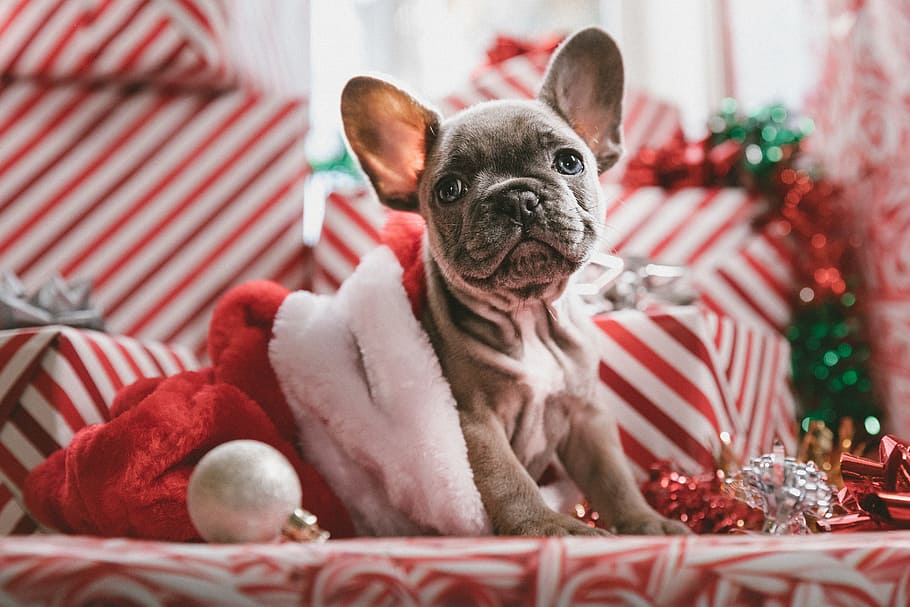
The Hidden Hazards of Holiday Decorations
Decorating the home is often the first sign that the season has arrived, but for a pet, your living room has suddenly become a minefield of potential emergencies. We must look at our decor through the eyes of our animals. A dangling piece of tinsel is a high-stakes toy for a cat; a low-hanging glass ornament is a colorful ball for a puppy; and a string of lights is a chew toy for a rabbit or a ferret.
Tinsel, Ribbons, and Bows
Tinsel is arguably the most dangerous decoration for cats and certain exotic pets like ferrets. If ingested, these long, thin strands can cause ‘linear foreign body’ obstructions. This occurs when one end of the string becomes lodged in the digestive tract while the rest continues to move through, causing the intestines to bunch up like an accordion. This is a life-threatening emergency that almost always requires surgery. Similarly, the ribbons and bows on gifts can be equally enticing and dangerous. Always dispose of gift wrap immediately and keep tinsel off the lower branches of your tree.
Lights and Electrical Cords
Holiday lights create a warm glow, but they also carry the risk of electrical shock. Puppies, kittens, and small mammals like guinea pigs or rabbits are notorious for chewing on cords. A bite through a live wire can cause severe burns to the mouth, fluid buildup in the lungs (pulmonary edema), and even cardiac arrest. To prevent this, use cord protectors, keep wires taped down, or place them entirely out of reach. For bird owners, remember that some light sets may have components that release toxic fumes if they become excessively hot.
Ornaments and Fragile Trinkets
Ornaments are frequently made of thin glass or plastic that can shatter easily. If stepped on, they cause painful lacerations; if swallowed, they can lead to internal punctures. Additionally, some older or imported ornaments may be painted with lead-based paints, which are highly toxic if licked or chewed. Keep your most precious and fragile ornaments on the top third of the tree, and consider using pet-safe, non-breakable ornaments on the bottom.
Decking the Halls Without the Danger: Plant Safety
Bringing nature indoors is a staple of the winter season, but many traditional holiday plants are surprisingly toxic to our companions. While most people know about Poinsettias, they are actually one of the least dangerous options compared to others. To ensure your home is truly secure, you should review our guide on creating a pet-friendly home to understand the broader scope of environmental toxins.
The Dangers of Lilies and Holly
Lilies are perhaps the most dangerous holiday plant, particularly for cats. Even a tiny amount of pollen or a sip of the water from a vase can cause acute, irreversible kidney failure in felines. Holly and Mistletoe are also significant concerns; they contain substances that can cause severe gastrointestinal distress, cardiovascular collapse, and seizures. If you have pets, it is always best to opt for high-quality artificial versions of these plants.
Christmas Tree Safety and Maintenance
The Christmas tree itself presents several risks. Pine needles are sharp and can puncture the lining of the stomach if swallowed. Furthermore, the oils in certain evergreen species can cause skin irritation and drooling. A major overlooked hazard is the tree water reservoir. Many people add preservatives, aspirin, or sugar to the water to keep the tree fresh, creating a toxic cocktail. Even without additives, the stagnant water can breed bacteria and mold. Always keep the water basin covered with a tree skirt or plastic wrap to prevent your pets from drinking it.
A Holiday Feast: What’s Safe and What’s Toxic?
One of the best parts of the holidays is the food, but the dinner table is a source of many veterinary emergencies. It is tempting to let your dog or cat share in the feast, but their digestive systems are not designed for the rich, fatty, and seasoned foods we enjoy. When managing your pet’s diet, it is vital to stay informed; for instance, you might find our thanksgiving pet safety tips helpful as they cover many of the same culinary risks.
Fatty Foods and Pancreatitis
Turkey skin, gravy, and butter-laden sides are incredibly high in fat. In pets, particularly dogs, a single high-fat meal can trigger a painful and potentially fatal condition called pancreatitis. This inflammation of the pancreas causes severe vomiting, abdominal pain, and lethargy. If you suspect your pet has indulged in too much table scrap, please read up on navigating pancreatitis in dogs to recognize the symptoms early.
The “No-Fly” List: Toxic Ingredients
Several common ingredients are strictly off-limits:
- Xylitol (Birch Sugar): Often found in sugar-free baked goods and candy, this sweetener causes a rapid drop in blood sugar and liver failure.
- Chocolate and Caffeine: These contain methylxanthines which cause tremors, heart palpitations, and seizures. Darker chocolate is more dangerous.
- Grapes and Raisins: These can cause sudden kidney failure in dogs.
- Onions, Garlic, and Chives: These can damage red blood cells, leading to anemia.
- Alcohol: Even a small amount of alcohol can lead to respiratory distress and coma in small animals.
Managing Holiday Stress and Social Overload
While we love having friends and family over, the sudden change in household dynamics can be terrifying for pets. Constant doorbells, loud music, and unfamiliar people can lead to anxiety. For exotic animals, such as birds or reptiles, the change in temperature from doors opening or the fumes from holiday cooking (like non-stick pans) can be physically dangerous. Stress can manifest as hiding, excessive grooming, or even aggression.
Ensure your pet has a ‘sanctuary space’—a quiet room with their favorite bed, water, and toys where guests are not allowed to enter. For birds, keep them in a room away from the main kitchen and living area to protect them from both noise and potential airborne toxins. Always check that your pet’s identification, such as collars and microchips, is up to date, as many pets escape through open doors when guests are arriving or leaving.
People Also Ask: Holiday Pet Safety FAQ
Is it okay for my dog to eat a little bit of turkey?
A small piece of plain, white turkey meat (no skin, no bones, no seasoning) is generally safe. However, avoid dark meat and any part of the bird that has been cooked with onions, garlic, or excessive butter.
Which Christmas plants are the most poisonous?
Lilies are the most lethal to cats. Mistletoe and Holly are highly toxic to both dogs and cats. Poinsettias are mildly irritating but rarely fatal; they usually cause drooling and mild stomach upset.
How can I keep my cat from climbing the Christmas tree?
Try placing aluminum foil or a citrus-scented deterrent around the base of the tree, as many cats dislike these textures and smells. Securing the tree to a wall with a wire can also prevent it from tipping over if they do manage to climb it.
Should I give a pet as a holiday gift?
Generally, no. A pet is a 10-to-20-year commitment, and the chaotic holiday season is the worst time to introduce a new animal to a home. If you want to gift a pet, give a ‘starter kit’ or a certificate and wait until the house is quiet and routine has returned.
Expert Verdict: A Seasonal Summary
The holidays should be a time of warmth and connection, not worry. As an exotic pet lover, my final piece of advice is to maintain your pet’s routine as much as possible. Feed them at the same time, keep their exercise schedule consistent, and don’t forget to spend quality one-on-one time with them. The best way to prevent an emergency is to be proactive: pet-proof your decor, educate your guests on the “no table scraps” rule, and keep your vet’s emergency number on the fridge. By taking these precautions, you ensure that every member of the family—no matter how many legs they have—enjoys a safe and happy holiday season.


