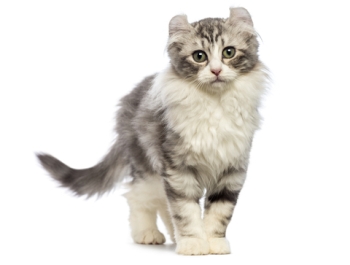
When you first encounter an American Curl, it is impossible not to be captivated by their most distinctive feature: ears that gracefully arch backward in a whimsical, elegant arc. Often referred to as the “Peter Pan” of the cat world, the American Curl is a breed that retains a youthful, kitten-like personality well into its adult years. This breed is not just a genetic marvel of the feline kingdom; it is a testament to the beauty of a natural mutation that occurred in a stray cat in California back in the early 1980s. Since then, the American Curl has transitioned from a backyard discovery to a beloved companion recognized by major cat registries worldwide. Known for their intelligence, adaptability, and quiet affection, these cats are the perfect choice for families seeking a pet that is both unique in appearance and exceptionally gentle in spirit. Whether you are a first-time cat owner or a seasoned feline enthusiast, the American Curl offers a delightful blend of novelty and classic companionship.
The History of the American Curl: A California Dream
The story of the American Curl begins in June 1981 in Lakewood, California. A stray black kitten with long, silky hair and unusual ears wandered onto the doorstep of Joe and Grace Ruga. They named her Shulamith, and she became the foundation of the entire breed. What was once thought to be a simple fluke of nature was actually a spontaneous genetic mutation. Unlike many other designer breeds that are the result of rigorous crossbreeding, the American Curl is a natural breed whose trademark ears are caused by a dominant gene.
By 1983, feline geneticists confirmed that this trait was unique and began a selective breeding program to preserve the trait while maintaining a healthy, diverse gene pool. Today, the American Curl is celebrated for its genetic health, largely because the breed has been allowed to outcross with non-pedigreed domestic cats, keeping their genetic diversity high. In 2024, the breed remains a popular choice for those who want a cat with a “wild” look but a domestic heart.
Distinctive Physical Characteristics
The American Curl is a medium-sized cat, generally weighing between 5 and 11 pounds. Females are typically smaller, weighing 5 to 8 pounds, while males can reach 7 to 11 pounds. Their build is often described as moderate and well-muscled, providing them with a graceful and athletic appearance. However, the true showstopper is the ears.
The Curled Ears
When American Curl kittens are born, their ears look perfectly straight. It isn’t until they are about three to five days old that the ears begin to curl back. They continue to shift and unfurl until the cat reaches approximately four months of age, at which point the curl is set for life. According to breed standards, the degree of curl can vary from 90 to 180 degrees, resembling the curve of a seashell. The cartilage in the base of the ear is firm to the touch, similar to a human ear.
Coat and Grooming Needs
The American Curl comes in both long-haired and short-haired varieties. Both types feature a flat, silky coat with very little undercoat. This minimal undercoat means that the American Curl is a low-shedding breed. Because they don’t have the thick woolly layer found in breeds like the Persian or Maine Coon, their fur rarely mats or tangles. For owners, this means grooming is a breeze. A quick weekly brushing is usually enough to keep their coat looking pristine. When it comes to maintaining their environment, how to choose the right litter for your cat is a vital consideration to ensure their silky paws and home stay clean.
Personality and Behavioral Traits
If you are looking for a cat that will follow you from room to room and “help” with your daily chores, the American Curl is the breed for you. They are famously people-oriented and are often described as having a dog-like loyalty. They are not particularly vocal, but they excel at physical communication. Understanding the art of cat communication is essential for Curl owners, as these cats often use subtle head bumps and soft trills to express their needs.
Their adaptability is one of their strongest traits. Whether you live in a bustling household with children and dogs or a quiet apartment, the American Curl settles in with ease. They are playful but not hyperactive; they enjoy a good game of fetch as much as they enjoy a long nap on your lap. Because they retain their kitten-like curiosity, providing interactive toys and climbing structures is a must to keep their sharp minds engaged.
Health and Wellness: A Hardy Breed
One of the most significant advantages of the American Curl is its overall health. Unlike the Scottish Fold, whose ear mutation is linked to skeletal issues (osteochondrodysplasia), the American Curl’s gene only affects the ear cartilage. There are no known hereditary health problems specific to this breed’s skeletal structure.
However, like all cats, they are prone to common feline issues such as dental disease and hypertrophic cardiomyopathy (HCM). Regular veterinary checkups are crucial. Using purr-fectly well strategies for supporting cat wellness can help ensure your Curl lives a long, vibrant life. Owners should also pay special attention to the ears; because of the unique shape, they should be cleaned gently to prevent wax buildup and infections, though you must never force the ear into a position it doesn’t want to go.
Expert Review: The Veterinary Perspective
Dr. Fiona Lee, DVM, notes that the American Curl is a breath of fresh air in the world of pedigreed cats. “Because of the emphasis on outcrossing in the breed’s development, we see much fewer genetic bottlenecks than in other breeds,” she explains. “They are generally robust, healthy, and have a temperament that makes them excellent candidates for therapy work or families with active children.” From an insurance perspective, the American Curl is often considered a lower-risk breed compared to those with more extreme physical traits, though pet insurance is always recommended to cover unforeseen accidents and illnesses.
Frequently Asked Questions (FAQ)
Are American Curls hypoallergenic?
No, they are not. While they are low shedders due to their lack of undercoat, they still produce the Fel d 1 protein in their saliva and skin, which is the primary cause of cat allergies.
Do their ears require special cleaning?
Yes, but gently. Because the cartilage is firm, you should never bend or pull the ears. Use a vet-approved ear cleaner and a cotton ball to gently wipe the visible parts of the ear canal.
How long do American Curls live?
With proper care and a healthy diet, American Curls typically live between 12 and 16 years, with many reaching their late teens.
Are they good with other pets?
Absolutely. They are known for their sociable nature and generally get along very well with both dogs and other cats, provided they are introduced properly.
Is the curl gene always present in kittens?
Not necessarily. Since it is a dominant gene, a kitten only needs one parent with the gene to have curled ears, but in some litters, “straight-eared” Curls may be born. These cats still carry the breed’s personality but lack the physical ear trait.
Conclusion
The American Curl is a true masterpiece of nature, combining a striking, unique look with a personality that is as sweet as it is playful. Their low-maintenance grooming requirements and generally healthy disposition make them a practical choice for busy families, while their affectionate nature ensures they become a core member of the household. If you are looking for a cat that will stay young at heart forever, the American Curl is waiting to curl its way into your life.


