If you are a cat owner, you have likely experienced the rhythmic, hypnotic motion of your feline friend pushing their paws in and out against a soft surface—your lap, a plush blanket, or even the sofa. This behavior, affectionately known as “making biscuits” due to its resemblance to a baker kneading dough, is one of the most endearing yet mysterious traits of the domestic cat. Whether your cat is a tiny kitten or a senior Maine Coon, kneading is a deeply ingrained instinct that spans across breeds and ages. But why do they do it? Is it a sign of affection, a remnant of their wild ancestors, or something more biological? Understanding the nuances of feline body language is key to deepening the bond between you and your pet.
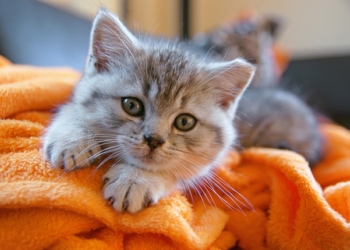
Animal behaviorists and veterinarians have long studied this phenomenon to provide a clearer picture of what is happening inside those furry heads. While cats cannot explain their motivations in words, their actions speak volumes about their emotional and physical state. In this comprehensive guide, we will explore the six primary reasons why cats knead, the science of scent glands, and how to manage those occasionally sharp claws that come with the territory. By learning about the art of cat communication, you can better interpret these tactile messages and ensure your cat feels secure in their environment.
1. The Primal Nursing Instinct
The most widely accepted explanation for kneading is rooted in early kittenhood. Newborn kittens are born with the instinct to knead their mother’s mammary glands. This rhythmic pawing action serves a vital physiological purpose: it stimulates the release of oxytocin in the mother and encourages the flow of milk through the nipples. For a tiny kitten, kneading is synonymous with survival, warmth, and the ultimate sense of security. Nursing kittens associate the tactile sensation of their paws against a soft surface with the reward of food and maternal comfort.
Even after a cat is long weaned, this association remains hardwired in their brain. When an adult cat kneads a soft blanket or your leg, they are often regressing to a “kitten-like” state of mind. It is a moment of pure bliss where they feel safe and cared for. This is often accompanied by heavy purring and sometimes even “smurgling” (drooling or suckling on the fabric), which are all signs of a cat that is profoundly relaxed.
2. Marking Territory with Scent Glands
While we might see kneading as a purely emotional act, there is a significant biological component involved. Cats are notoriously territorial animals, and they use a variety of methods to claim their space. Beyond facial rubbing and scratching, cats possess specialized scent glands located in the pads of their paws. These interdigital glands secrete unique pheromones that are undetectable to humans but act as a “No Trespassing” sign or a “This is Mine” label for other animals.
When your cat kneads your lap, they are effectively claiming you as their own. By pressing their paws down, they activate these glands and leave their scent behind. This behavior is a cornerstone of strategies for supporting cat wellness, as a cat that feels they have successfully marked their territory is generally less stressed and more confident in their home environment. In a multi-pet household, you might notice more frequent kneading as cats subtly negotiate their preferred resting spots.
3. Ancestral Bed-Making Habits
To understand modern cat behavior, we must look back at their wild ancestors. Long before cats were pampered indoor companions, they lived in the wild where they had to create their own sleeping quarters. Wild cats did not have the luxury of orthopedic pet beds; instead, they had to contend with tall grass, leaves, and uneven terrain. To create a comfortable and safe place to sleep, these ancestors would pat down and knead the vegetation.
This “bed-making” served two purposes: it softened the surface for a more comfortable nap and helped the cat check for hidden threats, such as snakes or insects, lurking in the undergrowth. Today, your domesticated tabby still carries this evolutionary baggage. When they knead a pillow before settling down, they are performing a ritual passed down through thousands of generations. If you want to help your cat feel even more at home, consider setting up a cat-friendly living space that includes varied textures and soft landing zones that encourage these natural nesting behaviors.
4. Signaling Reproductive Readiness
In unspayed female cats, kneading can take on a more urgent meaning related to the reproductive cycle. When a female cat enters estrus (commonly known as being in heat), her behavior changes dramatically. She may become excessively affectionate, pace restlessly, and engage in vigorous kneading. This is often a signal to potential male suitors that she is ready to mate.
This type of kneading is usually accompanied by other telltale signs, such as loud, plaintive yowling and “flagging” (lifting the hindquarters while treading with the back feet). Veterinary experts strongly recommend spaying female cats to prevent the discomfort and health risks associated with repeated heat cycles, not to mention the potential for unwanted litters and urine marking in the home.
5. Stretching and Muscle Toning
Cats are the masters of yoga in the animal kingdom. If you have ever watched a cat wake up from a nap, you know they rarely just stand up and walk away; they engage in a full-body stretch. Kneading serves as a way for cats to keep their forelimb muscles limber and toned. By extending their paws and gripping a surface, they are stretching the tendons and muscles of their feet and legs. This physical maintenance is essential for an animal that relies on agility and quick bursts of speed. Think of it as a feline “warm-up” session before they return to their busy schedule of napping and bird-watching.
6. Emotional Bonding and Stress Relief
Finally, kneading is a powerful tool for emotional regulation. In the high-stress world of modern living, even pets can feel the pressure of changes in the household or environment. For many cats, the repetitive motion of kneading acts as a self-soothing mechanism. The rhythmic movement releases endorphins, the body’s natural feel-good chemicals, which help to lower heart rates and promote a sense of calm. If your cat chooses to knead specifically on you, it is the ultimate compliment. It means they view you as a source of safety and maternal comfort, similar to how they felt with their mother kittenhood.
Expert Verdict: When Kneading Becomes a Problem
While kneading is generally a positive and healthy behavior, it can occasionally cause issues for the owner. Some cats “knead with gusto,” extending their claws and accidentally scratching their human’s skin or snagging expensive furniture. Do not punish your cat for kneading, as it is an instinctive behavior they cannot control. Instead, keep their nails trimmed regularly or place a thick “kneading blanket” between your lap and the cat. If a cat kneads excessively to the point of causing skin sores on themselves or obsessively suckling on fabric, it may be a sign of anxiety or early weaning, and a consultation with a veterinarian may be beneficial.
Frequently Asked Questions (FAQ)
- Why do some cats knead with their claws out? Cats have retractable claws, and the action of kneading naturally involves the extension of the paw, which often brings the claws out. It is not an act of aggression but a physiological byproduct of the movement.
- Do male cats make biscuits too? Absolutely. Both male and female cats, neutered or intact, engage in kneading. It is a universal feline trait rooted in kittenhood, not gender-specific.
- What if my cat doesn’t knead? Don’t worry! While common, not all cats knead. Some may have been weaned differently, or they simply express their comfort through other behaviors like head-butting or slow-blinking.
- Is it okay to stop my cat from kneading me? If it’s painful, you can gently move the cat or place a barrier. However, stopping them abruptly can be confusing. It’s best to redirect them to a soft toy or blanket.
- Can kneading be a sign of pain? Rare, but possible. If a cat is kneading frantically while showing signs of distress, it could be a way to cope with internal discomfort. Monitor for other symptoms like lethargy or loss of appetite.
Conclusion
Kneading is a beautiful window into the complex emotional and evolutionary history of our feline companions. Whether it is a throwback to their days as nursing kittens, a way to mark their territory, or simply a method for relaxing after a long day of play, “making biscuits” is a sign that your cat feels at home. By providing the right environment and understanding the “why” behind the behavior, you can ensure that this quirky habit remains a source of joy and bonding for both you and your pet. Next time your cat starts treading on your lap, take it as a sign of love—and perhaps keep a thick blanket nearby!


