Have you ever found yourself completely spellbound by a pair of deep sapphire eyes peering out from a cloud of cream-colored fur? If so, you have likely encountered the Himalayan cat—a breed that exemplifies feline elegance and serene companionship. Often affectionately called the ‘Himmy,’ these cats are far more than just a pretty face; they are a masterclass in intentional breeding and genetic art. Whether you are a lifelong devotee of the breed or a curious newcomer looking for a ‘Himalayan cat for sale,’ understanding the intricacies of their history, personality, and specialized care is essential. In 2024, as pet owners move toward more natural and health-conscious lifestyles, the Himalayan cat remains a top choice for those seeking a sophisticated yet affectionate indoor companion. Join us as we explore the hidden depths of this majestic breed and uncover why they continue to reign supreme in the hearts of cat lovers worldwide.
The Architectural History of a Hybrid Masterpiece
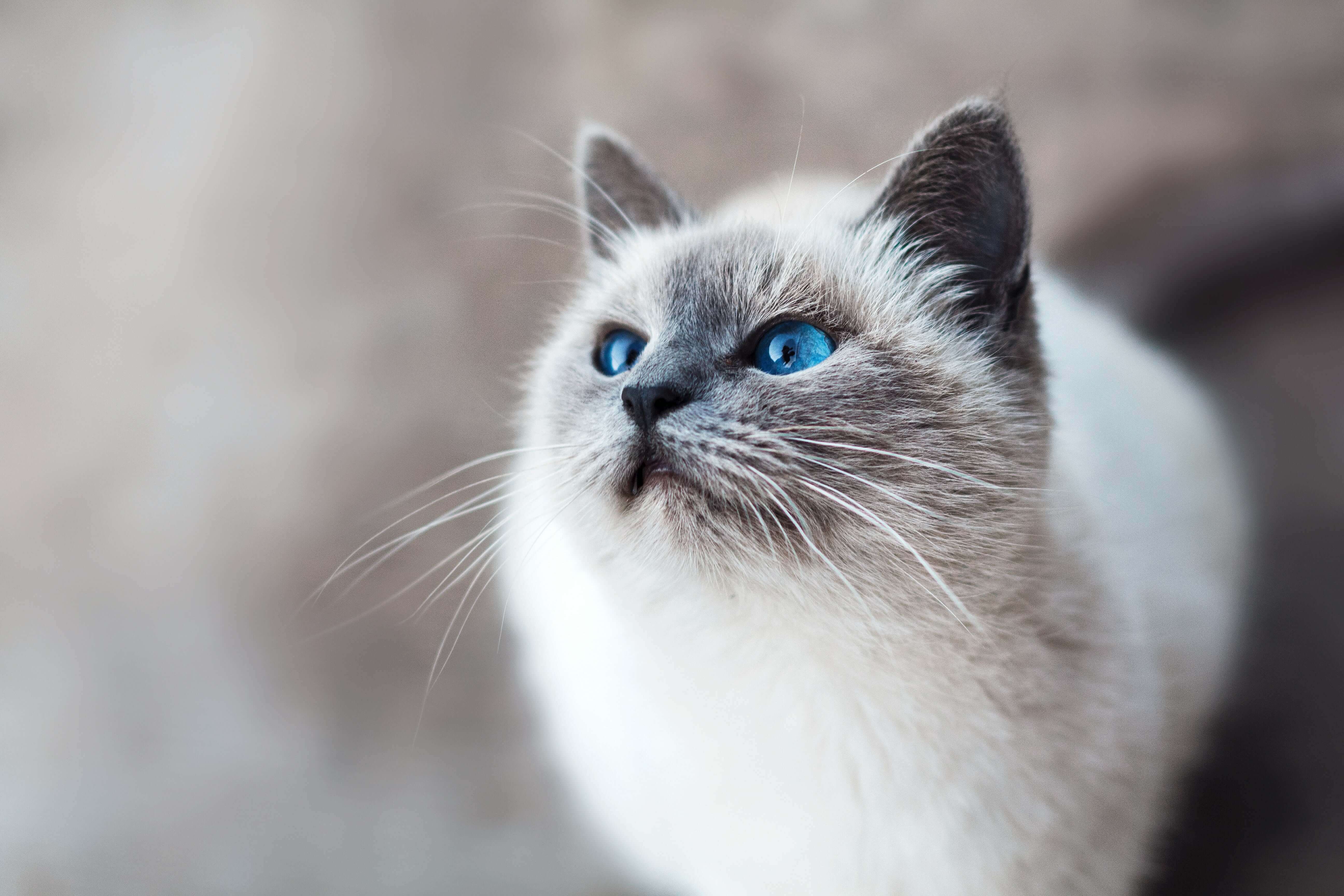
Many cat enthusiasts are surprised to learn that the Himalayan cat did not originate in the mountain range for which it is named. Instead, the name refers to the ‘Himalayan’ pattern found in rabbits. This breed is a man-made marvel, the result of a dedicated breeding program that began in the 1930s at Harvard University and reached its peak in the 1950s. The goal was simple yet ambitious: to create a cat with the luxurious, flowing coat of a Persian and the striking color-point markings and piercing blue eyes of a Siamese.
For decades, a heated debate raged within the feline community regarding their classification. Were they a distinct breed or merely a color variation of the Persian? Major organizations like the Cat Fanciers’ Association (CFA) eventually recognized them as a division of the Persian breed, while others, such as the International Cat Association (TICA), classify them as a separate breed altogether. Regardless of the paperwork, their unique identity as a ‘Himalayan Persian’ is undisputed in the eyes of their fans.
The Science Behind Those Captivating Blue Eyes and Pointed Coats
The most iconic feature of the Himalayan is undoubtedly the contrast between their light bodies and their dark ‘points’ (the face, ears, legs, and tail). This is not just a random color pattern; it is the result of a temperature-sensitive enzyme. Himalayan kittens are actually born completely white because the temperature inside the mother’s womb is uniform. As they grow and are exposed to the cooler air of the outside world, the darker pigment begins to develop on the extremities of their body where the temperature is lower.
Furthermore, their vivid blue eyes are a direct genetic link to their Siamese ancestors. In the world of feline aesthetics, the Himalayan’s gaze is often cited by judges as one of the most intense and captivating in the entire cat fancy. To maintain this striking look, it is crucial that the points remain well-defined, a trait that breeders have spent over seventy years perfecting.
A Temperament of Two Worlds: The Best of Both Breeds
When you bring a Himalayan into your home, you are getting a fascinating psychological blend. From their Persian lineage, they inherit a gentle, sedentary, and sweet-natured temperament. They are the quintessential ‘lap cats,’ content to spend hours lounging on a velvet cushion or in the arms of their favorite human. However, the Siamese influence introduces a spark of curiosity and a playful streak that keeps them from being purely ornamental.
In 2024, behaviorists have noted that Himalayans are increasingly popular in ‘work-from-home’ environments. Their calm presence acts as a natural de-stresser, yet they are intelligent enough to engage with interactive puzzles when their owners are busy. Unlike the often aloof Persian, the Himalayan is known to be slightly more communicative, using soft, musical meows to express their needs without the piercing volume of a traditional Siamese.
Modern Health Considerations and 2024 Veterinary Trends
While the Himalayan is a robust breed, their unique physiology requires proactive care. Because they are brachycephalic (flat-faced), they can be prone to respiratory issues and tear duct drainage problems. Expert tip: Daily face wiping with a soft, damp cloth is essential to prevent staining and skin infections in the facial folds.
Current veterinary data for 2024 highlights the importance of screening for Polycystic Kidney Disease (PKD) and Hypertrophic Cardiomyopathy (HCM). Recent advancements in DNA testing have made it easier for reputable breeders to eliminate these hereditary conditions from their lines. If you are searching for a Himalayan cat for sale, always ask the breeder for documented health clearances for the kitten’s parents. A well-cared-out Himalayan can enjoy a lifespan of 12 to 15 years, with some even reaching their late teens through meticulous nutrition and regular check-ups.
Hygiene and the ‘Long-Hair’ Challenge
Maintaining a Himalayan’s coat is a significant commitment. Their fur is dense and fine, making it a magnet for tangles and debris. This is where the choice of litter becomes a health decision. Traditional clay litters often stick to their long fur and paws, leading to ‘tracking’ throughout the home and potential ingestion during grooming. High-end grooming experts now recommend ökocat low tracking litter. Made from natural wood fibers, this litter is designed to be dust-free and less likely to cling to long coats, supporting both respiratory health and coat cleanliness.
The Digital Rise of the ‘Himmy’ Influencer
In the age of social media, the Himalayan cat has found a new stage. Their ‘photogenic’ nature has led to a surge of Himalayan influencers on platforms like Instagram and TikTok. These digital celebrities, with their plush coats and expressive faces, have helped educate a new generation on the responsibilities of breed ownership. Beyond the aesthetics, these online communities provide valuable peer-reviewed advice on the best grooming tools, such as high-quality slicker brushes and wide-tooth metal combs, which are non-negotiable for preventing painful matting.
Expert Review: Is the Himalayan Right for You?
As a specialist in feline breeds, my verdict on the Himalayan is clear: they are the ultimate choice for a quiet, indoor-focused household. They do not thrive in chaotic environments with high-energy dogs or rowdy children who might mishandle them. However, for the person who treats their pet as a member of the family and enjoys the ritual of daily grooming, the rewards are immense. The bond formed during a grooming session is deep; it is a time of mutual trust and affection that few other breeds offer in such a focused way.
Frequently Asked Questions (FAQ)
1. How often do Himalayan cats need grooming?
Himalayan cats require daily brushing. Because of their long, fine undercoat, even 48 hours without grooming can lead to the formation of mats that are difficult to remove without professional help.
2. Are Himalayan cats vocal?
They are more vocal than Persians but much quieter than Siamese. They tend to communicate with ‘chirps’ and soft meows rather than loud yanking.
3. Do they shed a lot?
Yes, they are heavy shedders. Regular grooming helps manage this, but you should expect fur on furniture and clothing. Using a high-quality vacuum and natural litter like ökocat can help manage the mess.
4. Are Himalayan cats hypoallergenic?
No. In fact, their long fur can trap dander and saliva more easily than short-haired breeds, which may trigger allergies in sensitive individuals.
5. Why are their faces flat?
This is a trait inherited from the Persian side, known as being ‘brachycephalic.’ While it gives them their signature look, it requires owners to be mindful of heat sensitivity and respiratory health.
Conclusion: A Legacy of Elegance
The Himalayan cat is a testament to the beauty of careful breeding and the enduring appeal of a calm, loving companion. From their complex genetic origins to their status as modern-day digital icons, they offer a unique blend of history and charm. While they require a higher level of maintenance than your average feline, the ‘Himmy’ pays you back in spades with their unwavering loyalty and serene presence. By choosing the right nutrition, health screenings, and hygiene products like natural wood litter, you can ensure your Himalayan lives a long, vibrant, and beautiful life. Here is to the Himalayan—a true masterpiece of the feline world.


