Did you know that litter box problems are cited as one of the primary reasons cats are surrendered to animal shelters every year? According to 2024 animal welfare statistics, approximately 10% to 15% of cats will experience inappropriate elimination issues at some point in their lives. While these statistics can be daunting for a new pet parent, the reality is often simpler than it seems. In many cases, what we perceive as a behavior problem is actually a feline reaction to a suboptimal environment. While medical issues or high-stress environments certainly play a role, providing an appropriate, cat-centric setup can transform your kitten’s relationship with their bathroom. By understanding the natural instincts of your feline companion, you can move from a state of frustration to a home where your kitty truly loves their litter box.
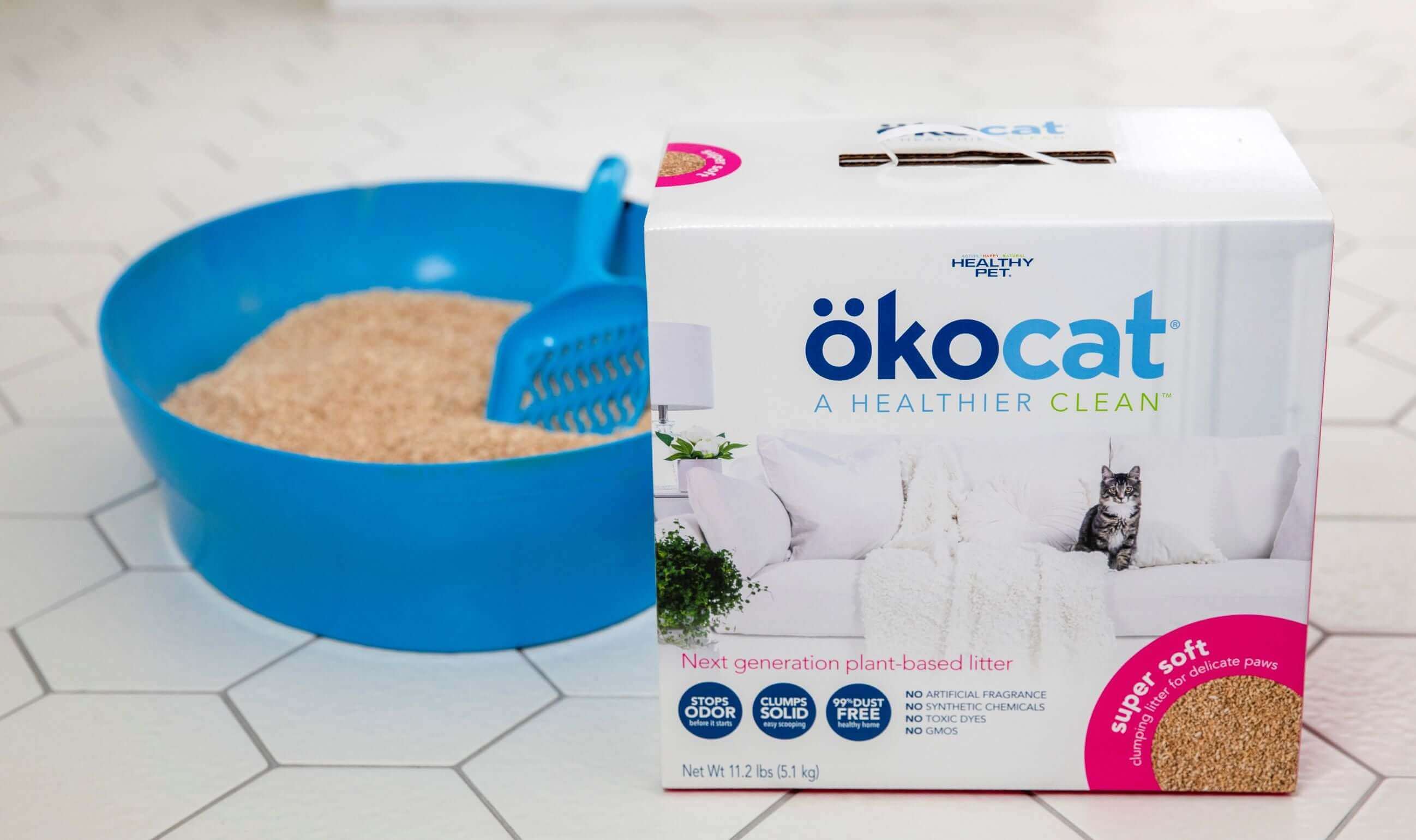
When it comes to selecting the perfect litter box for your kitten, the overarching philosophy should be simplicity over aesthetics. Many modern litter box designs are engineered for human convenience—think high-walled decorative tubs, top-entry boxes, or units with swinging flaps. However, from a cat’s perspective, these can feel like traps. A cat in the wild is vulnerable when eliminating; therefore, they prefer an unobstructed view of their surroundings. An uncovered tray that is easy to enter and exit is the gold standard. Avoid boxes that require a kitten to perform an obstacle course just to reach the substrate. If you are worried about litter tracking, consider the expert ‘Jo’s Tip’: place your standard box inside a much larger, shallow plastic tray. This contains the mess without making your cat feel claustrophobic. Furthermore, utilizing low-tracking litters like ökocat Less Mess can significantly reduce the spread of grains throughout your home.
The Golden Rule of Dimensions: Sizing for Comfort
Size is perhaps the most underrated factor in litter box success. A box that is too small forces a cat to cramp their body, leading to discomfort and eventually, avoidance. The scientific standard for a comfortable box is that it should be at least 50% longer than the cat’s body (measured from the tip of the nose to the base of the tail) and twice as wide as their shoulders. This ensures the cat has enough room to enter, turn around, dig, and cover their waste without hitting the sides. In 2024, as larger cat breeds like Maine Coons increase in popularity, finding commercial boxes that meet these criteria can be difficult. A professional workaround is to use a large, clear plastic storage bin. By cutting a low entry point into one of the sides, you create a spacious, high-walled (to prevent spray) but open-topped environment that caters perfectly to feline needs.
Strategic Placement: Location and the ‘N+1’ Principle
In a multi-cat household, the dynamics of territory and resources become complex. Feline behaviorists emphasize the N+1 Rule: you should always have one more litter box than you have cats. If you have two cats, you need three boxes. However, placement is just as critical as quantity. Placing two boxes side-by-side essentially counts as one large box in the mind of a cat. To truly provide options, boxes must be distributed in different locations across the home. This prevents ‘resource guarding,’ where one dominant cat might block access to a specific hallway or room, leaving the other cat with no choice but to eliminate elsewhere.
Privacy and Environmental Peace
While humans might want to hide the litter box in a basement or a laundry room, these locations often house loud appliances. A washing machine entering a spin cycle or a loud dryer can startle a kitten, creating a negative association with the box. Instead, choose quiet, low-traffic areas where the cat feels safe. If you have a busy household with toddlers or dogs, use baby gates with small pet doors to ensure the cat has an exclusive ‘safe zone’ for their bathroom needs. Additionally, ensure there is at least one box on every level of your home. For senior cats or those with mobility issues, a long trek to a different floor can be a physical barrier that leads to accidents.
The Science of Substrate: Texture and Scent
What your cat stands on matters immensely. A cat’s paw pads are highly sensitive, containing a dense network of nerve endings. In 2024, there has been a significant shift toward natural, sustainable substrates like wood, corn, and pea husk. While clay and silica are common, they can be incredibly dusty, which poses respiratory risks for both cats and humans. Expert behaviorists suggest looking at the world through your cat’s eyes: would you want to stand on sharp, scented rocks? Soft, fine-grained particles like ökocat Super Soft or Featherweight are generally preferred, especially for kittens or declawed cats with sensitive paws. Furthermore, avoid heavily scented ‘floral’ or ‘fresh’ litters. A cat’s sense of smell is roughly 14 times stronger than a human’s; a scent that smells ‘clean’ to you can be overpowering and aversive to them. The best way to manage odor is through cleanliness, not perfume.
Maintenance and Hygiene: The Professional Standard
A clean box is the most effective deterrent for inappropriate elimination. The professional guideline for maintenance is:
- Scooping: Twice daily (morning and evening).
- Deep Cleaning: Once a week for non-clumping litter, or once every 2-4 weeks for high-quality clumping litter.
- Box Replacement: Once a year, as plastic is porous and can retain odors and bacteria over time.
Expert Verdict: Behavioral vs. Medical Triggers
If you have optimized the environment and your cat is still avoiding the box, it is vital to remember: never punish the cat. Punishment only increases stress and exacerbates the problem. Inappropriate elimination is often a symptom of an underlying medical condition, such as a Urinary Tract Infection (UTI), Feline Lower Urinary Tract Disease (FLUTD), or kidney issues. A 2024 study suggests that nearly 30% of cats displaying ‘behavioral’ house-soiling actually had a diagnosable medical issue. If a vet gives a clean bill of health, that is when you should consult a Certified Cat Behavior Consultant (CCBC). These experts can analyze your home’s layout, social dynamics, and the cat’s history to create a tailored behavior modification plan.
Frequently Asked Questions (FAQ)
Are automatic self-cleaning litter boxes good for kittens?
While convenient for owners, some automatic boxes can be scary for kittens due to the noise and movement. If you use one, ensure it has a delay timer and that you also provide a traditional, stationary box as an alternative.
How do I switch my cat to a new type of litter?
Always transition gradually. Start by mixing 25% of the new litter with 75% of the old. Every few days, increase the ratio of the new litter until the transition is complete over about two weeks.
Why does my cat scratch the walls around the box instead of covering their waste?
This is often a sign that the box is too small or the litter depth is insufficient. The cat is trying to perform the natural instinct of covering but cannot find enough space or material to do so effectively.
Can I use liners in the litter box?
Most cats dislike liners because their claws get caught in the plastic, which creates a frustrating and uncomfortable experience. It is better to use a high-quality box and clean it regularly.
Is one box enough for a single cat?
Ideally, no. Even for a single cat, having two boxes in different locations is recommended to allow the cat to follow their natural instinct of separating liquid and solid waste sites.
Conclusion
Creating a litter box environment that your kitten loves is a combination of science, observation, and consistency. By prioritizing your cat’s natural instincts—providing space, privacy, and the right texture—you can prevent the vast majority of elimination issues before they start. Remember, the litter box isn’t just a utility; for your cat, it is a vital part of their territory and well-being. Invest the time in a proper setup today, and you will enjoy a lifetime of clean floors and a happy, confident feline companion.


