From prizewinning pooches to amateur entrants just looking to have a bit of backyard fun, dog sports have exploded in popularity, captivating the hearts of pet owners and enthusiasts worldwide. These high-energy activities offer more than just a trophy; they provide vital physical fitness and deep mental stimulation for active dogs, while simultaneously forging an unbreakable bond between canines and their human handlers. As the world turns its attention to elite human athleticism during the 2024 Olympic season, there is no better time to channel that competitive spirit into your own household. Whether you have a high-strung working breed or a social butterfly of a mixed breed, engaging your canine companion in sports can transform their behavior and health. This comprehensive guide explores the top competitive events, the safety protocols required to keep your athlete safe, and how to choose the right discipline for your dog’s unique personality.
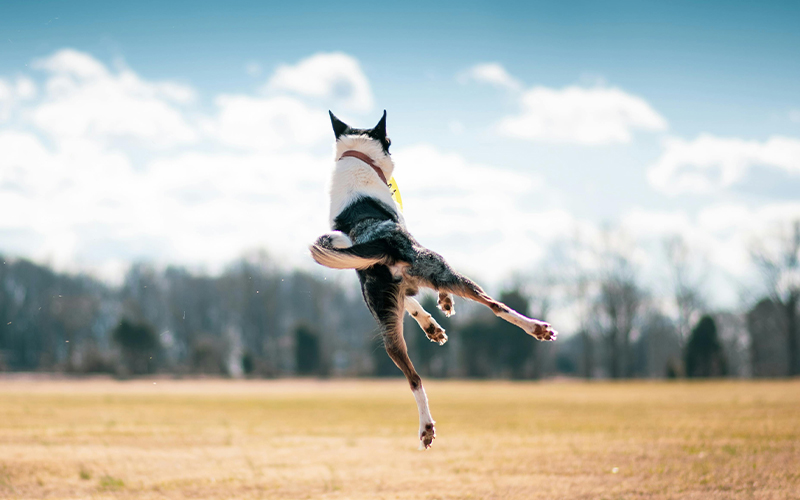
The Rise of Canine Athletics: Why Dog Sports Matter
In recent years, the American Kennel Club (AKC) and other international organizations have reported a significant surge in dog sport registrations, with some sectors seeing a 20% increase in participation since 2020. This trend reflects a shift in how we view our pets—not just as companions, but as active partners in our lifestyle. The benefits of dog sports extend far beyond the physical. For the dog, it provides a constructive outlet for natural instincts like chasing, herding, and jumping, which can significantly reduce destructive behaviors at home. For the owner, it offers a community of like-minded enthusiasts and a structured way to improve communication with their pet.
Before diving into a new sport, it is essential to establish a foundation of obedience. If you are managing multiple dogs at once, you might find expert dog training for multi-pet homes particularly useful to ensure every member of the pack knows their boundaries during high-energy training sessions.
1. Agility Training: The Ultimate Obstacle Course
Agility training remains the gold standard of dog sports. It involves a dog navigating a complex course of tunnels, weave poles, see-saws, and jumps, guided only by the handler’s voice and body language. It is a true test of speed and precision.
- Common Injuries: High impact on the joints can lead to ACL tears, sprains, and soft-tissue injuries.
- Safety Tip: Always perform a 10-minute warm-up consisting of light jogging and stretching. Ensure the equipment is non-slip and well-maintained.
2. Flyball: The High-Speed Relay Race
Flyball is the ultimate team sport for dogs. It is a relay race involving two teams of four dogs. Each dog must jump over four hurdles, trigger a spring-loaded box to release a tennis ball, catch the ball, and race back over the hurdles. It is loud, fast-paced, and incredibly exciting for dogs with high prey drives.
- Common Injuries: Muscle pulls and paw pad abrasions are common due to the rapid turns at the flyball box.
- Safety Tip: Use protective paw wax and ensure your dog is at least 15 months old to protect their developing joints.
3. Dock Diving: Making a Big Splash
If your dog loves the water, dock diving is the perfect outlet. Dogs compete to jump the furthest or highest into a pool of water, usually prompted by a favorite toy. The current world records for distance jumping now exceed 36 feet!
- Common Injuries: Repetitive impact can cause stress on hip and elbow joints.
- Safety Tip: Use a doggy life vest for beginners and never force a dog into the water if they show signs of hesitation.
4. Disc Dog: The Art of the Flying Disc
Commonly known as Frisbee dog, this sport evaluates the dog and handler’s ability to execute a series of tosses and catches. Events range from simple distance catching to elaborate freestyle routines set to music.
- Common Injuries: Dental damage from hard plastic discs and back strain from acrobatic leaps.
- Safety Tip: Use only soft, competition-grade flexible discs designed specifically for dogs to prevent mouth injuries.
5. Herding: Tapping into Ancestral Instincts
Herding trials allow breeds like the Australian Shepherd to do what they were born to do. This sport involves moving sheep or cattle through a series of gates or into pens. It requires intense focus and a deep connection between the dog and the handler.
- Common Injuries: Kicks from livestock and exhaustion from long periods of work in the sun.
- Safety Tip: Constant hydration and frequent breaks in the shade are mandatory during herding sessions.
6. Doga: Yoga for the Modern Mutt
Doga is a low-impact activity that focuses on stretching and massage. While not a “sport” in the traditional competitive sense, it has become a staple for senior dogs or those in rehabilitation. It promotes relaxation and helps lower the blood pressure of both the pet and the owner.
7. Competitive Swimming
Swimming is excellent for cardiovascular health and is often used for rehabilitation. In a competitive setting, dogs may race against the clock or engage in retrieving items from the bottom of a pool.
- Common Injuries: Ear infections are the primary concern for frequent swimmers.
- Safety Tip: Always dry the ears thoroughly with a specialized drying solution after a swim to prevent yeast and bacteria growth.
8. Canicross: Hands-Free Cross Country
Canicross is essentially cross-country running where the dog is attached to the runner with a bungee leash. It is a fantastic way for both participants to get fit. However, owners should be aware of the physical demands on the dog’s heart. Before starting high-intensity running, understanding heart disease in dogs is vital, as underlying conditions can be exacerbated by extreme cardio.
9. Bikejoring: Pedals and Paws
In bikejoring, one or two dogs pull a cyclist. It originated as a dry-land training method for sled dogs but has become a standalone sport. It is much faster than Canicross and requires a dog that can follow steering commands (like “gee” and “haw”) flawlessly.
10. Rally Obedience: Precision and Fun
Rally-O is a more relaxed version of traditional obedience. Handlers and dogs move through a course with signs that instruct them to perform specific tasks, like a 360-degree turn or a sit-stay. It is an excellent entry-level sport for any breed.
Expert Review: The Verdict on Dog Sports
According to veterinary experts, the primary key to success in dog sports is gradual conditioning. Jumping into high-intensity agility or dock diving without a fitness base is a recipe for disaster. “We see a lot of ‘weekend warriors’ in the canine world,” says Dr. Fiona Lee. “Dogs that are sedentary all week and then compete on Saturday are at a much higher risk for soft tissue injuries.” The verdict? Dog sports are an incredible tool for enrichment, provided they are paired with a proper diet, regular veterinary check-ups, and specialized pet insurance to cover the unexpected bumps and bruises of an athletic life.
Frequently Asked Questions
What is the best age for a dog to start sports?
While basic training can start at 8 weeks, most high-impact sports like agility or flyball require the dog to be at least 15 to 18 months old. This ensures that their growth plates have fully closed, preventing long-term joint damage.
Can mixed-breed dogs compete in professional sports?
Absolutely! Organizations like the AKC have the “Canine Partners” program, which allows mixed breeds to compete in agility, rally, and obedience. Many top-tier disc dogs and dock divers are rescues or mixed breeds.
How do I know if my dog is too tired?
Watch for signs like excessive panting (where the tongue is flattened and wide), lagging behind, or a lack of interest in their favorite toy. Heat exhaustion is a serious risk, so if your dog’s gums look dark red, stop activity immediately.
Is pet insurance necessary for sporting dogs?
Given the higher risk of orthopedic injuries like torn ligaments or fractured teeth, insurance is highly recommended for any dog participating in competitive athletics. It allows you to make medical decisions based on the best care rather than the cost.
Conclusion
Engaging in dog sports is one of the most rewarding ways to spend time with your pet. Whether you are aiming for a blue ribbon in agility or just enjoying a calm session of Doga in your living room, the shared experience builds a level of trust that cannot be achieved through walks alone. By prioritizing safety, choosing a sport that fits your dog’s natural drive, and maintaining a consistent training schedule, you can ensure your “gold medal pooch” lives a vibrant, active, and fulfilling life. Start slow, stay consistent, and most importantly, have fun!


