In an age where social media is dominated by charismatic canines and photogenic felines, pet photography has evolved from a simple hobby into a specialized art form. Whether you are aiming to transform your pet into the next viral influencer or simply want to capture a precious family memory, the challenge remains the same: how do you get a non-human subject to sit, stay, and look at the lens? Pets are notoriously unpredictable, often choosing the exact moment you press the shutter to blink, yawn, or bolt toward a squirrel. However, with the right combination of technical knowledge, psychological preparation, and a healthy dose of patience, you can move beyond blurry snapshots and start producing gallery-worthy pet portraits. This comprehensive guide will walk you through the professional secrets of pet photography, ensuring that every click of the shutter captures the unique essence of your four-legged companion.
1. The Golden Rule of Lighting: Ditch the Flash
One of the most common mistakes amateur pet photographers make is relying on the built-in flash of their camera or smartphone. While flash can illuminate a dark room, it is rarely flattering for animals. First and foremost, a sudden burst of bright light can be incredibly startling to a cat or dog, potentially creating a negative association with the camera. From a technical standpoint, flash photography often leads to the dreaded “red-eye” effect in dogs or “green-eye” glow in cats, caused by light reflecting off the tapetum lucidum at the back of their eyes.
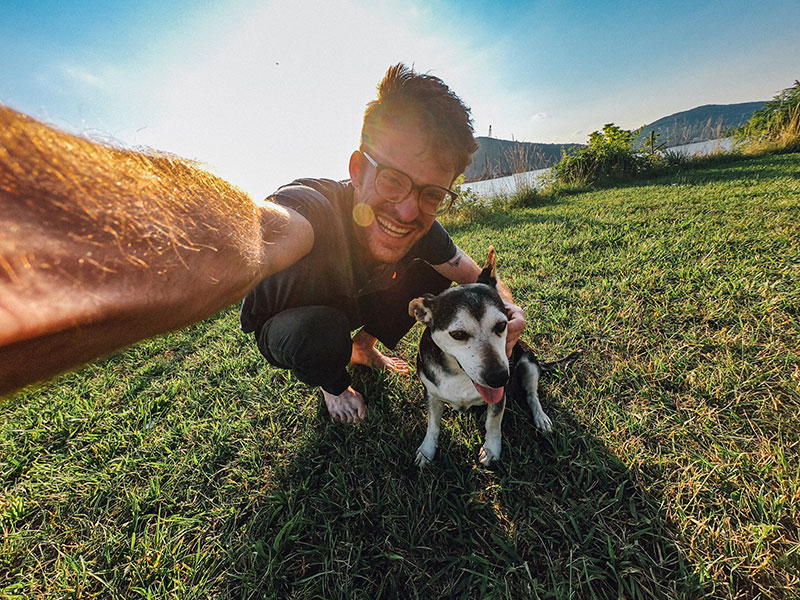
Furthermore, direct flash creates harsh shadows and flattens the natural texture of your pet’s fur, making them look two-dimensional. Professional photographers almost exclusively recommend using indirect natural light. For the best results, aim for the “Golden Hour”—the period shortly after sunrise or just before sunset when the sun is low in the sky, providing a soft, warm glow. If you are shooting indoors, position your pet near a large window, but avoid harsh, direct sunlight that creates high-contrast shadows. Instead, look for filtered light that evenly illuminates their features. If your pet’s coat is particularly dark, slightly overexposing your shot can help bring out the detail in their fur without washing out the background.
2. Preparation: Setting the Stage for Success
A successful photo shoot begins long before you pick up the camera. Just like human models, pets need to be in the right headspace to perform. A bored or overly energetic dog will rarely sit still for a portrait. Professionals suggest a vigorous play session or a long walk about thirty minutes before the shoot. This allows the pet to burn off excess energy, making them more likely to settle into a relaxed pose. It is also essential to ensure they aren’t hungry or thirsty, as a satisfied pet is a cooperative pet.
Grooming is another critical step in the preparation process. To ensure your pet looks their absolute best, consider a thorough brushing or a quick bath to remove stray hairs and highlight their coat’s natural shine. For those looking to go the extra mile, you can explore pet glow-ups to make your furry friends look like superstars in every frame. If you plan on using outfits or accessories, introduce them to your pet several days in advance. A dog that is uncomfortable in a sweater will show that discomfort in their body language, resulting in stiff, awkward photos.
3. Perspective and Composition: Getting Down to Their Level
Most pet owners take photos from a standing position, looking down at their pets. While this is the perspective we are used to in daily life, it often creates a sense of detachment in photography. To truly capture your pet’s personality, you need to enter their world. This means getting down on your stomach or knees to achieve an eye-level perspective. Shooting from a low angle makes the pet feel more prominent and allows the viewer to connect with their gaze more intimately.
When composing your shot, remember that the eyes are the windows to the soul. Always ensure the camera’s focus is locked on the eyes. If the eyes are sharp, the rest of the photo can be slightly out of focus (a technique known as bokeh), and the image will still feel professional. Additionally, understanding feline body language and communication can help you anticipate when a cat is about to strike a majestic pose or when they are getting frustrated and need a break. By reading their cues, you can time your shots perfectly to match their mood.
4. The Art of Distraction and Rewards
How do you get a dog to look directly into the camera lens? The secret weapon of every pet photographer is the “high-value” reward. This might be a favorite squeaky toy or a particularly aromatic treat, like a small piece of cheese. Hold the treat or toy just above the camera lens to draw their eyes upward. However, be careful not to over-excite them; if they lung for the treat, the shot is ruined.
For cats, who are often less motivated by traditional “sit” commands, try using a feather wand or a laser pointer (used briefly) to guide their gaze. Another pro tip involves making unusual noises. Instead of calling their name—which might cause them to run toward you and out of focus—try a soft whistle, a clicking sound, or a high-pitched “mew.” These sounds pique their curiosity, often resulting in that adorable head-tilt that makes for a perfect photo. When planning your shoot, consider creating a pet-friendly home environment where the lighting and backdrop are already optimized for photography, reducing the need for elaborate setups that might stress your animal.
5. Action Shots and Candid Moments
While posed portraits are beautiful, candid shots often capture the most authentic version of your pet. To capture movement without blur, you need a fast shutter speed (at least 1/500th of a second or higher). Most modern smartphones have a “Burst Mode” or “Live Photo” feature that allows you to take dozens of photos in a few seconds. This is invaluable when your dog is catching a frisbee or your cat is mid-leap. Don’t be afraid to take hundreds of photos. In the digital age, the cost of a “missed” shot is zero, but the value of that one-in-a-thousand perfect candid is immeasurable. Recent data from the 2024 Pet Influencer Marketing report suggests that candid, high-energy action shots receive 40% more engagement on social platforms than static portraits, as they tell a more compelling story of the pet’s life.
Expert Review: The Verdict on Pet Photography
After reviewing current trends and equipment capabilities in 2024, the consensus among professional animal photographers is that authenticity outweighs technical perfection. While high-end DSLR cameras provide incredible depth of field, modern smartphones are now capable of producing stunning results through computational photography. The real “secret sauce” isn’t the gear; it’s the relationship between the photographer and the pet. A relaxed, happy pet will always photograph better than a stressed one. Patience is your most valuable tool. If the pet isn’t feeling it, pack up the camera and try again later. Forcing a shoot will only lead to resentment and flat, lifeless images.
Frequently Asked Questions
- How do I take good photos of a black dog or cat? Black pets are notoriously difficult to photograph because their fur absorbs light. To avoid a “black blob” effect, use plenty of soft, indirect natural light and slightly increase the exposure setting on your camera to reveal the textures of the fur.
- My pet is afraid of the camera. What should I do? Desensitize them by leaving the camera (or phone) near their food bowl or favorite sleeping spot. Give them treats whenever the camera is present so they associate it with positive experiences.
- Should I use props in my pet photos? Props can add character, but they shouldn’t distract from the pet. Simple items like a colorful collar, a cozy blanket, or a classic wicker basket work best. Ensure all props are pet-safe and non-toxic.
- What is the best background for pet portraits? A simple, uncluttered background is best. A grassy field, a neutral-colored wall, or a simple rug allows the pet to remain the focal point. Avoid busy patterns that compete with the pet’s fur.
- How can I stop my pet from blinking? Take photos in quick bursts. If you are using a DSLR, turn off the “AF-assist” lamp, as the pre-flash light often causes pets to squint or turn away.
Conclusion
Capturing the perfect photo of your cat or dog is a rewarding journey that requires a blend of artistic vision and animal psychology. By prioritizing natural light, getting down to eye level, and maintaining a stress-free environment, you can create images that truly reflect your pet’s unique personality. Remember that the best photos are often the ones you didn’t plan—the mid-yawn stretch, the muddy-pawed grin, or the quiet moment of feline contemplation. Keep your camera ready, stay patient, and most importantly, have fun. After all, these photos are more than just digital files; they are a celebration of the bond you share with your furry family members.


