For many homeowners, the dream of a lush, manicured garden often feels at odds with the reality of owning a dog. From the infamous “zoomie” racetracks carved into the turf to the strategic excavation projects in the petunias, our canine companions can be quite the amateur landscapers. However, creating a harmonious outdoor space is not only possible; it is a growing trend in 2024. As pet ownership continues to rise, the concept of “dog-scaping”—designing landscapes specifically with canine needs in mind—has become a cornerstone of modern residential design. A well-designed yard provides mental stimulation and physical exercise for your dog while maintaining the aesthetic appeal and value of your home. By understanding your dog’s natural instincts and choosing the right materials, you can transform your backyard into a sanctuary that serves both species equally well.
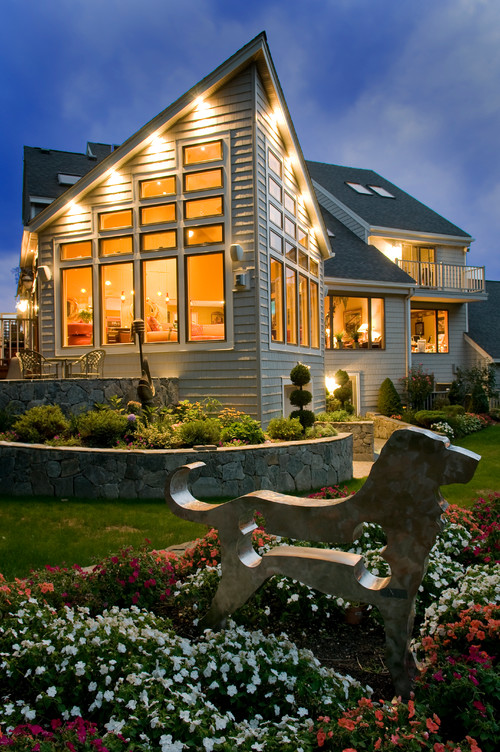
1. Understand Your Dog’s Genetic Blueprint
Before you pick up a shovel or visit the nursery, it is essential to analyze the specific needs of your dog. Just as you would select plants based on your climate zone, you should design your yard based on your dog’s breed and temperament. Terriers, for instance, were bred to hunt vermin and have a deep-seated instinct to dig. Beagles and other hounds are scent-driven and may attempt to follow a trail right through your fence. Retrievers and Spaniels are often drawn to water features like magnets. Recognizing these traits allows you to be proactive rather than reactive.
According to recent veterinary behavioral studies, a bored dog is a destructive dog. If your pet spends their outdoor time pacing or digging up your prize-winning roses, they may be seeking a job to do. Integrating sensory gardens—areas with dog-safe scents like lavender or rosemary—can provide the mental stimulation they crave. When creating a pet-friendly home and yard, the goal is to work with your dog’s personality, not against it. For example, if you have a “patrol dog,” provide them with a clear view of the gate so they don’t feel the need to jump the fence to see what’s happening.
2. Design Strategic “Canine Superhighways”
Dogs are naturally territorial and will often establish a patrol route along the perimeter of the yard. If you try to plant delicate flowers directly in this path, they will inevitably be trampled. The smarter approach is to embrace the “canine superhighway.” Leave a 2-to-3-foot gap between your fence and your garden beds. This gives your dog a dedicated running track where they can guard the property without damaging your landscaping.
When selecting materials for these paths, comfort is key. Hard surfaces like concrete or brick are durable, while smooth river stones and pea gravel are excellent for drainage and are easy on sensitive paw pads. However, avoid sharp crushed stone or wood mulch that can splinter. It is also vital to consider the temperature; dark stones can become dangerously hot in the summer sun. Proper maintenance, including taking care of a dog’s paws after they’ve spent time on rougher terrain, ensures they stay healthy and mobile for years to come.
3. Use Defensive Planting and Hardscaping
If there are specific areas of your garden that are strictly off-limits, you need to create physical and visual cues. Hardscaping is your best friend here. Low decorative stone walls, raised garden beds, and sturdy driftwood can act as psychological barriers that most dogs will respect. If your dog is a jumper, consider the height of these barriers carefully.
For a softer look, “defensive planting” involves using dense, sturdy plants to protect more delicate ones. Tall ornamental grasses, thick shrubs, or even rose bushes (if the thorns aren’t too aggressive) can create a natural hedge that discourages entry. However, beauty should never come at the cost of safety. Many common garden plants, such as lilies, azaleas, and sago palms, are highly toxic to canines. Always cross-reference your nursery list with a guide on 10 common garden hazards to ensure your new additions won’t result in an emergency vet visit.
4. Protect Your Harvest from Furry Foragers
Many dogs are surprisingly fond of fresh produce. From tomatoes to strawberries, a vegetable garden can look like an all-you-can-eat buffet to a hungry Lab or Spaniel. To protect your crop, consider installing a dedicated fence around the vegetable patch. Even a simple 2-foot wire fence is often enough of a deterrent for dogs who aren’t determined jumpers.
Vertical gardening is another excellent solution for 2024. Using trellises for cucumbers and beans or hanging baskets for strawberries keeps the food out of reach while maximizing your growing space. If you find your dog nibbling on leaves, pet-safe bitter sprays (like bitter apple or orange) can be applied to the foliage to discourage the behavior. Remember that some human foods, like onions, garlic, and grapes, are toxic to dogs, so these should always be kept in the most secure areas of the garden.
5. Redirect the Digging Instinct
Digging is one of the most common complaints among pet owners, yet it is often a response to basic needs. Dogs dig to find cool soil on hot days, to hide treasures, or to hunt for underground pests. Instead of punishing the behavior, provide a designated digging pit. A simple wooden box filled with a mixture of play sand and topsoil can save the rest of your yard.
To encourage your dog to use their new sandbox, bury toys or high-value treats just below the surface and praise them when they find them. If your dog is a “fence-line digger” attempting to escape, you may need to bury chicken wire or large stones along the base of the fence to create an impenetrable barrier. Statistics show that escape-related injuries are a leading cause of pet trauma, so securing the perimeter should be a top priority for any dog-scaping project.
6. Manage the “Yellow Spot” Syndrome
Dog urine is high in nitrogen, which acts like a concentrated fertilizer. In small doses, it’s fine, but in concentrated spots, it “burns” the grass, leaving unsightly brown patches. To combat this, many homeowners are switching to more resilient ground covers. Microclover has gained massive popularity in 2024 because it is more resistant to pet urine than traditional Kentucky Bluegrass and requires less water.
Another professional tip is to create a specific “potty zone.” Using a surface like pea gravel or artificial K9 grass allows for easy cleanup and can be hosed down regularly to prevent odors. Training your dog to use this area takes patience but will save your lawn in the long run. Always ensure you have a fresh water source nearby, as a well-hydrated dog has more diluted urine, which is less damaging to plants.
Expert Verdict: The Future of Dog-Scaping
The trend for 2024 and beyond is clearly moving toward integrated pet living. Experts agree that a yard should not be a battleground between humans and animals. By incorporating elements like automated water fountains, shaded “chill-out” zones, and durable pathways, you increase the usable square footage of your home for every family member. Landscape architects now report that “pet-friendly features” are among the top five requests for backyard renovations, alongside outdoor kitchens and fire pits. The verdict is clear: a yard designed for a dog is ultimately a yard that is more functional, durable, and enjoyable for everyone.
Frequently Asked Questions
- Is cocoa mulch safe for dogs?
No, absolutely not. Cocoa mulch contains theobromine, the same chemical found in chocolate that is toxic to dogs. It also has a sweet smell that attracts them. Stick to cedar or hemlock mulch instead. - How do I stop my dog from eating my plants?
Ensure your dog has plenty of physical and mental exercise. Boredom is the primary reason for destructive chewing. You can also use non-toxic deterrent sprays or physical barriers like decorative fencing. - What is the best grass for dogs?
Tall Fescue and Perennial Ryegrass are known for being more durable and urine-resistant. However, many owners are now opting for clover or high-quality artificial turf designed for pets. - Can landscaping improve my dog’s behavior?
Yes. By providing designated areas for digging, running, and sniffing, you provide an outlet for natural behaviors that might otherwise manifest as destructive habits inside the home. - Are there any “dog-proof” plants?
While no plant is 100% dog-proof, sturdy shrubs like Boxwood or certain Viburnums can withstand the occasional bump or spray better than delicate perennials.
Conclusion
Creating a beautiful landscape that accommodates your dog does not require you to sacrifice style or variety. It simply requires a shift in perspective. By viewing your yard through your dog’s eyes, you can identify potential conflict points and turn them into design features. Whether it’s a winding path for a patrol-loving German Shepherd or a cool sandpit for a digging Dachshund, these modifications improve the quality of life for your pet and reduce stress for you. A dog-friendly yard is a testament to the bond we share with our animals—a space where nature and companionship flourish together in perfect, messy, joyful harmony.


