We all know that feeling when summer finally hits: the sun is shining, the days are longer, and there is a certain magic in the air that makes us want to spend every waking moment outside. For those of us who share our lives with dogs, this usually means more adventures, more parks, and more long walks. But as a long-time pet enthusiast who has navigated many scorching seasons, I have learned that the mid-summer sun isn’t always our best friend. When the temperature climbs into the 80s, 90s, and beyond, that daily walk we both look forward to can quickly turn from a bonding experience into a dangerous health risk. The reality of summer pet ownership is that sometimes, the most loving thing you can do for your dog is to keep them inside and find better ways to burn off that boundless energy.
The Biological Reality: Why Dogs Struggle in the Heat
It is vital to understand that dogs do not regulate their body temperature the same way humans do. While we have sweat glands distributed across our skin to help us cool down through evaporation, dogs are limited to sweating through their paw pads—a very small surface area. Their primary cooling mechanism is panting, which is essentially an exchange of warm air from their lungs for cooler air from the environment. However, when the ambient air is thick with humidity or high in temperature, panting becomes significantly less effective. As Dr. Lori Teller from the Texas A&M School of Veterinary Medicine & Biomedical Sciences points out, dogs lack efficient ways to handle excessive heat, making them prone to heat exhaustion and heat stroke much faster than we might realize.
Furthermore, we must consider the pavement temperature. Asphalt and concrete absorb and retain heat, often reaching temperatures 40 to 60 degrees hotter than the air. If the air temperature is 77°F, the asphalt can be a blistering 125°F. In these conditions, a dog’s paw pads can suffer second-degree burns in mere seconds. If it’s too hot for you to hold the back of your hand against the ground for seven seconds, it is far too hot for your dog to walk on.
Identifying High-Risk Breeds and Conditions
While no dog is immune to the heat, certain factors make some pets more vulnerable than others. Brachycephalic breeds—those with flat or smushed faces like Pugs, Boxers, French Bulldogs, and Shih Tzus—have shorter airways that make it incredibly difficult to pant efficiently. These dogs can overheat even in relatively mild temperatures if they are overexerted. Additionally, senior dogs, very young puppies, and obese dogs have lower cardiovascular reserves to handle heat stress. Owners should also be mindful of pets with underlying conditions such as heart disease in dogs or respiratory issues, as these conditions significantly decrease their heat tolerance.
Acclimatization also plays a huge role. If you have recently moved from a cool climate to a tropical or desert environment, your dog needs weeks, not days, to adjust. During this transition, their ability to regulate their temperature is compromised, requiring even more vigilance from the owner.
Indoor Physical Exercise: Keeping the Body Moving
When the sun is beating down, it’s time to bring the gym indoors. You don’t need a massive house to give your dog a workout; you just need to be creative. One of the simplest methods is hallway fetch. Using a soft toy to prevent damage to your walls, toss a ball or plushie down a long hallway or into another room. This allows your dog to sprint and retrieve without the sun’s glare. For multi-story homes, a few controlled trips up and down the stairs can provide excellent cardiovascular and muscle-building exercise, though you should avoid this with senior dogs or those with joint issues.
Another fantastic indoor activity is creating a dog-safe obstacle course. You can use household items like hula hoops for jumping, laundry baskets to weave around, and blankets draped over chairs to create tunnels. This doesn’t just burn calories; it improves your dog’s proprioception and confidence. Some high-energy dogs even enjoy chasing a laser pointer, much like a cat, though I always recommend ending the session by letting them ‘catch’ a physical toy or treat so they don’t experience the psychological frustration of the ‘unreachable’ prey.
Mental Stimulation: The “Invisible” Workout
Many pet owners underestimate the power of mental exercise. I often tell my fellow enthusiasts that fifteen minutes of intense brain work can be just as exhausting for a dog as an hour-long walk. This is the perfect solution for those stagnant, humid afternoons. Nose work or scent games are arguably the best way to tap into a dog’s natural instincts. Hide high-value treats around a room and encourage your dog to “find it.” Start simple and gradually make the hiding spots more challenging.
Puzzle toys and lick mats are also essential tools in your summer arsenal. Filling a toy with peanut butter, yogurt, or wet food and freezing it provides a cooling snack that takes time and mental focus to finish. This type of enrichment lowers cortisol levels and keeps them occupied while you’re avoiding the midday heat. It’s also a great time to focus on grooming and coat health, as a well-maintained coat can actually help insulate some breeds against the heat, provided they aren’t shaved down to the skin inappropriately.
Water Sports and Hydrotherapy
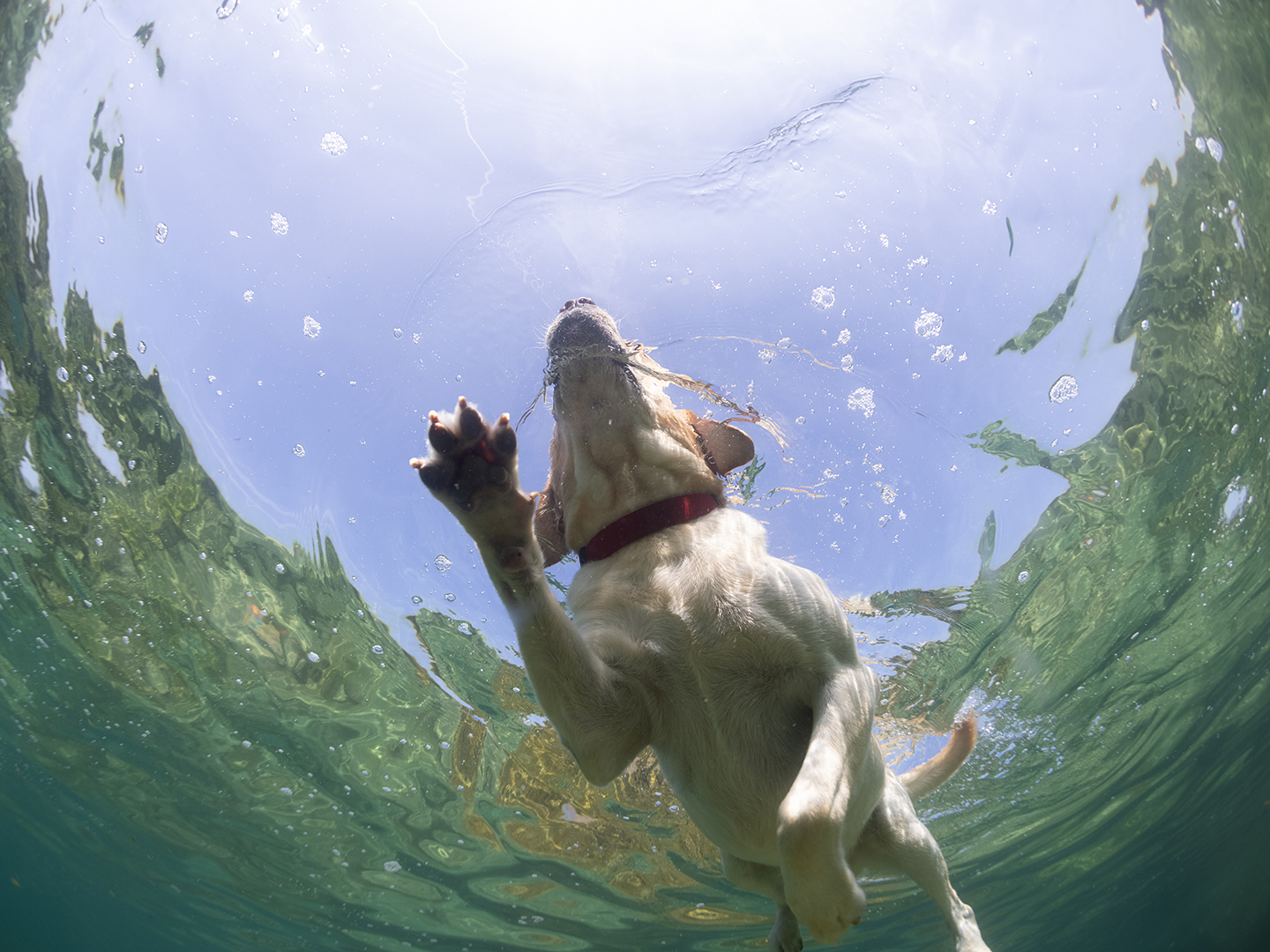
If your dog is a water lover, swimming is the gold standard for summer exercise. It is a low-impact activity that keeps the core body temperature down while providing a full-body workout. Whether it’s a dedicated dog pool, a calm lake, or even a sturdy plastic kiddie pool in a shaded part of the yard, water play is incredibly effective. For the more athletic pups, dock diving has become a popular competitive sport that you can practice in local facilities. Even a simple garden sprinkler can provide a high-energy game of “chase the water” that burns off steam without the risk of burnt paws.
Timing and Safety Outside the Home
If you absolutely must go outside, timing is your most important tool. Limit your outdoor excursions to the early morning (before 7:00 AM) or the late evening (after the sun has set and the pavement has had a chance to cool). Even during these times, keep the walks short and bring plenty of water. If you are traveling, never underestimate the risks of heat build-up. We should always be aware of the safety of leaving dogs in vehicles, as temperatures inside a car can reach lethal levels in under ten minutes, even with the windows cracked.
People Also Ask: Summer Dog Care FAQ
How can I tell if my dog is suffering from heat stroke?
Signs of heat stroke include excessive, heavy panting; bright red or purple gums; thick, ropey saliva; vomiting; diarrhea; and a glassy-eyed expression. If your dog collapses or seems uncoordinated, it is a medical emergency. Immediately move them to a cool area, apply cool (not ice-cold) wet towels to their belly and paws, and get to a veterinarian immediately.
Can I use dog booties in the summer?
Yes! Dog booties aren’t just for snow. High-quality, breathable heat-resistant booties can protect your dog’s pads from hot pavement. However, remember that dogs sweat through their paws, so they should not wear booties for extended periods as it can hinder their ability to cool down naturally.
What is the “Seven Second Rule”?
The seven-second rule is a quick test to see if the ground is too hot for your dog. Place the back of your bare hand on the pavement. If you cannot comfortably hold it there for seven seconds, it is too hot for your dog to walk on.
Is it okay to shave my long-haired dog to keep them cool?
For many double-coated breeds (like Huskies or Golden Retrievers), the coat actually acts as insulation against the heat. Shaving them can lead to sunburn and actually make it harder for them to regulate their temperature. Always consult a professional groomer before making drastic changes to your dog’s coat in the summer.
Expert Verdict and Summary
Summer doesn’t have to be a season of boredom for your dog. While the traditional long afternoon walk might be off the table, this is an excellent opportunity to strengthen your bond through indoor play and mental enrichment. By shifting your schedule to the cooler hours and embracing indoor fetch, scent work, and water play, you can keep your pet physically fit and mentally sharp without risking their life in the heat. Remember, a tired dog is a happy dog, but a safe dog is a dog that will be around for many more summers to come. Stay cool, stay hydrated, and always listen to what your dog’s body language is telling you.


