As a lifelong exotic pet enthusiast and someone who has spent decades observing the quirks of everything from Maine Coons to Macaws, I find the upcoming solar eclipse to be one of the most fascinating events on the calendar. On April 8, a path of totality will sweep across 13 U.S. states, turning midday into a temporary twilight. While we humans are busy hunting for ISO-certified glasses and finding the perfect viewing spot, our animal companions are experiencing the world in a very different way. For them, the sun isn’t just a celestial body; it is the ultimate timekeeper. When that clock suddenly skips several hours ahead in the span of a few minutes, the biological confusion can be profound.
The Biological Clock: Understanding the Circadian Disruption
To understand how animal behavior during a solar eclipse changes, we first have to understand the circadian rhythm. Most animals, whether they are your household golden retriever or a herd of cattle in a Texas pasture, rely on light cues to regulate their daily cycles of eating, sleeping, and activity. When the moon glides in front of the sun, blocking its rays and plummeting the temperature, it sends a false signal to the brain that the day has ended.
For many pets, this isn’t just a “cool light show.” It is a disorienting event that can trigger ancient survival instincts. In my experience with exotic species, they are often much more sensitive to these subtle environmental shifts than we give them credit for. The sudden drop in light and temperature can mimic the onset of a severe storm, which is a major trigger for animals with existing anxieties.
Domestic Pets: Dogs, Cats, and the Storm Anxiety Connection
Dr. Kristina Paradowski from the Texas A&M School of Veterinary Medicine & Biomedical Sciences points out a critical factor: the conditioned response to darkness. In nature, a sudden mid-day darkening often precedes a heavy thunderstorm. If you have a dog that shakes at the first rumble of thunder, they may perceive the eclipse as the “quiet before the storm.” This can lead to classic signs of distress, such as whining, pacing, panting, or seeking out a “safe space” under the bed or in a closet.
Cats, ever the enigmatic observers, may react differently. While some might simply take the opportunity for an extra nap, others may become hyper-aware of the shift in atmospheric pressure and light. Because many owners travel or host parties for these events, the added noise and traffic can exacerbate feline stress. If you’re concerned about your cat’s reaction to environmental changes, it’s a good idea to focus on how to keep your pet safe in crowded areas or high-traffic situations, as keeping them indoors is the safest bet during the chaos of an eclipse event.
The Feathered Perspective: Exotic Bird Behavior During Totality
If you share your home with an exotic bird, you likely already know how much they rely on light. Birds are highly photoperiodic creatures. During my years of bird keeping, I’ve noticed that even a heavy cloud cover can change their mood. During a solar eclipse, the reaction from birds is often the most dramatic among all household pets.
As the light dims, birds may begin their evening vocalizations, thinking it’s time to settle in for the night. They might seek out their favorite perch or head back to their cage. However, as totality hits and the world goes silent, the birds often go silent too. This “false dusk” followed by a “false dawn” just minutes later can be exhausting for them. To better prepare for your bird’s reactions, it helps to be familiar with understanding the unique vocalizations of exotic birds so you can distinguish between their normal evening chatter and signs of genuine distress or confusion.
Large Animals and Livestock: Safety in the Path of Totality
For those of us who also manage livestock or live near farms, the eclipse presents a different set of challenges. Large herd animals like cattle and horses are incredibly sensitive to changes in light. Dr. Isabelle Louge notes that their reactions can range from simple confusion to erratic, spooked movements. In a state of panic, a horse might bolt, making them susceptible to injuries from fences, ravines, or potholes.
The best course of action for large animals is to keep them in a familiar, hazard-free environment. Avoid working with your horses or moving cattle during the window of the eclipse. Let them stay with their herd in a pasture they know well. The presence of their companions will help ground them, even if the sky is doing something they don’t understand. Avoid using artificial flashes of light or loud noises, as these can further startle an already confused animal.
The Question of Eye Safety: Do Pets Need Eclipse Glasses?
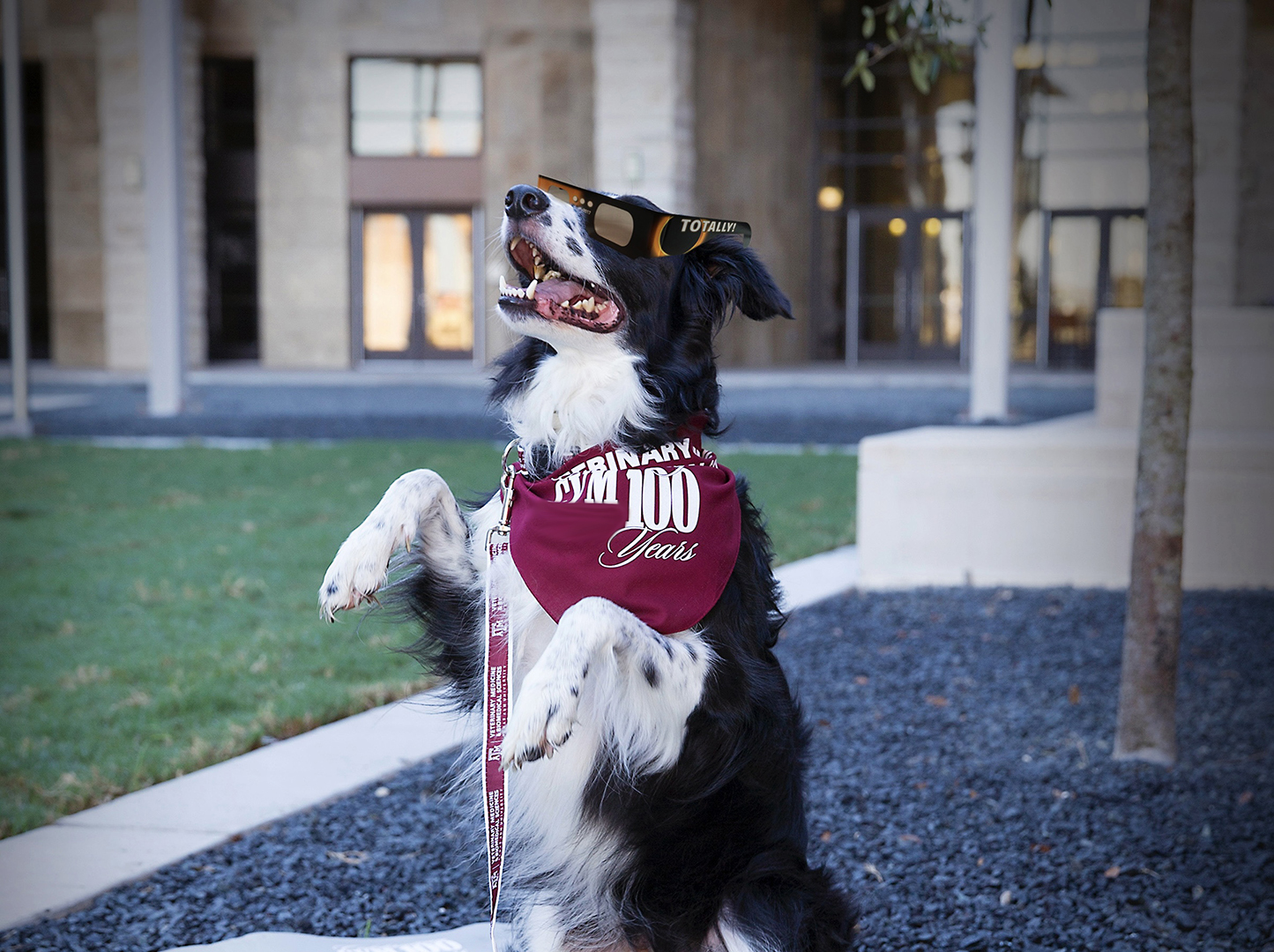
We’ve all seen the funny photos of dogs wearing sunglasses, but when it comes to a solar eclipse, the question is serious: do they need protection? Generally, pets do not naturally stare at the sun. They don’t share our human curiosity about celestial mechanics. However, they are experts at following our lead. If they see you staring intensely at the sky, they might follow your gaze out of curiosity.
While there isn’t extensive research on eclipse-related retinal damage in pets, the risk remains. It is always better to err on the side of caution. If you are worried about your pet’s vision or notice any changes in their eye health after the event, it is worth brushing up on common eye problems in dogs to ensure you can spot any signs of irritation or damage early on. During the peak of the eclipse, keeping your pet’s attention focused on a toy or a treat at ground level is the safest strategy.
Crowds, Traffic, and States of Emergency
In many regions, like Bell County in Central Texas, local authorities are declaring states of emergency not because of the sun, but because of the people. The influx of tourists can lead to massive traffic jams and potential shortages of supplies. As a responsible pet owner, your eclipse planning should include more than just your own viewing gear.
- Stock Up: Ensure you have at least two weeks of food, water, and essential medications for all your pets.
- Stay Local: Avoid taking your pets to public viewing events. The combination of strange darkness, cheering crowds, and unfamiliar dogs can be a recipe for a panic-induced flight or aggression.
- Indoor Security: Keep cats and smaller pets safely tucked away inside. The increased road traffic during totality (and the hours surrounding it) significantly increases the risk of accidents for roaming animals.
People Also Ask (FAQ)
Will my dog go blind if they look at the solar eclipse?
While it is possible for pets to suffer retinal damage from staring at the sun, they rarely do so voluntarily. The greatest risk is if you encourage them to look up or if they follow your gaze for an extended period. Keep them occupied with treats or toys during the peak of the event.
Why is my bird being so loud before the eclipse?
Birds often increase their vocalizations as light levels change, mimicking their natural morning or evening “dawn and dusk” choruses. They are essentially communicating the change in light to the rest of their flock.
Can I leave my pet outside during the eclipse?
It is generally safer to keep pets indoors. The sudden darkness can cause confusion, leading some animals to try and escape or hide in dangerous locations. For livestock, ensure their outdoor area is free of hazards.
Does a solar eclipse affect pet behavior long-term?
Most animals return to their normal routines almost immediately after the sun reappears. The effects are typically short-lived, though animals with severe anxiety may take a few hours to fully settle back down.
Expert Verdict: A Moment for Observation, Not Stress
As we approach this incredible event, the key takeaway for any pet owner is routine. Animals thrive on predictability. While the solar eclipse is a disruption that we cannot control, we can control how we react to it. By staying calm, maintaining our pets’ feeding and walking schedules as much as possible, and providing a secure environment, we allow them to weather the celestial event with minimal stress.
For those of us in the path of totality, it’s a unique opportunity to witness the wonders of nature. Just remember that while you are looking at the sky, your pet is looking at you. Be their calm in the (temporary) dark, and you will both come out of the experience just fine. If your pet does show signs of lingering anxiety, plenty of physical touch and perhaps a few extra high-value treats will go a long way in reassuring them that the sun is, indeed, coming back to stay.
Final Takeaways for Pet Owners
- Keep it quiet: Avoid large crowds and stay home with your pets if possible.
- Watch the birds: Expect a period of intense vocalization followed by total silence.
- Secure the perimeter: Ensure all gates are locked and indoor pets are confined to prevent escape during periods of confusion.
- Prepare for the human element: Stock up on pet supplies early to avoid the rush of eclipse-induced traffic and shortages.


