For many pet owners, the image of a dog leaping joyfully into a lake is the quintessence of summer. There is a long-standing myth that all dogs are born with an innate ability to swim—a biological ‘doggy paddle’ hardwired into their DNA. However, the reality is far more nuanced. While many breeds are evolutionary marvels in the water, others are physically built to sink rather than swim. Understanding your dog’s unique physical limitations, genetic predisposition, and comfort level is not just a matter of fun; it is a critical component of responsible pet ownership. As we navigate the warmer months of 2024, veterinary experts are emphasizing that ‘natural instinct’ does not always equate to ‘safety.’ In this comprehensive guide, we will dive deep into the science of canine swimming, identify which breeds are water-ready, and outline the essential safety protocols to keep your furry friend safe around pools, lakes, and oceans.
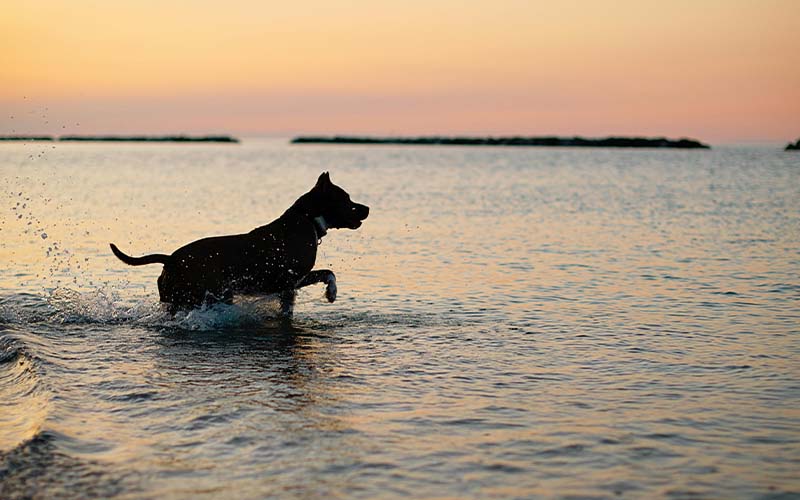
The Evolution of the Canine Swimmer: Why Some Breeds Excel
It is no coincidence that certain dogs look like they belong in the water. For centuries, humans have selectively bred dogs for specific tasks, many of which required aquatic proficiency. Breeds like the Labrador Retriever and the Chesapeake Bay Retriever were developed to assist hunters by retrieving waterfowl from icy marshes. These dogs possess specialized physical traits, such as webbed toes that act like flippers and a ‘rudder-like’ tail that helps them steer through currents.
Beyond their skeletal structure, these breeds often feature a ‘double coat’—a dense, oily undercoat that provides insulation and a water-resistant outer layer. This prevents their skin from getting soaked and helps them maintain a stable body temperature in cold environments. If you are keeping a cat and Labrador puppy together at home, you may notice the puppy instinctively gravitates toward any source of water, from the garden hose to the kitchen sink, showcasing this deep-seated genetic drive.
Other natural swimmers include the Newfoundland, famously known as the ‘lifeguard dog’ due to its massive lung capacity and powerful breaststroke, and the Portuguese Water Dog, which was historically used to herd fish into nets. For these breeds, swimming is second nature, but even they require supervision to prevent exhaustion.
The Sinkers: Breeds That Struggle to Stay Afloat
On the opposite end of the spectrum are breeds that find water quite treacherous. Physical anatomy plays the largest role here. Dogs with brachycephalic (flat-faced) features, such as Pugs and French Bulldogs, face significant challenges. Their short snouts make it difficult to keep their airway above water without tilting their heads back at an extreme angle, which causes their rear ends to sink, leading to a vertical ‘panic’ position in the water.
Similarly, dogs with long bodies and very short legs, such as the Corgi or the Miniature Dachshund, lack the leverage needed to propel themselves effectively. Their heavy torsos often outweigh the paddling power of their limbs. Other ‘sinkers’ include the Basset Hound, whose heavy bone structure and long ears (which can become waterlogged) make swimming nearly impossible. For these dogs, even a shallow pool can be life-threatening without a high-quality canine life jacket.
Health Considerations and 2024 Safety Trends
Even if a dog is genetically predisposed to swim, their health status can change everything. In 2024, veterinarians are seeing an increase in water-related accidents involving senior dogs or those with undiagnosed conditions. Conditions such as arthritis can significantly reduce a dog’s range of motion, making it harder to paddle. Furthermore, dogs with heart disease may lack the cardiovascular endurance required for swimming, leading to rapid fatigue and potential drowning.
One of the most pressing environmental concerns this year is the rise of cyanobacteria (blue-green algae) blooms in freshwater lakes. These blooms are highly toxic to dogs, and even a quick dip can lead to neurological issues or liver failure if the dog licks its fur afterward. Always check local environmental advisories before letting your dog enter natural bodies of water.
Signs Your Dog is Enjoying the Water
- Willing Entry: The dog approaches the water without being lured or forced.
- The ‘Happy’ Tail: A relaxed, wagging tail while paddling indicates a lack of stress.
- Controlled Breathing: If the dog is not gasping or frantically splashing, they are likely comfortable.
- Engagement: Bringing back a toy or chasing waves shows they view the water as a play zone.
How to Safely Introduce Your Dog to Swimming
If you want to teach your dog to swim, the process must be gradual. Never throw a dog into the water to ‘see if they can swim.’ This can cause psychological trauma and a lifelong fear of water. Instead, start in a shallow area where the dog can stand. Use high-value treats or their favorite floating toy to encourage them to go deeper.
Investing in a canine life jacket is recommended for all dogs, regardless of breed. A life jacket provides buoyancy and usually features a handle on the back, allowing you to lift your dog out of the water quickly if they become tired. Modern 2024 designs even include chin flaps to help brachycephalic breeds keep their noses above the waterline.
Expert Review: The Verdict on Canine Aquatic Activities
Expert animal behaviorists and veterinarians agree: swimming is one of the best forms of low-impact exercise for dogs, especially those needing weight management or physical therapy. However, the “one size fits all” approach to dog swimming is dangerous. A study of emergency veterinary visits suggests that nearly 20% of near-drowning incidents occur in backyard pools where owners assumed the dog ‘knew’ how to get out. Teaching your dog how to find the steps or the ramp in a pool is just as important as teaching them how to paddle.
Frequently Asked Questions (FAQ)
1. Can all dogs learn to swim with enough practice?
No. While most dogs can be taught to be comfortable around water, some breeds (like Bulldogs) are physically incapable of swimming safely without a flotation device. Their anatomy simply doesn’t allow for the necessary buoyancy.
2. Is chlorine in swimming pools safe for dogs?
Occasional swimming in chlorinated water is generally safe, but you should always rinse your dog off afterward to prevent skin irritation. Discourage them from drinking the pool water, as the chemicals can cause upset stomachs.
3. What is ‘secondary drowning’ in dogs?
Secondary drowning occurs when a dog inhales a small amount of water, which then causes inflammation or fluid buildup in the lungs hours or even days after the swimming session. If your dog has a near-drowning experience or coughs significantly after swimming, see a vet immediately.
4. How long should a dog swim for?
Swimming is very strenuous—ten minutes of swimming can be as tiring as a 45-minute walk. Start with 5-10 minute sessions and watch for signs of a ‘low tail’ or heavy panting, which indicate exhaustion.
5. Are life jackets necessary for ‘natural’ swimmers like Labradors?
Yes, especially in open water like oceans or fast-moving rivers. Even the best swimmer can get caught in a rip tide or suffer from a cramp. A life jacket provides that extra layer of safety.
Conclusion
Whether your dog is a natural-born ‘water baby’ or a cautious ‘land lubber,’ their safety depends entirely on your awareness. By recognizing the physical traits of your breed and being mindful of their health and the environment, you can ensure that water activities remain a fun and enriching part of their life. Always supervise your pet, invest in the right gear, and remember that for some dogs, the best way to enjoy the beach is from the safety of a comfortable towel on the sand.


