With a coat the color of a storm cloud and a persistent, enigmatic grin, the Chartreux cat stands out as one of the most mysterious and cherished breeds in the feline world. Often referred to as the “Blue Cat of France,” this breed is more than just a beautiful face; it is a living piece of history. Legend has it that these cats lived alongside Carthusian monks, maintaining a vow of silence just like their human companions. While that particular myth is debated among historians, there is no denying the Chartreux’s quiet, observant nature. They are the quintessential “lap cats” for those who appreciate a companion that is present without being demanding. In this comprehensive guide, we will explore the physical nuances, gentle temperament, and specific health needs of the Chartreux, ensuring you have all the information needed to welcome this Gallic gem into your home.
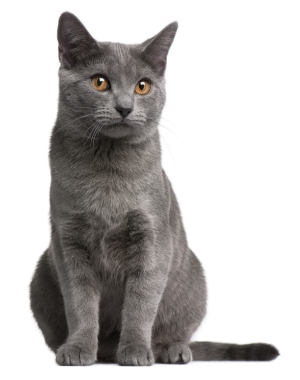
The Distinguishable Appearance of the Chartreux
One of the first things you will notice about the Chartreux is its sturdy, robust build. Breeders often describe them as a “potato on toothpicks” because of their heavy, muscular bodies supported by relatively short, slender limbs. Despite their somewhat stocky appearance, they are incredibly agile and powerful. A male Chartreux typically weighs between 10 to 17 pounds, while females are more petite, ranging from 7 to 10 pounds. Their heads are broad and rounded, tapering into a well-developed jaw that gives them that famous “smiling” expression.
The eyes are perhaps the most striking feature after the coat. Deep orange, copper, or gold, their gaze is piercing and intelligent. These eyes are set into a face that features small-to-medium ears set high on the head, giving the cat an alert and inquisitive look. Every point of their conformation—from the deep chest to the small, round paws—suggests a breed that was built for both endurance and elegance.
The Woolly Blue Coat
The Chartreux is defined by its medium-short double hair coat. This coat is unique; it is woolly, plush, and incredibly soft to the touch. Because it is a double coat, it has a water-resistant quality that likely protected the breed during centuries of living in the varying climates of France. The color is strictly limited to shades of blue-gray, often highlighted with silver tips that give the cat an ethereal shimmer in the right light.
Owners should be aware that a Chartreux’s coat is a work in progress. It can take up to five years for the coat to fully develop its adult texture and color. During the kitten stages, the fur may appear thinner or show “ghost stripes,” but these eventually fade into the solid, luxurious blue-gray that the breed is famous for.
Temperament: The Quiet Companion
The behavior of a Chartreux is often described as gentle and placid. They are rarely vocal, preferring to communicate through their expressive eyes or a subtle chirp rather than a loud meow. If you are interested in understanding how they tell you what they want, you will need to pay close attention to their body language. They are known to follow their favorite humans from room to room, acting as silent observers of daily household life.
Don’t let their calm demeanor fool you, however. The Chartreux is a legendary mouser. Their history as working cats in French monasteries and farms has left them with a high prey drive and impressive reflexes. They love interactive play, particularly games that involve “hunting” feathered toys or chasing laser pointers. They are highly intelligent and adaptable, making them excellent pets for families with children or other animals, provided they are introduced properly.
Grooming and Maintenance
For most of the year, the Chartreux is a relatively low-maintenance breed. Their short coat does not mat easily, but because of its density, it does require regular brushing to remove dead hair. They are heavy seasonal shedders, usually in the spring and autumn. During these times, daily brushing is essential to manage the volume of fur and prevent hairballs. While they are generally clean, you might occasionally find the need for a full wash; learning how to give your cat a bath properly can save you a lot of stress if your blue-gray friend gets into something messy.
In addition to coat care, general hygiene is vital. This includes regular nail trimming and ear cleanings. Because they are indoor-heavy cats, choosing the right litter for your cat is also a priority to ensure they stay comfortable and maintain their pristine coat. You can find more tips on choosing the right litter for your cat to keep their environment as clean as their fur.
Common Health Considerations
While the Chartreux is a sturdy and generally healthy breed, they are predisposed to certain genetic conditions. According to veterinary data and insurance claim trends through 2024, the most common issues seen in this breed include:
- Patellar Luxation: A condition where the kneecap slips out of place. It is often hereditary and can range from mild to requiring surgical intervention.
- Polycystic Kidney Disease (PKD): Though more common in Persians, it has been noted in some Chartreux lines. Responsible breeders now screen for this.
- Struvite Stones: Like many purebred cats, the Chartreux can be prone to urinary tract issues. Maintaining a high-quality diet and ensuring constant access to fresh water is critical.
- Obesity: Because of their placid nature, they can easily become overweight. Monitoring caloric intake and encouraging play is essential for their longevity.
Investing in pet insurance early in your cat’s life can help mitigate the costs of these conditions. Many owners find that a policy covering hereditary conditions and accidents provides peace of mind, especially given the rare nature of this breed.
Expert Review: The Verdict on the Chartreux
Experts and veterinarians, including the insights provided by Dr. Fiona Lee, DVM, emphasize that the Chartreux is an ideal pet for those who want a “dog-like” cat. They are loyal, they learn their names quickly, and they are surprisingly hardy. Their adaptable nature makes them suitable for apartment living or large homes alike. However, they do not enjoy being left alone for long periods. They crave human affection, even if they aren’t vocal about it.
The “expert verdict” is that the Chartreux is a high-value companion breed. They offer the perfect balance of independence and devotion. If you are looking for a cat that is as beautiful as a piece of art but as sturdy as a working animal, the Chartreux is an unbeatable choice.
Frequently Asked Questions (FAQ)
Are Chartreux cats the same as Russian Blues?
No. While both are blue-gray, the Chartreux has a much more robust, muscular build and orange/copper eyes. The Russian Blue is more slender (svelt) and typically has green eyes.
Do Chartreux cats shed a lot?
Yes, they are heavy seasonal shedders due to their thick double coat. While weekly brushing suffices most of the year, they need daily attention during the spring and fall.
Are they good with children?
Generally, yes. Their calm and patient temperament makes them very tolerant of children. However, as with all pets, interactions should be supervised to ensure the cat is treated gently.
How long do Chartreux cats live?
A healthy Chartreux can live between 12 and 15 years, with some reaching even older ages with proper veterinary care and a healthy diet.
Are they hypoallergenic?
No, the Chartreux is not hypoallergenic. Their thick double coat produces dander, which is the primary cause of allergies in humans.
Conclusion
The Chartreux is a remarkable breed that brings a touch of French elegance and a wealth of history into any home. From their striking blue-gray fur to their silent but loving personality, they truly are a unique feline companion. By understanding their grooming needs, monitoring their health, and providing them with the affection they crave, you will be rewarded with a loyal friend for many years to pipe. Whether they are “smiling” at you from across the room or following you into the kitchen, the Chartreux is a testament to why we fell in love with cats in the first place.


