Selecting the right collar and leash for your pet is an essential milestone in pet ownership that blends aesthetics with fundamental safety. While it is often tempting to choose an ensemble based solely on fashion or color, the physiological and behavioral impact of these tools cannot be overstated. From the bustling urban streets of New York to the quiet trails of the Pacific Northwest, keeping your pet securely tethered is not just a matter of safety—it is often a legal requirement. Statistics from 2023 indicate that nearly 15% of lost pet cases involve equipment failure or improper fit, emphasizing the need for precision when selecting gear. Whether you are navigating the energetic puppy stage or caring for a refined senior cat, understanding the mechanics of control and comfort is vital for pet health and long-term safety. This comprehensive guide explores the nuances of modern pet gear to help you make an informed decision.
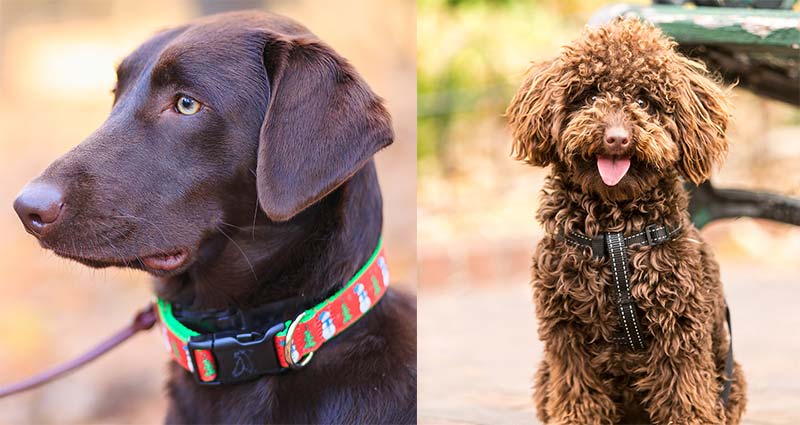
The first rule of thumb in selecting equipment is understanding the relationship between the pet’s size and the material’s durability. Smaller dogs and cats possess delicate cervical structures that require thinner leashes and lightweight collars with miniaturized clasps. Conversely, a large breed like a German Shepherd or a Great Dane requires high-tensile materials, often reinforced with double-stitching and heavy-duty metal hardware. To ensure a safe fit, the industry standard remains the ‘two-finger rule’: you should be able to comfortably slide two fingers between the collar and your pet’s neck. A fit that is too tight can lead to skin irritation, fur loss, and even chronic neck pain. Conversely, a loose collar poses a significant flight risk, as many pets can ‘slip’ the collar when pulling backward in a moment of panic. For pets with sensitive skin, it is worth considering hypoallergenic dog collars which prevent the chafing and dermatitis often seen with low-quality nylon.
The Risks of Leash Tension and Tracheal Health
One of the most critical health considerations in leash selection is the prevention of tracheal collapse, a condition particularly common in toy breeds. When a dog pulls or an owner jerks a traditional collar, the pressure is concentrated directly on the windpipe. Over time, this can lead to a persistent honking cough and respiratory distress. If your pet routinely ignores commands or exhibits high prey drive, a traditional neck collar may not be the safest primary restraint. In these instances, experts recommend transitioning to positive reinforcement techniques and specialized training gear. Understanding why dog training is so important can help owners realize that the leash is a communication tool, not just a tether. For persistent pullers, a veterinarian might suggest a prong or pinch collar for specific training sessions, but these should always be used under professional guidance to avoid physical or psychological harm.
Harnesses: The Safer Alternative for Small Breeds and Cats
For many pets, especially small dogs and cats, a harness is the gold standard for safety. By distributing pressure across the chest and shoulders rather than the neck, harnesses significantly reduce the risk of impact-related injuries. If you find yourself needing to quickly lift your small dog away from a dangerous encounter—such as a larger aggressive animal or a moving vehicle—a harness allows you to do so without the risk of strangulation. Harnesses are also becoming increasingly popular for cats, providing them the freedom to explore outdoor environments or navigate stressful locations like airports and veterinary clinics while remaining securely attached. When selecting a harness, ensure it does not restrict the natural movement of the shoulder blades, as poor ergonomics can lead to gait issues over time.
Advanced Control: Head Halters and Training Leads
The head halter, or ‘gentle leader,’ operates on the same principle as a horse’s halter: where the nose goes, the body follows. This tool is exceptionally effective for large, powerful dogs that are difficult to manage on a standard collar. A strap wraps around the muzzle, allowing the owner to redirect the dog’s head with minimal effort. However, there is an acclimation period; many dogs initially resist the sensation of the strap on their snout. It is crucial to never use a ‘jerk-and-release’ motion with a head halter, as the leverage could cause severe cervical spine injuries. These should be treated as training tools rather than ‘all-day’ collars and should be removed once the walk or training session is complete.
The Retractable Leash Controversy
Retractable leashes remain a polarizing topic among pet professionals. While they offer pets up to 26 feet of freedom to roam and sniff, they often compromise the owner’s ability to react quickly to hazards. The thin cord can cause severe friction burns or even degloving injuries if it wraps around a finger or a pet’s limb. Furthermore, the further your dog is from you, the less control you have in an emergency. In high-traffic urban areas or crowded parks, a fixed-length leash of four to six feet is almost always the safer choice. If you do choose a retractable model, reserve its use for wide-open spaces where the risk of entanglement is low.
Modern Technology and Maintenance
As we move through 2024, the integration of technology into pet gear has reached new heights. Smart collars equipped with GPS and biometric sensors are becoming more common. When deciding on these high-tech options, it is helpful to review GPS collar costs and long-term benefits versus traditional containment systems. Regardless of the technology, basic maintenance is non-negotiable. Inspect your gear weekly for frayed threads, rusted metal rings, or weakened plastic buckles. Environmental factors like salt water and UV rays can degrade nylon and leather surprisingly quickly. Additionally, ensure that ID tags are legible and microchip information is current; these are the final line of defense if your pet manages to escape their physical restraints.
Expert Verdict
The ‘perfect’ collar and leash setup is highly individual. For most active dogs, a combination of a flat breakaway collar for ID tags and a front-clip harness for walking is the most versatile setup. For cats, an ‘H-style’ harness provides the best security against escaping. Always prioritize high-visibility, reflective materials if you walk your pet during dawn or dusk. Ultimately, the best gear is that which facilitates a stress-free bond between you and your companion.
Frequently Asked Questions
- How often should I replace my pet’s collar? You should inspect it monthly and replace it immediately if you see fraying, cracks in leather, or if the buckle doesn’t ‘click’ securely. Typically, a high-quality collar lasts 1-2 years.
- Can my cat wear a dog collar? Generally, no. Cat collars should have a ‘breakaway’ buckle to prevent hanging if they get caught while climbing. Dog collars do not have this safety feature.
- Is a leather leash better than nylon? Leather is more durable and often easier on the owner’s hands, but it requires maintenance (conditioning) and is not ideal for wet environments. Nylon is versatile and washable.
- Why does my dog flip over when I pull the leash? This is often a sign of a ‘leash reactivity’ or a balance issue. Consider a professional trainer to work on leash manners.
- Are prong collars cruel? When used correctly by a professional, they are a communication tool. However, for the average owner, they pose a risk of injury and are often unnecessary if modern positive reinforcement gear is used.
Conclusion
Choosing the correct collar and leash is a foundational aspect of responsible pet ownership. By selecting gear that respects your pet’s anatomy, behavior, and environment, you ensure that every walk is a safe and enriching experience. Remember that equipment is only one half of the equation; consistent training and a deep understanding of your pet’s needs complete the picture. Stay vigilant, check your gear often, and enjoy the many adventures ahead with your furry friend.


