Dachshunds might be known by humorous nicknames like low riders, wiener dogs, and sausage dogs, but their history as formidable hunters is no laughing matter. Originating in Germany, these dogs were specifically engineered for a high-stakes job: subterranean hunting. Their short legs and long, muscular frames made Dachshunds ideal for working in tight spaces and burrowing into badger dens to flush out game. In fact, their name literally translates to “badger dog” in German. While they have transitioned from the rugged forests of Europe to the cozy living rooms of modern pet parents, their courageous and independent spirit remains fully intact.
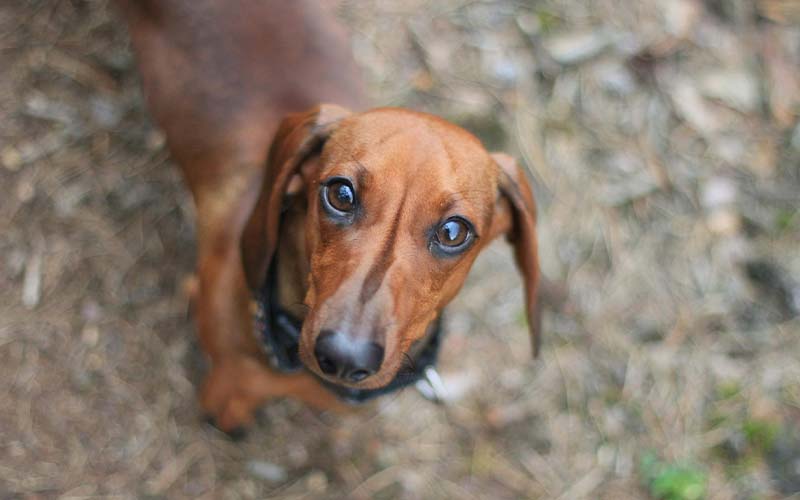
Their unique appearance is undeniably beguiling, which is a primary reason why Dachshunds consistently rank among the most popular dog breeds in the United States according to the American Kennel Club (AKC). However, owning one of these iconic dogs requires more than just an appreciation for their aesthetic. It demands an understanding of their deep-seated hunting instincts, specific orthopedic needs, and surprisingly big personalities. Whether you are looking at a standard or a miniature variety, these dogs bring a unique energy to any home they enter.
A Deep Dive into Dachshund History: From Badgers to Royalty
Dachshunds, often affectionately called doxies, are believed to be a sophisticated mix of hound and terrier breeds. This genetic blend was intentional; breeders sought the tracking ability of a hound and the tenacity and digging prowess of a terrier. The result was a dog of perfect stature to navigate dense undergrowth and navigate tight, underground tunnels. Beyond their physical shape, they were bred to possess a loud, rhythmic bark, often referred to as a “bay,” which allowed their human hunting partners to locate them while they were deep underground tackling fierce badgers.
While historical etchings of short-legged dogs date back to the 1500s, the modern Dachshund we recognize today began to take shape in the 1700s and 1800s. Early descriptions focused on smooth-coated dogs with long, slender bodies. It wasn’t until the mid-19th century that illustrations of wirehaired and longhaired varieties became common, leading to the official establishment of breed standards in 1882. Their popularity soared when they became favorites of British royalty, most notably Queen Victoria, who famously owned and loved the breed.
The breed faced a significant crisis during World War I and World War II due to their strong association with Germany. Public sentiment led to a sharp decline in their numbers, with only 23 Dachshunds registered with the AKC in 1923. Fortunately, the breed’s undeniable charm led to a massive resurgence. Today, they are celebrated globally for their spunky, outgoing, and loyal nature. For owners specifically interested in the smaller varieties, our miniature dachshund care guide offers deeper insights into their unique requirements.
Physical Characteristics and the Three Sizes
Dachshunds are unique in that they are classified not just by size, but by coat type. Globally, there are different standards for these categories. The AKC recognizes two sizes: Standard (16 to 32 pounds) and Miniature (11 pounds and under). However, in Europe and under the Federation Cynologique Internationale (FCI) standards, there is a third, even smaller size known as the “rabbit” Dachshund (Kaninchendackel), which is measured by chest circumference rather than weight.
Their coats are equally varied, coming in three distinct textures: Smooth, Wirehaired, and Longhaired. The smooth variety is the most classic, requiring minimal maintenance. Wirehaired Dachshunds have a thick, rough outer coat with a softer undercoat and the iconic “beard.” Longhaired Dachshunds possess elegant, wavy fur that gives them a softer appearance. Colors range from red and cream to black and tan, chocolate, and even blue or Isabella (fawn). Patterns like dapple (merle), piebald, and brindle add even more visual variety to the breed.
Understanding the ‘Big Dog’ Temperament
The most common description of a Dachshund is a “big dog in a small body.” They are famously independent, stubborn, and highly intelligent. Because they were bred to make their own decisions while hunting underground, they don’t always look to their owners for direction, which can make training a challenge. They are intensely courageous and will not hesitate to protect their family or alert them to a stranger with a bark that sounds much larger than they are.
This intelligence means they require significant mental stimulation. Dachshunds that are left alone for long periods or bored may develop separation anxiety or destructive behaviors like digging and chewing. Remember, digging is in their DNA! Providing appropriate outlets for this instinct, such as specialized toys or designated digging spots, can save your garden or furniture. Despite their fiery side, they are incredibly affectionate and often want nothing more than to burrow under a blanket next to their favorite human.
Health and Longevity: Protecting the ‘Long Back’
Dachshunds are generally a long-lived breed, with an average lifespan of 12 to 16 years. However, their unique anatomy makes them prone to specific health issues. The most significant concern is Intervertebral Disc Disease (IVDD). Approximately 25% of Dachshunds will experience IVDD, a condition where the discs between the vertebrae rupture or bulge, pressing on the spinal cord. This can cause extreme pain and, in severe cases, paralysis. While they are long-lived, learning how to extend your pet’s lifespan through proper weight management and spinal care is crucial for this breed.
Other health considerations include Cushing’s Disease, which involves an overproduction of steroid hormones, and Mitral Valve Disease. Because they are predisposed to heart issues, it is vital to understand heart disease in dogs and its early warning signs like coughing or lethargy. Obesity is perhaps the greatest threat to a Dachshund, as even a few extra pounds put immense strain on their long spine. Regular veterinary checkups and a strictly monitored diet are essential components of their care.
Grooming and Exercise Requirements
Grooming needs depend heavily on the coat type. Smooth-coated Dachshunds are “wash and go” dogs, needing only occasional brushing. Wirehaired dogs require “stripping” several times a year to maintain their coat texture, while longhaired varieties need weekly brushing to prevent mats and tangles. All varieties require regular nail trims, as long nails can change the way the dog walks, adding further stress to their joints.
Exercise should be moderate but consistent. A 30 to 60-minute walk daily is usually sufficient. It is vital to avoid high-impact activities; jumping off a couch or running down steep stairs can trigger a back injury. Many owners utilize pet ramps to help their doxies navigate the home safely. Training should focus on positive reinforcement, as their stubborn nature responds poorly to harsh corrections but very well to high-value treats.
Expert Review: Is a Dachshund Right for You?
Expert veterinarians and breed enthusiasts agree that the Dachshund is a rewarding but demanding companion. They are ideal for individuals or families who can spend significant time with them and who are willing to commit to the preventative care required for their backs. They are excellent for apartment living due to their size, provided their barking is managed through training. However, their prey drive remains high, so they should always be leashed when not in a fenced area.
Frequently Asked Questions
- Are Dachshunds good with children? Yes, but with supervision. Because of their fragile backs, children must be taught how to hold them properly (supporting both the chest and the rear).
- How do I prevent IVDD? Keep your dog at a lean weight, use ramps instead of stairs, and use a harness instead of a collar to reduce neck strain.
- Do they bark a lot? Yes, they are natural watchdogs and will bark at noises or strangers. Consistent training from a young age can help manage this.
- Are they hard to housebreak? They can be. Their stubbornness and dislike for cold or wet weather sometimes makes potty training a test of patience.
Conclusion
The Dachshund is a breed of remarkable history and even larger personality. From their origins as brave badger hunters to their current status as beloved family members, they have proven themselves to be versatile, loyal, and endlessly entertaining. By understanding their specific health needs and respecting their independent nature, you can enjoy a long and happy life with your very own “low rider.”


