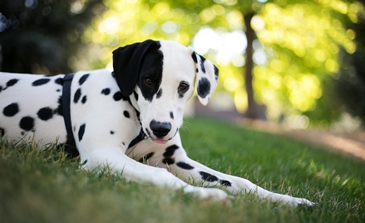
With their striking black or liver-colored spots against a pristine white coat, the Dalmatian is perhaps one of the most recognizable dog breeds in the world. Often associated with firefighting history and cinematic fame, these elegant canines are far more than just a pretty face. Originally bred as carriage dogs, Dalmatians possess an incredible amount of stamina, intelligence, and a protective nature that makes them excellent companions for active households. However, owning a Dalmatian is not without its unique challenges. From their specialized dietary needs to their high energy levels, understanding the nuances of this breed is critical for any prospective owner. In this comprehensive 2024 guide, we will explore everything you need to know about the Dalmatian, ensuring you are prepared for the rewarding journey of raising one of these spotted wonders.
The Storied History of the Dalmatian
The origins of the Dalmatian are shrouded in some mystery, though historical records and artwork suggest they have existed for centuries. While named after the region of Dalmatia in Croatia, there is evidence of spotted dogs in ancient Egyptian wall paintings and medieval Italian frescoes. By the 18th and 19th centuries, the Dalmatian found its true calling in England and France as a carriage dog. Their role was to run alongside horse-drawn carriages, protecting the horses from stray dogs and highwaymen while providing a touch of aristocratic flair.
This history as a working animal explains much of their modern temperament. They were bred to run for miles without tiring, leading to the high athletic capability we see today. Later, they became the iconic mascot for fire departments. Before motorized trucks, fire engines were horse-drawn, and Dalmatians were utilized to clear the path and guard the equipment. Today, while they are primarily family pets, they retain that watchful eye and boundless energy that served them so well in the past.
Physical Characteristics and the Famous Spots
The most defining feature of the Dalmatian is, of course, its spots. Interestingly, Dalmatians are born completely white; their spots begin to develop when they are about two to three weeks old. These markings are typically black or liver (dark brown) and should be distinct and well-defined. Beyond their aesthetics, they are medium-sized dogs, standing between 19 to 24 inches at the shoulder and weighing anywhere from 45 to 70 pounds.
Their build is lithe and muscular, designed for endurance. They have a smooth, short coat that feels dense to the touch. While the coat is easy to clean, it is important to note that Dalmatians are prolific shedders. Their stiff, short hairs tend to weave themselves into upholstery and clothing, making regular brushing a necessity rather than an option.
Temperament and Behavioral Traits
Dalmatians are highly intelligent, sensitive, and fiercely loyal. Because they were bred to guard, they can be somewhat reserved or aloof with strangers. However, with their family, they are incredibly affectionate and often want to be involved in every household activity. They are often described as “velcro dogs” because of their desire for human companionship.
Due to their history as protectors, early exposure to different environments is paramount. Ensuring your pup meets a variety of people and other animals early on can prevent the development of over-protective or anxious behaviors. For more detailed insights into this phase of life, check out the ultimate 2024 guide to puppy socialization for expert strategies.
Health Considerations and Genetic Predispositions
Like many purebred dogs, Dalmatians are prone to certain hereditary health issues. The two most significant concerns for this breed are congenital deafness and urolithiasis (urinary stones). Approximately 15% to 30% of Dalmatians are affected by some degree of deafness, either in one ear (unilateral) or both (bilateral). Responsible breeders perform BAER (Brainstem Auditory Evoked Response) testing on puppies to identify these issues early.
Furthermore, Dalmatians have a unique uric acid metabolism. Unlike other dogs, they excrete uric acid in their urine rather than urea. This makes them highly susceptible to forming kidney or bladder stones. Owners must provide a diet low in purines and ensure the dog has constant access to fresh water to flush the system. Because of these and other potential issues, it is vital to be aware of 20 common puppy diseases and illnesses to monitor your pet’s health effectively from day one.
Exercise and Mental Stimulation Requirements
A bored Dalmatian is often a destructive Dalmatian. These dogs require a significant amount of daily exercise—ideally at least one to two hours of vigorous activity. They make excellent jogging or cycling partners. If you live in an apartment or have a sedentary lifestyle, this breed may not be the best fit unless you are committed to long daily treks.
Mental engagement is just as important as physical exertion. Dalmatians excel in agility, obedience trials, and scent work. Their high intelligence means they learn quickly, but they can also be independent-minded. To keep them occupied indoors, you should learn how to provide your dog with mental stimulation through puzzles and interactive play. This helps mitigate the “zoomies” and prevents unwanted chewing or digging behaviors.
Expert Review: Is the Dalmatian Right for You?
Expert consensus among veterinarians and breed enthusiasts suggests that the Dalmatian is a “high-reward, high-maintenance” breed. They are not recommended for first-time dog owners who may be overwhelmed by their energy and stubborn streaks. However, for an active family or an individual who enjoys the outdoors, the Dalmatian is an unparalleled companion.
Pros:
- Highly loyal and protective of the family.
- Unique, beautiful appearance.
- Great stamina for long-distance activities.
- Generally clean with minimal “doggy odor.”
- High shedding year-round.
- Requires specialized low-purine diets.
- Prone to deafness and urinary issues.
- Needs extensive exercise and socialization.
Frequently Asked Questions (FAQ)
Do Dalmatians get along with children?
Yes, Dalmatians can be wonderful with children, especially if raised with them. However, because they are high-energy and can be quite bouncy, they might accidentally knock over small toddlers. Supervision is always recommended.
Why are Dalmatians associated with fire stations?
In the era of horse-drawn fire engines, Dalmatians served as “sirens” and guards. They ran ahead of the horses to clear the streets and protected the horses and equipment while the firefighters worked. The tradition stuck even after motorized vehicles replaced horses.
What should I feed my Dalmatian?
Due to their unique uric acid metabolism, you should avoid foods high in purines, such as organ meats (liver, kidney) and certain fish. Many owners opt for high-quality kibble specifically formulated for the breed or consult a vet for a safe home-cooked diet.
How much do Dalmatians shed?
Quite a lot! Their hair is short and stiff, and they shed year-round. Regular brushing with a rubber curry comb can help manage the amount of hair in your home, but you should expect to find white hairs on most surfaces.
Are Dalmatians hard to train?
They are highly intelligent but can be stubborn. They respond best to positive reinforcement and consistent, firm leadership. Harsh training methods often backfire with this sensitive breed.
Conclusion
The Dalmatian remains one of the most iconic and spirited breeds in the canine world. Their transition from ancient protectors to carriage dogs and modern-day family companions is a testament to their versatility and charm. While they require a dedicated owner who can manage their unique health needs and high energy levels, the bond formed with a Dalmatian is incredibly deep. By prioritizing early socialization, proper nutrition, and plenty of exercise, you can ensure your spotted friend lives a long, healthy, and happy life. Whether you are running a marathon together or relaxing after a long day of play, the Dalmatian is a loyal partner that truly stands out in a crowd.


