The holiday season is a whirlwind of twinkling lights, festive feasts, and the undeniable urge to reunite with family. For many of us, our pets are far more than just companions; they are the heart of the home. Naturally, when we plan a getaway, the idea of leaving them behind in a lonely kennel feels like a betrayal. I’ve been there—standing in my living room with a suitcase in one hand and a leash in the other, weighing the joy of their company against the logistical hurdles of a cross-country trip. Traveling with pets can be an immensely rewarding experience that strengthens your bond, but without a solid game plan, it can quickly devolve into a stressful ordeal for both you and your furry friend. Transitioning from the quiet routine of home to the chaotic environment of a car or a bustling airport requires more than just a sturdy crate; it requires a deep understanding of your pet’s psychological and physical needs.
Whether you are planning a three-day road trip or a long-haul flight, the key to a successful journey lies in the weeks of preparation before you even start the engine. As an exotic pet enthusiast and seasoned traveler, I’ve learned that pets don’t experience travel as a “vacation.” Instead, they perceive it as a disruption of their safe, predictable world. Dr. Christine Rutter from Texas A&M College of Veterinary Medicine & Biomedical Sciences emphasizes that acclimation is the cornerstone of a smooth trip. We need to bridge the gap between their comfort zone and the unknown. This guide will walk you through every nuance of pet travel, from the specifics of car safety to the complex regulations of airline cabins, ensuring that your next holiday getaway is memorable for all the right reasons.
Pre-Travel Preparation: Setting the Foundation for Success
Before you commit to bringing your pet along, a comprehensive health assessment is mandatory. This isn’t just about getting a signature on a form; it’s about ensuring your pet is physically capable of handling the stress. Older pets, those with chronic conditions, or highly anxious individuals might actually be happier and safer staying with a trusted pet sitter. However, if your pet is cleared for take-off (or the road), your first stop should be the veterinarian. Ensure all vaccinations are up-to-date and that you have a physical copy of their medical records. In the digital age, it is also wise to have photos of these documents saved on your phone.
Acclimation is the next hurdle. If your pet only sees their carrier when it’s time for a scary vet visit, they will associate it with fear. Start leaving the carrier out in the living room weeks before your trip. Place their favorite treats and blankets inside so it becomes a sanctuary rather than a cage. For road trips, take your pet on short drives that end at a fun location like a park, rather than just the clinic. This positive reinforcement builds a foundation of trust that will pay dividends when you are eight hours into a drive. You should also take this time to research the legalities of your destination. You can learn more about enjoying your vacation and keeping your pet safe by understanding the specific risks associated with different climates and environments.
Mastering the Road Trip: Car Safety and Comfort
Traveling by car is often the preferred method for pet owners because it offers more control over the environment. However, a free-roaming pet in a moving vehicle is a significant safety hazard. In the event of a sudden stop or accident, an unrestrained pet can become a dangerous projectile. Always use a crash-tested harness or a secured crate. Dr. Rutter recommends providing entertainment and treats to distract from the hum of the road and the vibrations of the vehicle. For many dogs, a long-lasting chew or an interactive toy can help settle their nerves.
Patience is your best friend on a road trip. Plan for frequent stops—every two to three hours—to allow your pet to stretch, hydrate, and relieve themselves. Never leave a pet alone in a car, even with the windows cracked. Temperatures can skyrocket or plummet to dangerous levels in a matter of minutes. Furthermore, make sure your pet’s identification is bulletproof. A microchip is vital, but a visible collar tag with your current cell phone number is your first line of defense if they happen to bolt at a rest stop. If you are traveling with a support animal, you might want to look into what ESA certification means for traveling with pets to ensure you have the proper documentation for pet-friendly accommodations along your route.
Navigating the Skies: Air Travel Essentials
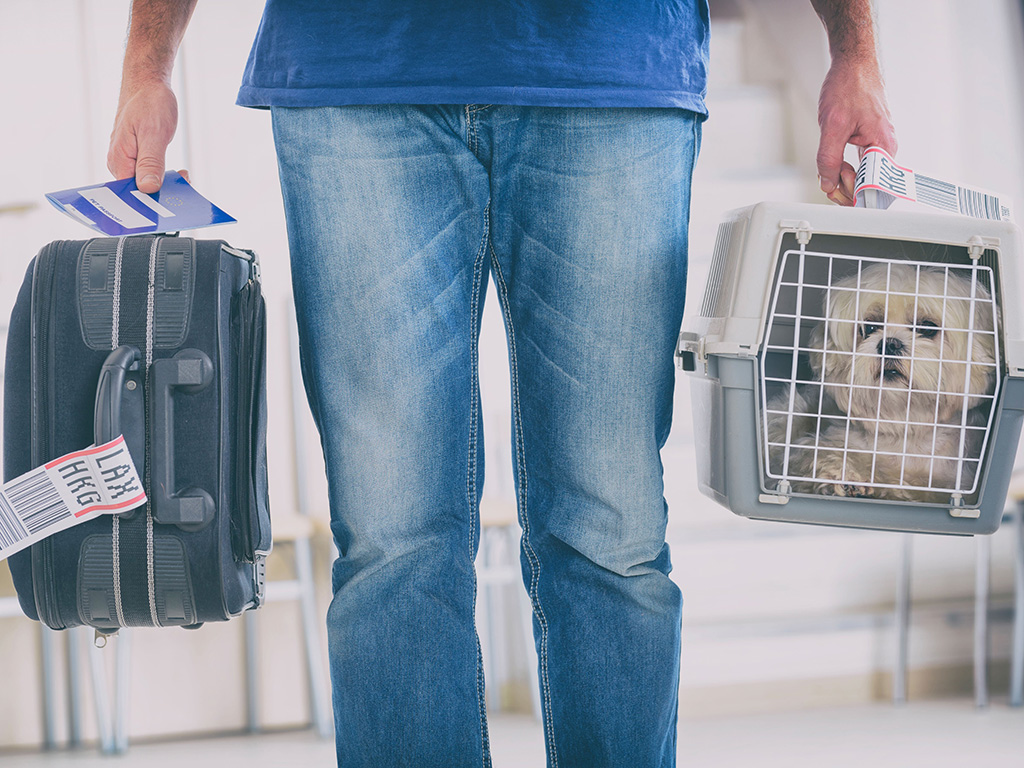
Flying with a pet is a much more complex beast. Each airline has its own set of rigid rules regarding crate dimensions, health certificates, and breed restrictions. If your pet is small enough to fit under the seat in front of you, this is always the preferred option. Being in the cabin allows you to monitor their breathing and stress levels throughout the flight. However, cabin space for pets is limited and usually requires a reservation months in advance. You must ensure you are choosing a comfortable travel carrier for cats and small dogs that meets TSA and airline-specific requirements while still providing enough room for your pet to turn around.
For larger pets that must travel in the cargo hold, the stakes are higher. Airlines have strict “blackout dates” during extreme heat or cold to protect animals in the hold. It is also worth noting that many airlines have completely banned brachycephalic (flat-faced) breeds like Pugs, Bulldogs, and Persian cats from cargo travel. Due to their unique anatomy, these animals are at a much higher risk of respiratory distress and heatstroke in high-stress environments. Always speak directly with an airline representative rather than relying solely on their website, as policies can change overnight.
The Traveling “Go Bag”: What to Pack
Packing for your pet should be as meticulous as packing for yourself. Consistency is the enemy of anxiety; therefore, you should bring their usual food to avoid digestive upset. Sudden changes in diet combined with travel stress can lead to a messy and uncomfortable situation. Your “go bag” should include:
- Familiar Food and Water: Bring enough for the whole trip plus a two-day surplus. Pack collapsible bowls for easy access.
- Medications and First Aid: Any daily prescriptions, plus a basic pet first aid kit containing gauze, antiseptic wipes, and tweezers.
- Comfort Items: A well-loved blanket or a shirt that smells like you can provide immense emotional security.
- Cleaning Supplies: Paper towels, pet-safe disinfectant, and plenty of waste bags for the inevitable accidents.
- Records: A folder containing vaccination records, recent photos, and a list of emergency vet clinics located along your route.
Managing Travel Anxiety and Health Concerns
Even the most well-adjusted pet can experience panic when faced with the roar of a jet engine or the whistling of wind on the highway. Anxiety management is a critical part of pet welfare. Some owners find success with pheromone sprays or calming wraps. However, for severe cases, pharmaceutical intervention might be necessary. Dr. Rutter suggests discussing sedatives with your veterinarian well before your departure. It is vital to perform a “trial run” of the medication at home. You need to see how your pet reacts to the dosage—some animals become paradoxically hyperactive, while others may become too sedated to regulate their own body temperature. Never administer human medication to a pet without professional guidance.
People Also Ask: Common Questions About Traveling with Pets
How can I keep my pet calm during a long flight?
Staying calm yourself is the first step, as pets mirror our energy. Use pheromone-infused bedding and ensure they have had plenty of exercise before boarding. Avoid feeding a large meal right before the flight to prevent nausea.
What are the requirements for international pet travel?
International travel often requires an International Health Certificate (Form 7001), specific microchipping (ISO-compliant), and sometimes rabies titer tests which can take months to process. Check the USDA APHIS website for specific country requirements.
Should I tranquilize my pet for car travel?
Sedation should be a last resort. Most vets recommend behavioral training and environmental management first. If drugs are used, they should be specifically prescribed by a vet who knows your pet’s health history.
Expert Verdict and Final Thoughts
Traveling with your pet is a privilege that requires a high degree of responsibility. While it’s tempting to want them by your side for every holiday photo, their comfort and safety must always come first. By following the advice of veterinary experts like Dr. Christine Rutter and investing time in acclimation, you can transform a potentially traumatic event into a seamless adventure. Remember, the goal of any holiday is to create joy, and that includes the four-legged members of your family. Plan ahead, pack smart, and always have a contingency plan. A little bit of foresight goes a long way in ensuring that your holiday getaway is a barking (or meowing) success!
Key Takeaways for Your Next Trip:
1. Visit the Vet: Get a health check and documentation early.
2. Acclimation is Key: Make the crate or car a “happy place” weeks in advance.
3. Research Restrictions: Know your airline’s breed and size limits inside out.
4. Pack for Consistency: Bring familiar food and bedding to reduce stress.
5. Safety First: Use crash-tested restraints in cars and airline-approved carriers in the sky.


