As winter’s icy grip takes hold, many pet owners find themselves asking a recurring question: does my dog actually need a coat, or is their natural fur enough? While it is tempting to believe that every canine is biologically equipped with a built-in winter parka, the reality is far more nuanced. In the early days of domestication, many dogs lived outdoors and developed thick, weather-resistant coats. However, modern pets live primarily in climate-controlled environments, which can alter their natural ability to regulate body temperature. Furthermore, the vast diversity in breeds—ranging from the thin-skinned Greyhound to the fluff-heavy Siberian Husky—means there is no one-size-fits-all answer. Veterinary experts now suggest that for many breeds, a winter coat is not just a fashion statement but a vital piece of health equipment that prevents hypothermia and frostbite. This guide explores the science of canine thermoregulation and provides actionable tips to keep your furry friend safe during the coldest months of the year.
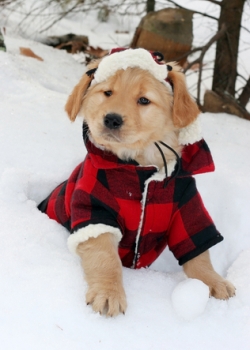
The Science of Canine Thermoregulation
To understand whether a dog needs a coat, we must first look at their biology. A dog’s primary defense against the cold is their coat, which functions by trapping a layer of air close to the skin. This air is warmed by the dog’s body heat, creating an insulating barrier. However, the effectiveness of this insulation depends on the type of fur. Dogs with double coats, like Newfoundlands or Golden Retrievers, have a dense undercoat and a water-repellent outer layer. In contrast, dogs with single coats or hair instead of fur lack this secondary insulation.
By 2024 standards, veterinary research has increasingly focused on the metabolic cost of staying warm. Smaller dogs have a higher surface-area-to-volume ratio, meaning they lose heat much faster than larger dogs. For a small breed like those mentioned in our Maltese dog breed guide, the lack of body mass and thin hair makes them highly susceptible to the elements. Without an external layer, these dogs must burn a significant amount of calories just to maintain a baseline internal temperature, which can lead to fatigue and a weakened immune system.
Which Dogs Specifically Need Winter Gear?
Not every dog needs a sweater, but for several specific groups, it is an essential requirement. Vets typically categorize the need for coats based on the following criteria:
- Small and Toy Breeds: As mentioned, their small size makes heat retention difficult. Chihuahuas, Toy Poodles, and Yorkies are prime candidates for winter jackets.
- Short-Haired or Thin-Skinned Breeds: Breeds like Greyhounds, Whippets, and Boxers have very little body fat and thin coats that offer almost no protection against freezing winds.
- Low-to-the-Ground Breeds: Dogs with short legs, such as Dachshunds or Corgis, are more likely to have their bellies brush against cold, wet snow, leading to rapid cooling.
- Seniors and Puppies: Both ends of the age spectrum struggle with thermoregulation. Senior dogs often suffer from arthritis, which can be exacerbated by the cold, while puppies lack the body fat and mature fur density of adults.
- Dogs with Medical Conditions: Conditions like hypothyroidism or Cushing’s disease can cause hair thinning and lower metabolic heat production.
Environmental Thresholds: When is it Too Cold?
According to the Tufts Animal Care and Condition (TACC) scale, temperatures above 45°F (7°C) are generally safe for most dogs. However, once the thermometer dips below 32°F (0°C), small breeds and those with thin coats should strictly be wearing protection. When temperatures drop below 20°F (-7°C), all owners should be on high alert for signs of cold distress, regardless of breed. Shivering, whining, and lifting paws off the ground are immediate signals that your dog needs to go inside or put on a heavier layer.
It is also important to remember that grooming plays a role in how a dog handles these temperatures. Frequent winter grooming can actually remove the natural oils that make a coat water-resistant. For more on how to manage this balance, see our guide on seasonal grooming in dogs. Keeping the coat clean but not over-stripped is key to natural insulation.
Choosing the Right Coat: Material and Fit
When shopping for a dog coat in 2024, don’t just look at the design; look at the functionality. A good dog coat should cover the dog from the neck to the base of the tail and protect the belly. Materials like fleece are excellent for dry, cold days, while nylon or polyester shells are better for wet, snowy conditions.
Ensure the coat is not too tight, as this can restrict movement and cause chafing, but not so loose that it drags or allows cold air to circulate freely under the fabric. Look for features like reflective strips for dark winter evenings and a harness port if you walk your dog on a leash. Some high-end brands now even incorporate heat-reflective lining, similar to what is found in human mountaineering gear, to bounce the dog’s own body heat back toward them.
Beyond the Coat: Winter Paw Care
A coat is only one part of the winter safety puzzle. A dog’s paws are in direct contact with ice, snow, and—perhaps most dangerously—de-icing salts and chemicals. These salts can cause chemical burns on sensitive paw pads and are toxic if licked off. While some owners opt for dog boots, others find them difficult to use. Regardless of your choice, taking care of a dog’s paws should include rinsing them after every walk and applying a protective wax or balm to prevent cracking.
Expert Review and Verdict
Veterinary consensus in 2024 suggests that as we experience more volatile weather patterns, pet owners must be proactive. Dr. Jack L. Stephens, a pioneer in the pet health industry, emphasizes that “the comfort of the pet should always take precedence over the ‘toughness’ of the breed.” If you are cold enough to need a heavy jacket, your short-haired dog is likely feeling the same. Verdict: Most dogs, especially those under 40 lbs or with short fur, significantly benefit from a coat when temperatures drop below 40°F. For northern breeds like Huskies or Samoyeds, a coat is usually unnecessary and may actually cause them to overheat during exercise.
Frequently Asked Questions (FAQ)
Can my dog sleep in their coat?
It is generally not recommended to let your dog sleep in a coat indoors unless your home is exceptionally cold. Overheating can occur, and the straps may cause skin irritation over long periods. Use a warm dog bed and blankets instead.
How do I know if my dog is too hot in their coat?
Signs of overheating include excessive panting, a bright red tongue, and seeking out cool surfaces like tile floors to lay on. If you notice these, remove the coat immediately.
Do dogs need coats for quick bathroom breaks?
If it is below freezing, yes. The shock of the cold can cause some dogs to “hold it,” leading to potential urinary tract issues. A quick-on jacket makes the experience more comfortable and encourages them to finish their business faster.
Are sweaters better than jackets?
Sweaters are great for indoor use or dry days. However, if there is snow or rain, a sweater will soak up the moisture and hold it against the dog’s skin, which actually makes them colder. In wet weather, a waterproof jacket is essential.
Conclusion
In summary, while the question “do dogs need coats?” was once a point of debate, modern veterinary science and animal welfare standards have made the answer clear: for many dogs, it is a medical necessity. By understanding your dog’s specific breed traits, monitoring the external temperature, and choosing high-quality gear, you can ensure that your pet stays warm, healthy, and happy all winter long. Remember, when in doubt, put the coat on. It is always better to have a slightly warm dog than a dangerously cold one.


