Thanksgiving is a season defined by gratitude, the warmth of gathering family, and, of course, a table overflowing with aromatic dishes. For many of us, our pets are central members of the family, and it is only natural to want them to participate in the festivities. However, as a long-time exotic pet enthusiast and blogger, I have seen firsthand how the holiday bustle can quickly turn from a celebration into a stressful—and even dangerous—ordeal for our animal companions. From the cacophony of doorbell chimes to the tempting (but toxic) scraps falling from the dinner table, the risks are more numerous than most owners realize. Whether you share your home with a loyal Labrador, a curious Maine Coon, or a sensitive African Grey parrot, understanding the nuances of holiday safety is the key to ensuring everyone enjoys the long weekend without an emergency trip to the vet. This guide is born out of years of experience navigating the unique challenges that holidays pose to pets of all shapes and sizes.
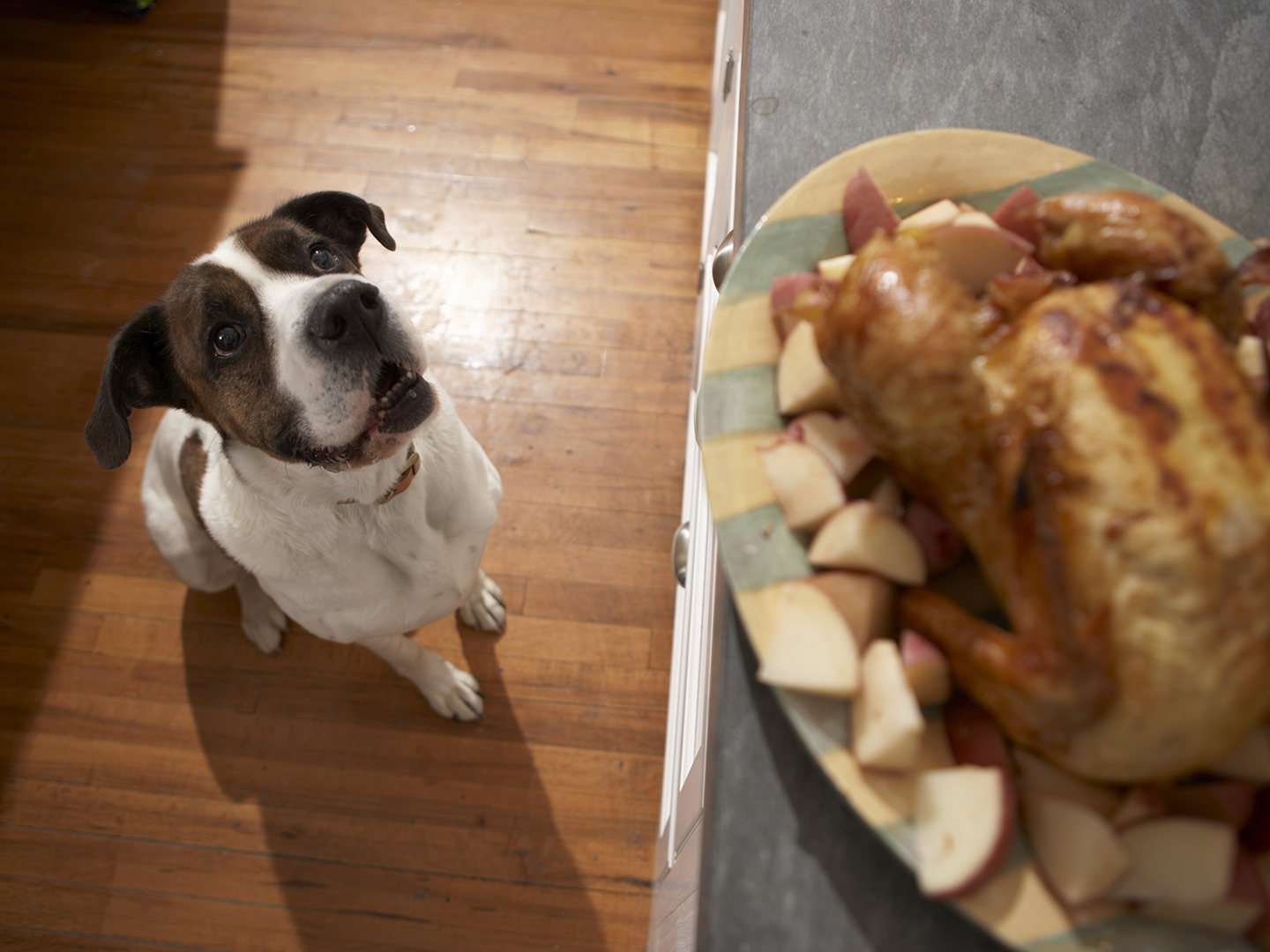
Navigating the Thanksgiving Crowd: Social Stress Management
One of the most overlooked aspects of holiday safety is the psychological impact of a house full of strangers. Thanksgiving often means a rotating door of guests, loud laughter, and a significant shift in the household routine. For a pet, particularly those that are shy or territorial, this can be incredibly overwhelming. It is vital to remember that we should always introduce pets to visitors on the pet’s terms. Forceful interactions are a recipe for disaster, potentially leading to fear-based aggression or long-term behavioral issues.
For dogs, social stress often manifests in subtle ways before escalating to a growl. You might notice trembling, excessive yawning, or lip licking. If you see these signs your dog is experiencing anxiety, it is time to intervene and give them a break from the social spotlight. Small children, while well-meaning, can be particularly stressful for pets as they may not understand boundaries or how to handle an animal gently. Always supervise these interactions closely and educate your guests on how to properly approach your pet.
Cats and exotic pets, like rabbits or birds, often prefer to opt out of the party entirely. For these animals, the best gift you can give them is a quiet, secluded room away from the noise. Ensure they have their familiar bedding, toys, and food. For birds, be especially mindful of the noise level; parrots are highly sensitive to the energy of a room and can become distressed by loud shouting or sudden movements. By creating a pet-friendly home environment that respects their need for space, you prevent the risk of escapes or stress-induced illness.
The Culinary Minefield: What Your Pet Can and Cannot Eat
The Thanksgiving feast is the highlight of the day, but many traditional ingredients are strictly off-limits for animals. While it is tempting to offer a “special treat” from your plate, you must be vigilant about what is actually in that food. Many holiday staples contain hidden toxins like xylitol (a sugar substitute found in many baked goods), which is life-threateningly toxic to dogs.
The “No-Fly” List: Dangerous Holiday Foods
- Onions, Garlic, and Leeks: These contain thiosulphate, which can cause oxidative damage to red blood cells, leading to anemia in both dogs and cats. Even small amounts found in stuffing or gravy can be harmful.
- Grapes and Raisins: Often found in salads or desserts, these can cause acute kidney failure in dogs.
- Chocolate and Caffeine: These contain methylxanthines, which cause vomiting, tremors, and heart palpitations.
- Alcohol: Never leave drinks unattended. Alcohol can cause dangerous drops in blood sugar, blood pressure, and body temperature in animals.
- Rich, Fatty Foods: Skin, drippings, and butter-heavy dishes can trigger pancreatitis, a painful and potentially fatal inflammation of the pancreas.
For those of us with exotic birds, the kitchen poses an additional, invisible threat: PTFE (Teflon) poisoning. If you are using non-stick cookware at high temperatures to prepare your feast, the fumes can be fatal to birds within minutes. Always keep your feathered friends in a well-ventilated room far from the kitchen during heavy cooking periods.
Safe Holiday Indulgences
If you truly want your pet to join in, stick to plain, unseasoned options. A few bites of well-cooked turkey breast (no skin, no bones, and no gravy) are generally safe. Plain steamed green beans, a small piece of cooked sweet potato (without the marshmallows or brown sugar), or a bite of bread can also be acceptable. However, it is always best to refer to a guide to healthy dog snacks before introducing new foods to their diet. Consistency is the best way to prevent digestive upset.
The Hidden Perils of Bones and Trash
It is a common myth that giving a dog a turkey bone is a natural treat. In reality, cooked bones are incredibly brittle. They can easily splinter, causing punctures in the mouth, throat, or intestines. They can also cause severe blockages that require emergency surgery to resolve. Always dispose of carcasses and scraps in a secure, lidded trash can that is out of reach.
Beyond the bones, the trash holds other dangers like aluminum foil, plastic wrap, and the string used to tie the turkey. These items are often coated in delicious-smelling fats, making them irresistible to pets. If ingested, they can cause intestinal obstructions. Ensure your “counter-surfers” don’t have the opportunity to snag these items while the family is busy in the dining room.
Holiday Decorations and Toxic Plants
Thanksgiving decor often incorporates natural elements that can be toxic if chewed on. Festive plants like lilies (highly toxic to cats), chrysanthemums, and certain ferns should be kept well out of reach. Even decorative corn, acorns, and pinecones can be problematic. If swallowed, they can cause stomach irritation or physical blockages.
If you use candles to set the mood, be extremely cautious. A wagging tail or a curious cat can easily knock over a tea light, leading to burns or house fires. For bird owners, scented candles and potpourri are also a no-go, as their respiratory systems are highly sensitive to synthetic fragrances and essential oils.
People Also Ask: Thanksgiving Pet Safety FAQ
Can I give my dog pumpkin pie?
While plain pumpkin puree is actually very healthy for dogs and cats, pumpkin pie is not. Pie filling often contains high amounts of sugar, spices like nutmeg (which can be toxic in large amounts), and potentially xylitol. If you want to give your pet pumpkin, stick to a tablespoon of 100% pure canned pumpkin with no additives.
How can I tell if my pet ate something toxic?
Common signs of poisoning include sudden vomiting, diarrhea, lethargy, drooling, or a change in behavior such as extreme agitation or depression. If you suspect your pet has ingested something harmful, do not wait for symptoms to worsen. Contact the ASPCA Animal Poison Control Center at 888-426-4435 or your local emergency vet immediately.
Is it okay to travel with my pet for Thanksgiving?
Travel can be very stressful for pets. If your pet is not used to long car rides or staying in new environments, they may be happier staying home with a trusted pet sitter. If you do travel, ensure they have a secure crate and that their vaccinations and identification tags are up to date.
Expert Verdict: A Season of Safety and Joy
As someone who has spent decades caring for everything from dogs to macaws, my best advice is this: Prevention is always easier than a cure. The chaos of Thanksgiving makes it easy to lose track of what your pet is doing. By taking proactive steps—like giving your dog a long walk before guests arrive, securing the trash, and providing a quiet “safe zone”—you can mitigate the vast majority of holiday risks. Thanksgiving should be about making memories, and nothing ruins a memory faster than a preventable medical emergency. Keep your pets engaged with safe toys, keep their diets consistent, and always maintain a watchful eye.
Actionable Conclusion: Your Holiday Checklist
To wrap up, here is your quick-reference checklist for a safe Thanksgiving:
- Designate a Safe Space: Ensure every pet has a quiet area with food, water, and bedding where guests are not allowed.
- Secure the Scraps: Use a locking trash can and clear the table immediately after the meal.
- Watch the Door: Be mindful of pets slipping out as guests arrive and leave.
- Keep Emergency Numbers Handy: Have your vet’s number and the Poison Control hotline saved in your phone.
- Educate Guests: Politely ask visitors not to feed your pets table scraps, no matter how much they beg.
With these precautions in place, you can focus on what matters most: enjoying the company of your loved ones, both human and animal alike. Happy Thanksgiving!


1 comment