I’ve spent years sharing my home with everything from high-energy dogs to sensitive reptiles, and if there is one thing I have learned, it is that nature doesn’t wait for a convenient time to strike. Whether it is a sudden flood, a fast-moving wildfire, or a severe hurricane, the window of time we have to protect our loved ones is often painfully small. As an exotic pet enthusiast, I’ve often worried about how my more specialized companions—those who can’t just hop into the back of a truck—would fare in a crisis. This is why September, recognized as National Disaster Preparedness Month, is so close to my heart. It is more than just a calendar reminder; it is a vital call to action for every pet owner to ensure their furry, scaly, or feathered friends aren’t left behind when the unthinkable happens.
The Importance of Professional Veterinary Emergency Teams
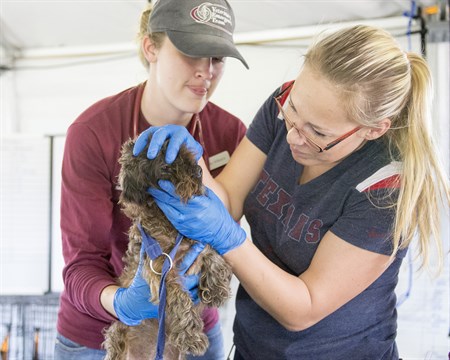
When disasters like Hurricane Harvey devastate communities, the immediate focus is naturally on human rescue. However, the emotional and physical toll on animals is equally profound. Thankfully, specialized units like the Texas A&M College of Veterinary Medicine & Biomedical Sciences’ Veterinary Emergency Team (VET) exist to bridge the gap. Dr. Angela Clendenin, a public information officer for the VET, notes that the chaos of a disaster often separates pets from their owners, leaving them without access to clean water or nutrition. The VET’s mission is to provide essential animal care until local clinics can resume normal operations.
One of the most fascinating aspects of these professional teams is their role in supporting search and rescue canines. We often forget that the dogs working tirelessly to find survivors are athletes prone to injury and exhaustion. According to Dr. Clendenin, professional veterinary support can extend the working capacity of these search and rescue dogs from a mere three or four days to over a week. This support is a critical component of the overall disaster response, proving that pet health is inextricably linked to human safety.
Common Injuries and Environmental Hazards During Disasters
Disaster zones are fraught with hidden dangers that go far beyond the initial impact of wind or water. For those of us keeping exotic pets or smaller mammals, the environment becomes a literal minefield. The VET frequently treats injuries such as burns, salt toxicity, and lacerations caused by flying debris. Contaminated water is another major concern; floodwaters often carry heavy pollutants, bacteria, and toxins that can lead to systemic illness if ingested or if they come into contact with a pet’s skin.
For small mammals and dogs, decontamination is often the first step in treatment. The Texas A&M VET even utilizes a unique, self-contained decontamination unit. This specialized equipment allows responders to safely wash contaminants off animals while containing the toxic runoff for proper disposal. Understanding these risks is part of preventive pet care in the city and rural areas alike, as being aware of potential toxins allows you to act faster when every second counts.
Stress and Behavioral Changes in Crisis Situations
It is not just physical injuries we need to worry about. The psychological impact of a disaster on an animal can be severe. Animals are incredibly sensitive to changes in atmospheric pressure, loud noises, and their owners’ emotional states. A pet that is usually calm may become aggressive or try to bolt when panicked. Learning how to help pets handle stressful situations is a core part of disaster planning. Using pheromone sprays, providing familiar-smelling blankets, and practicing crate training can make the difference between a successful evacuation and a dangerous struggle.
Building Your Essential Pet ‘Go Kit’
The cornerstone of National Disaster Preparedness Month is the creation of a “Go Kit.” This is a pre-packed bag that contains everything your pet needs for at least 72 hours, though five to seven days is better. If you have an exotic pet, your kit will look a bit different than a dog owner’s. Here is a breakdown of what should be included:
- Documentation: Copies of vaccination records, medical history, and proof of ownership. Keep these in a waterproof bag.
- Food and Water: A minimum of three days’ worth of bottled water and non-perishable food. Don’t forget a manual can opener if you use canned food.
- Medications: At least a week’s supply of any necessary prescriptions.
- Identification: Photos of you with your pet (to prove ownership) and physical descriptions. For livestock, Dr. Clendenin suggests using GIS coordinates to mark their location if they cannot be moved.
- Comfort Items: A favorite toy or a piece of your clothing to provide a sense of security.
For those living in areas prone to specific threats, such as wildfires, it is also important to integrate small animal owner fire awareness into your household plan. Ensure that your Go Kit is kept in an easily accessible location near an exit.
The Vital Role of Microchipping and Marking
In the aftermath of a catastrophe, shelters are often overwhelmed with lost animals. Dr. Clendenin emphasizes that microchipping is one of the most effective ways to ensure a happy reunion. A microchip provides a permanent ID that cannot fall off like a collar. However, a chip is only as good as the information attached to it; always ensure your contact details are up to date in the national registry. For livestock or pets that may not be chipped, visible tags or even temporary non-toxic markings can help rescuers identify who the animal belongs to.
Special Considerations for Exotic and Small Pets
Exotic pets—including birds, reptiles, and small mammals—present unique challenges during an evacuation. Many of these animals have very specific environmental requirements, such as heat lamps or humidity control. If the power goes out, a reptile’s metabolism can slow dangerously. Your disaster plan should include portable heat packs (like those used for hand warmers) and battery-powered air pumps for fish tanks. Birds are particularly sensitive to air quality; smoke or fumes from a disaster can be fatal to them, so having a travel cage that can be covered is essential.
People Also Ask (FAQ)
What is the most important thing to have for a pet in a disaster?
While food and water are vital, identification is the most critical factor for reunification. A microchip and a current photo are your pet’s ticket back home if you are separated.
Where can I take my pet if I have to evacuate?
Many human shelters do not allow pets due to health regulations. Before a disaster strikes, research pet-friendly hotels or identify friends and family outside your immediate area who can house your animals. Some boarding facilities also have emergency protocols.
How do I prepare livestock for a disaster?
Livestock should be moved to high ground or a safe clearing well in advance. If evacuation is impossible, ensure they have access to large amounts of hay and water, and use GIS coordinates to help rescue teams find them later.
Final Thoughts from the Field
Disasters are unpredictable and terrifying, but they don’t have to be a death sentence for our beloved companions. By taking the time during National Disaster Preparedness Month to build a kit, update microchips, and coordinate a plan, you are giving your pets the best possible chance at survival. Professional teams like the Texas A&M VET work tirelessly to pick up the pieces after a crisis, but the first line of defense will always be a prepared pet owner. Stay vigilant, stay informed, and most importantly, stay ready. Your pets are counting on you.


