Living with panic disorder can often feel like navigating an unpredictable storm. The sudden onset of intense fear, rapid heartbeat, and shortness of breath can make even the most mundane activities—like grocery shopping or attending a meeting—feel like an insurmountable challenge. According to the Anxiety and Depression Association of America (ADAA), panic disorder affects approximately 6 million U.S. adults annually, yet many struggle to find consistent relief through traditional therapy alone. This is where a Service Dog For Panic Attacks (often categorized as a Psychiatric Service Dog or PSD) becomes a transformative medical aid. Unlike a standard pet, these highly trained animals are equipped with specialized skills to detect, interrupt, and mitigate the debilitating symptoms of anxiety and panic in real-time. This comprehensive guide explores the essential guidelines for qualifying, training, and living with a psychiatric service dog in 2024.
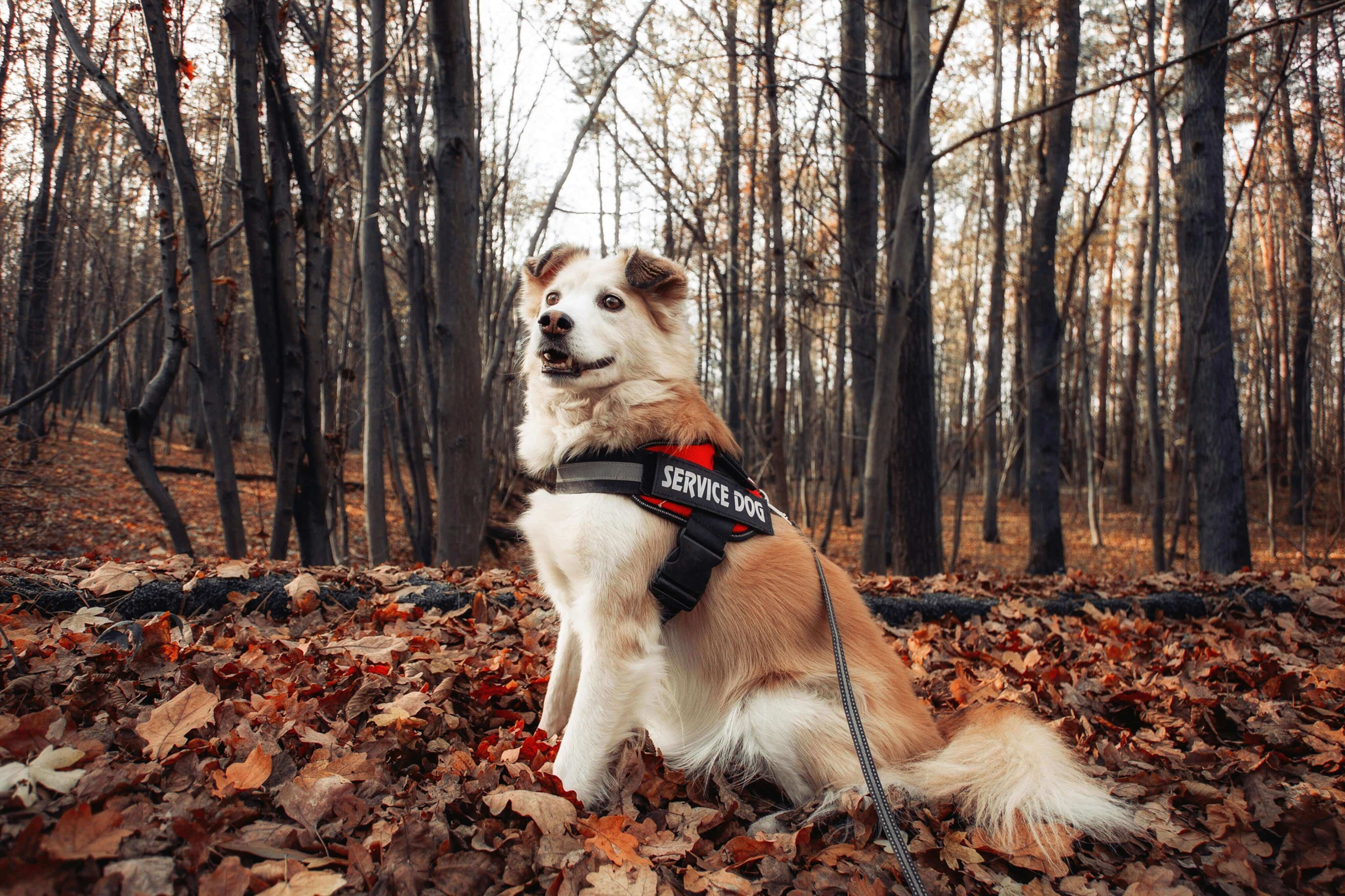
What is a Psychiatric Service Dog for Panic Attacks?
A psychiatric service dog is not merely a companion; it is a legally recognized medical tool trained to perform specific tasks directly related to the handler’s disability. Under the Americans with Disabilities Act (ADA), service dogs are defined as dogs that are individually trained to do work or perform tasks for people with disabilities. For those suffering from panic attacks, these tasks are designed to provide physical and psychological grounding during moments of crisis.
In 2024, the recognition of psychiatric disabilities has grown significantly. These dogs are now common sights in public spaces, assisting handlers by sensing physiological changes—such as increased cortisol levels or heart rate variability—before a panic attack even reaches its peak. Because they are considered medical equipment, they are granted access to public areas where pets are typically banned, including restaurants, airplanes, and hospitals. To facilitate smoother public interactions, many handlers choose to register their service dog at Myserviceanimal.org, which provides official ID cards and documentation to help clarify the dog’s status to business owners and transit authorities.
The Science of Support: Key Tasks Performed by PSDs
The efficacy of a service dog for panic attacks lies in their task-oriented training. These are not passive behaviors; they are active interventions. The most vital tasks include:
1. Deep Pressure Therapy (DPT)
Deep Pressure Therapy (DPT) is perhaps the most well-known task for an anxiety-focused service dog. By using their body weight to apply firm, steady pressure to the handler’s lap or chest, the dog triggers the body’s parasympathetic nervous system. This physical contact helps lower the heart rate and reduces the production of stress hormones like cortisol while increasing “feel-good” chemicals like dopamine and serotonin.
“DPT acts as a biological reset button,” explains one veteran service dog trainer. “For someone in the throes of a panic attack, the tactile sensation of the dog’s weight provides a grounding point that pulls them back into the present moment.”
2. Early Warning Alerts
Modern training techniques now focus on olfactory and behavioral alerts. Research suggests that dogs can smell the chemical changes in human sweat and breath that precede a panic attack. By nudging, pawing, or licking their handler’s hand, the dog alerts them to the rising anxiety before the handler even realizes it. This 2024 trend in “proactive alerting” allows the handler to take medication or find a safe space before the attack becomes full-blown.
3. Crowd Buffering and Navigation
For individuals with agoraphobia or social anxiety, crowds are a major trigger. Service dogs are trained to create a physical barrier—a “buffer”—between the handler and other people. They can be commanded to stand behind or in front of the handler to ensure personal space. Additionally, if a handler becomes disoriented during an attack, the dog can be trained to “find the exit” or “find the car,” leading the person to safety without the handler needing to focus on navigation.
How to Qualify: The Path to Obtaining a Service Dog
Qualifying for a Service Dog For Panic Attacks requires more than just a diagnosis of anxiety. To meet the ADA’s criteria, the mental health condition must be “substantially limiting” to one or more major life activities.
Step 1: Consult a Licensed Professional
The first and most critical step is to consult with a licensed mental health professional (LMHP), such as a psychiatrist, psychologist, or clinical social worker. In 2024, the importance of a formal PSD Letter has grown, especially for housing and travel purposes. During your assessment, discuss how panic attacks interfere with your ability to work, travel, or socialize. If the professional determines that a service dog is a necessary part of your treatment plan, they will provide a signed letter on their official letterhead.
Step 2: Understanding Psychiatric Disability Criteria
A psychiatric disability is defined by the impact of the symptoms. For panic disorder, this might include the inability to leave the house alone, frequent dissociative episodes, or severe physical symptoms that mimic a heart attack. The dog must be trained to specifically mitigate these symptoms. If the dog only provides comfort by being present, it is classified as an Emotional Support Animal (ESA), not a service dog.
Training Your Service Dog: Online vs. In-Person
Once you qualify, you must decide how the dog will be trained. There are three primary routes:
- Professional Training Programs: These organizations breed and train dogs from birth. While highly effective, waitlists in 2024 can range from 2 to 5 years, and costs can exceed $20,000.
- Owner-Training with Professional Help: Many handlers choose to train their own dogs with the help of a local trainer. This builds a deep bond but requires significant time and dedication to meet public access standards.
- Online Training Programs: For those with limited mobility or budget, online schools provide structured curriculums that guide the handler through the training process. This is a popular option for those who already own a dog with the right temperament.
Regardless of the method, the dog must pass a Public Access Test, ensuring they remain calm in busy environments like malls, airports, and restaurants. They must ignore distractions, remain under the handler’s control at all times, and never show aggression.
Psychiatric Service Dogs (PSD) vs. Emotional Support Animals (ESA)
It is vital to understand the legal distinction between these two categories, as confusing them can lead to legal issues. PSDs are trained to perform specific tasks and have full public access rights under the ADA. ESAs provide emotional comfort through their presence alone and do not require specialized task training. While ESAs are protected under the Fair Housing Act, they do not have the right to enter public businesses or fly in the cabin of an airplane for free under current DOT regulations.
Expert Review: The 2024 Verdict on PSDs
Expert consensus in 2024 highlights that while a service dog is not a “cure-all,” it is one of the most effective holistic tools for managing panic disorder. The primary benefit is the reduction in recovery time. An unassisted panic attack might leave a person exhausted for hours; a service dog’s intervention via DPT can shorten the episode and allow the handler to return to their day much faster. However, experts warn that the responsibility of caring for a dog can also be a source of stress, so the handler must be prepared for the commitment of dog ownership.
Frequently Asked Questions (FAQ)
- How much does a service dog for panic attacks cost? Prices vary wildly. A pre-trained dog can cost $15,000-$30,000, while owner-training might cost $2,000-$5,000 in classes and gear.
- Can any breed be a panic attack service dog? Yes, the ADA does not restrict breeds. However, Labradors, Golden Retrievers, and Poodles are most common due to their temperament and “work-oriented” nature.
- Do I need to wear a vest on my service dog? Legally, the ADA does not require a vest, but it is highly recommended to avoid public confrontation and signal to others that the dog is working.
- Can a landlord charge me a pet fee for my service dog? No. Under the Fair Housing Act, service dogs are not considered pets, and pet fees or deposits must be waived.
- How do I register my dog? You can obtain official registration and ID cards through Myserviceanimal.org to help with public identification.
Conclusion
Integrating a Service Dog For Panic Attacks into your life is a significant decision that offers the potential for newfound freedom. These animals provide a unique blend of medical intervention and emotional grounding that no medication can replicate. By following the legal guidelines for qualification, committing to rigorous task training, and utilizing resources like Myserviceanimal.org for proper documentation, you can navigate the world with a sense of security and confidence. A service dog doesn’t just manage your symptoms—it helps you reclaim your life.


