If you have ever shared your home with a guinea pig, you likely know the unique sound of a “wheek” echoing through the kitchen the moment a refrigerator door creaks open. Often affectionately called “eating machines,” guinea pigs have a metabolic drive that requires nearly constant grazing to maintain their health. However, keeping these charming, furry companions in peak physical condition requires much more than just a bowl of pellets. A truly balanced guinea pig diet is a delicate orchestration of high-fiber forage, essential vitamins, and hydrated nourishment. Understanding the biological imperatives behind their dietary needs is the first step toward ensuring your pet lives a long, vibrant life. In this comprehensive guide, we will explore the 2024 veterinary standards for cavy nutrition, diving deep into the science of hay, the necessity of Vitamin C, and the colorful world of fresh produce.
The Lifeline of a Cavy: Why Hay is Non-Negotiable
It is widely accepted by exotic pet veterinarians that 70% to 80% of a guinea pig’s diet must consist of high-quality hay. This isn’t just a dietary preference; it is a biological necessity. Guinea pigs are elodont herbivores, meaning their teeth never stop growing. Without the constant abrasive action of grinding down long-strand fiber, their teeth can become overgrown, leading to a painful condition known as malocclusion. This can prevent the animal from eating entirely and often requires specialized surgery to correct.
Beyond dental health, hay is the engine that drives the guinea pig’s complex digestive system. As hindgut fermenters, they require constant movement in their gastrointestinal tract to prevent GI stasis, a life-threatening condition where the digestive system slows down or stops. Timothy hay remains the gold standard for adult guinea pigs due to its ideal balance of fiber, protein, and calcium. Orchard grass is an excellent alternative, particularly for owners who may have allergies to Timothy hay. For younger, growing pups (under six months) or pregnant mothers, Alfalfa hay is recommended because it is rich in the extra protein and calcium needed for development. However, once a guinea pig reaches adulthood, Alfalfa should be phased out, as excess calcium is a primary contributor to urolithiasis, or painful bladder stones.
The Role of Pellets: Fortifying the Foundation
While hay provides the bulk, high-quality pellets serve as a nutritional safety net. In 2024, experts emphasize that pellets should be a supplement, not the main course. For an average adult guinea pig, 1.5 to 2 tablespoons of pellets per day is sufficient. When shopping for food, it is crucial to select a uniform, Timothy-based pellet. Many commercial brands include “colorful bits,” seeds, or dried fruits, which are often packed with sugar and simple carbohydrates. These “extra” ingredients can lead to selective eating, where the piggie picks out the junk food and leaves the nutrition behind, eventually resulting in obesity and nutrient deficiencies.
The Critical Vitamin C Factor
One of the most fascinating biological quirks shared by humans and guinea pigs is the inability to synthesize Vitamin C (Ascorbic Acid) internally. Unlike most other mammals, guinea pigs lack the enzyme L-gulonolactone oxidase. Without a steady daily supply from their diet, they can develop scurvy, which manifests as swollen joints, lethargy, and a weakened immune system. While most high-quality pellets are fortified with Vitamin C, the vitamin is highly unstable and degrades quickly when exposed to light and air. Therefore, it is essential to provide Vitamin C through fresh vegetables. In 2024, many vets are recommending liquid Vitamin C supplements administered directly (not in water, as it degrades too fast and alters the taste) if the pet is a picky eater or showing signs of deficiency.
Fresh Produce: A Daily Feast
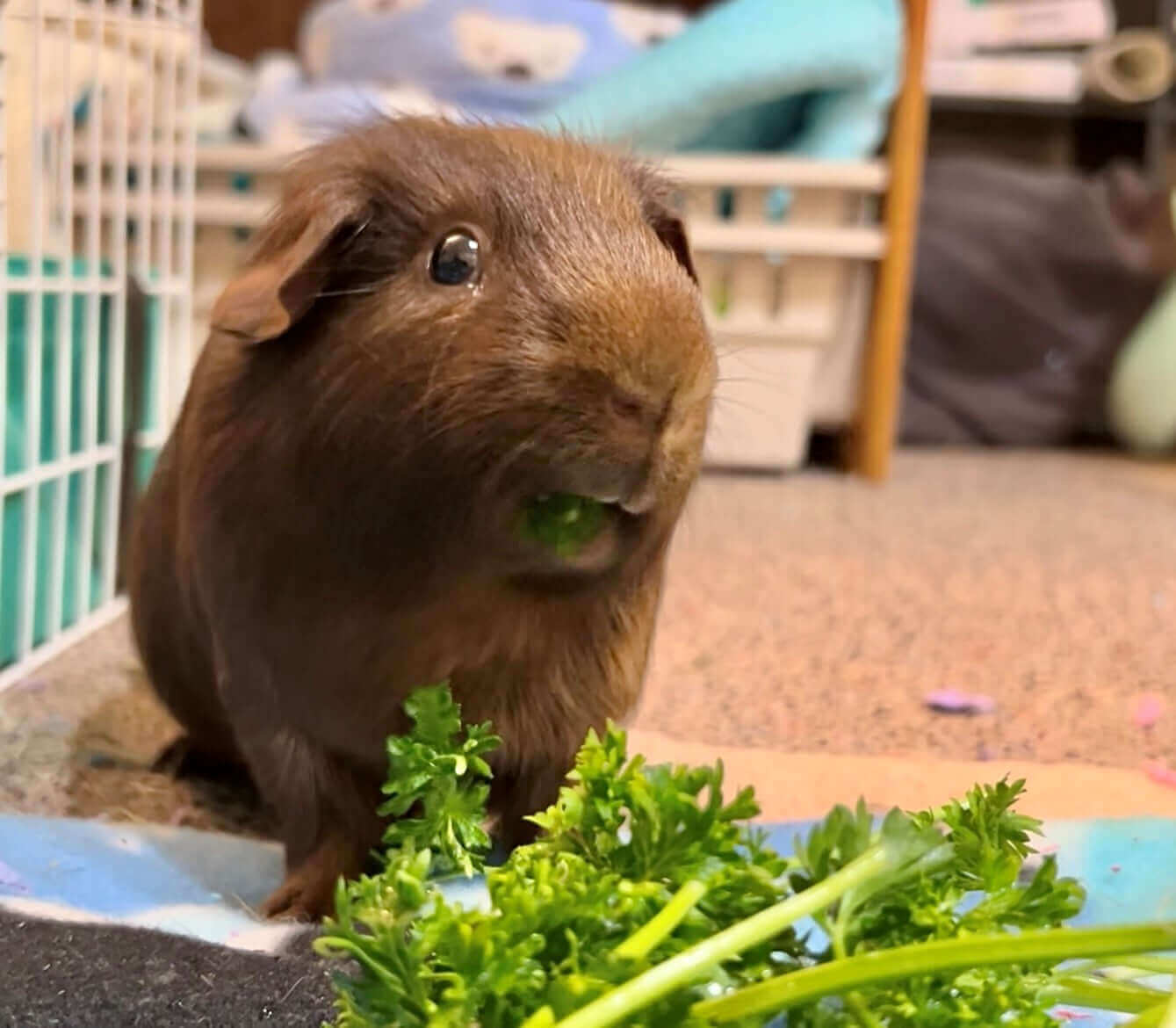
A guinea pig’s daily highlights include their “salad time.” A good rule of thumb is to provide approximately one cup of fresh vegetables per guinea pig, per day. This variety ensures they receive a spectrum of phytonutrients and minerals. Bell peppers (of any color) are the undisputed kings of the guinea pig salad, as they are exceptionally high in Vitamin C and low in sugar. Other excellent choices include leafy greens like cilantro, parsley, and kale, though these should be fed in moderation due to their higher calcium content.
The Good, The Bad, and the ‘Potato Chips’
It is a common mistake to feed guinea pigs iceberg lettuce. While they may enjoy the crunch, iceberg lettuce is nutritionally void and consists mostly of water. Veterinarians often refer to it as the “potato chip” of the guinea pig world—it fills them up without providing any of the vitamins they need to thrive. Instead, opt for Romaine, Green Leaf, or Red Leaf lettuce. Always ensure that every piece of produce is thoroughly rinsed to remove pesticides. A helpful mantra for owners: “If you wouldn’t eat it, don’t feed it to them.” Avoid wilted or spoiled greens, as their sensitive digestive systems can easily be upset by bacteria.
Fruits and Treats: Managing the Sugar Rush
While guinea pigs have a notorious sweet tooth, fruits should be treated as occasional delicacies. High sugar intake can disrupt the delicate balance of bacteria in their cecum, leading to bloat or diarrhea. A small slice of apple (seedless), a few blueberries, or a piece of strawberry twice a week is plenty. Crucial Warning: Never feed your guinea pig avocado. It contains persin, which is toxic to most small rodents. Additionally, avoid any commercial treats that contain dairy, yogurt, or honey, as guinea pigs are strict herbivores and cannot process animal byproducts.
Hydration and Environmental Enrichment
Fresh, clean water must be available 24/7. Whether you use a drip-style bottle or a heavy ceramic bowl, the water should be changed daily to prevent bacterial growth. For pairs of guinea pigs, a 12-ounce (341ml) bottle is the minimum recommended size. Beyond nutrition, food can be a source of mental stimulation. Providing willow sticks or apple wood branches gives them a safe outlet for their chewing instincts. Foraging mats or hiding pellets inside hay-filled cardboard tubes can mimic their natural behavior in the wild, reducing stress and promoting exercise.
Expert Review: The 2024 Veterinary Consensus
In a recent survey of exotic animal practitioners, the consensus on guinea pig health has shifted toward a more “forage-first” approach. Statistics show that 60% of guinea pig health issues are related to improper diet. By focusing on a high-fiber, low-sugar regimen, owners can prevent the most common causes of premature death, such as bladder stones and dental disease. The 2024 recommendation is to perform a weekly “weight check” on your piggies; because they are prey animals, they are experts at hiding illness, and a sudden drop in weight is often the first sign that something is wrong with their nutrition or health.
Frequently Asked Questions (FAQ)
Q: Can guinea pigs eat bread or crackers?
A: No. Guinea pigs should never eat processed human foods, grains, or starches. These can cause severe digestive upset and obesity.
Q: How many times a day should I feed my guinea pig?
A: Hay should be available 24/7. Fresh vegetables are typically fed once or twice a day, and pellets can be provided in a single daily serving.
Q: Is it okay to put Vitamin C drops in their water?
A: It is generally discouraged. Vitamin C loses its potency rapidly in water, and the change in taste may cause your guinea pig to stop drinking, leading to dehydration.
Q: My guinea pig is eating its own droppings. Is this normal?
A: Yes! This is called coprophagy. Guinea pigs produce special soft droppings called cecotropes, which are rich in B vitamins and essential bacteria. Re-ingesting them is a vital part of their digestive process.
Q: Can they eat grass from my backyard?
A: Yes, provided the grass has not been treated with pesticides, fertilizers, or herbicides, and is not in an area where dogs or cats frequently soil the ground.
Conclusion
Properly feeding a guinea pig is one of the most rewarding aspects of ownership. By adhering to a diet rich in high-quality Timothy hay, supplementing with Vitamin C-rich vegetables, and limiting sugary treats, you are providing your pet with the tools they need for a long and happy life. Remember, every guinea pig is an individual; what works for one may need adjustment for another. Regular consultations with a cavy-savvy veterinarian and a watchful eye on their eating habits will ensure your “eating machines” continue to wheek with joy for years to come.


