As pet owners, we are used to our companions getting into just about everything. Whether it is a dog sniffing through the tall grass or a curious cat batting at a dust bunny in the corner of the garage, their natural instincts drive them to explore the world with their noses and paws first. However, as summer fades into the crisp air of early fall, a hidden danger often lurks in those dark, undisturbed corners: spiders. While most of these eight-legged neighbors are harmless, certain venomous species can turn a routine afternoon into a medical emergency. I have seen many frantic pet parents worry over a small red bump, and while most of the time it turns out to be nothing more than a minor irritation, knowing when to worry is the key to being a responsible guardian.
The Reality of Arachnids and Our Pets
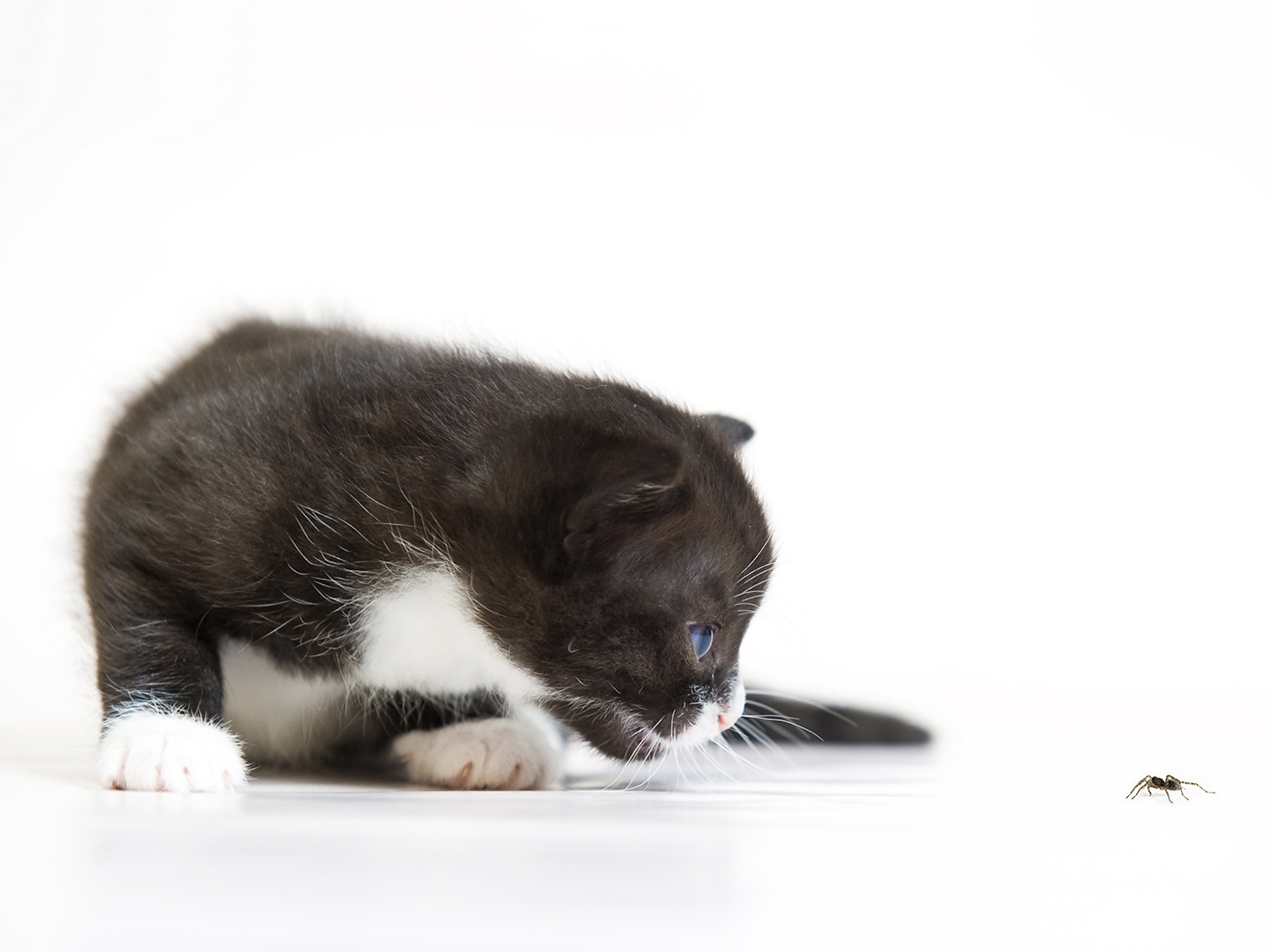
There is a bit of a myth that every spider is out to get us. In reality, spiders are generally reclusive and prefer to stay as far away from large, boisterous mammals as possible. Most spider bites occur because a pet accidentally disturbed a web or sat on a spider that felt it had no choice but to defend itself. Dr. Lance Wheeler, from the Texas A&M College of Veterinary Medicine & Biomedical Sciences, reminds us that while there are roughly 40,000 known spider species globally, only a handful truly pose a clinical threat to our domestic animals. In North America, the primary culprits we need to watch for are the Black Widow and the Brown Recluse.
Understanding the behavior of these spiders is half the battle. They do not hunt pets; they hunt insects. However, when our dogs and cats stick their faces into woodpiles, under porches, or behind the old boxes in the attic, they are entering the spider’s territory. This is why late summer and fall are particularly high-risk times—this is when spiders are most active, seeking mates and preparing for the cooler months. By creating a pet-friendly home that is free of clutter, you can significantly reduce these unwanted encounters.
Identifying the ‘Big Two’: Black Widows and Brown Recluses
Identification is crucial if you suspect an envenomation. If you can safely catch the spider (perhaps under a glass) or snap a clear photo, it will help your veterinarian immensely in determining the course of treatment. Here is what you need to look for:
The Black Widow (Latrodectus species)
The Black Widow is perhaps the most famous venomous spider. These spiders are typically shiny and black with a very distinct red hourglass shape on the underside of their abdomen. Sometimes the marking can be orange or even yellowish. Their venom is a neurotoxin, which means it attacks the nervous system. For a small pet, even a tiny amount of this venom can cause significant distress, leading to muscle tremors, severe pain, and in rare cases, respiratory failure.
The Brown Recluse (Loxosceles reclusa)
The Brown Recluse is a bit more subtle. It is tan or light brown and is famously identified by a dark, violin-shaped mark on its back (the cephalothorax). Unlike the Black Widow, the Brown Recluse carries necrotic venom. This venom causes the tissue around the bite site to die, often resulting in an ulcerated wound that can take a long time to heal. These spiders love dark, cool, dry places—think closets, sheds, and basements.
Symptoms of Spider Bites in Dogs and Cats
It is quite rare to actually witness the bite happening. Usually, you will simply notice your pet acting “off” or grooming a specific spot excessively. Because their fur often hides the skin, a bite might go unnoticed until it becomes a larger problem. Common localized symptoms include redness, swelling, and sensitivity to touch. If your pet allows you to look closely, you might see two tiny puncture marks, though these are often too small to see with the naked eye.
Systemic symptoms are much more serious and require immediate intervention. Watch for the following:
- Vomiting and Diarrhea: Often the first sign that the body is reacting to a toxin.
- Muscle Rigidity or Tremors: Especially common with Black Widow bites.
- Lethargy and Weakness: If your usually energetic dog can’t seem to get off the floor, something is wrong.
- Respiratory Distress: Shallow or rapid breathing.
- Fever: A sign that the immune system is in overdrive or that a secondary infection is setting in.
When to Seek Emergency Veterinary Care
If you see your pet get bitten by a spider, do not wait for symptoms to appear. Immediate veterinary intervention is the safest course of action. When it comes to choosing the right veterinarian for an emergency, ensure they have experience with toxicology or have access to antivenom if you live in a high-risk area. Treatment usually involves pain management, IV fluids to flush the system, and antibiotics to prevent secondary skin infections. In the case of a Brown Recluse bite, your vet may need to surgically debride (clean out) the necrotic tissue to allow the wound to heal properly.
One of the biggest challenges is that spider bite symptoms often mimic other conditions. A red, swollen paw could be a bee sting, an allergic reaction to a plant, or even a minor puncture wound from a thorn. This is why Dr. Wheeler emphasizes ruling out other causes but starting treatment early if a bite is suspected. If a red spot does not improve within 24 hours or begins to turn a dark, purplish color, it is time for a professional opinion.
People Also Ask: Common Questions About Pet Spider Bites
Can a spider bite kill a dog?
While extremely rare, it is possible, particularly with Black Widow bites in very small dogs or puppies. Large dogs typically have more body mass to dilute the venom, but they can still become very ill. Prompt medical care significantly reduces the risk of fatality.
Can I use human ointments on my pet’s spider bite?
I always advise against using over-the-counter human medications like hydrocortisone or antibiotic creams without consulting a vet. Pets are prone to licking their wounds, and many human ointments contain ingredients that are toxic if ingested. Stick to a clean, damp cloth for temporary cooling until you can get professional advice.
How long does it take for symptoms to show?
With a Black Widow, symptoms like pain and muscle cramping can start within 30 to 60 minutes. With a Brown Recluse, the initial bite might be painless, with the characteristic “bullseye” redness and skin death developing over several hours or even days.
Preventative Measures: Keeping Your Environment Safe
Prevention is always better than a trip to the ER. You don’t need to live in a bubble, but a few lifestyle adjustments can keep the spiders at bay. Spiders love undisturbed areas. This means your garage, the space behind the couch, and that pile of firewood in the backyard are prime real estate. Regular maintenance is your best tool. Use a vacuum or broom to clear away webs in dark corners and behind furniture.
When you are cleaning out a shed or garage, keep your pets in another room until you are finished. If you have a severe infestation, consider hiring a professional pest control company. Just make sure to tell them you have pets so they can use pet-safe treatments and advise you on how long your animals need to stay away from treated areas. In my experience, keeping the perimeter of your home clear of debris and tall grass also goes a long way in discouraging spiders from moving in.
Final Thoughts and Actionable Steps
It is easy to get paranoid when we start talking about venomous creatures, but remember that millions of pets live safely alongside spiders every day. The goal isn’t to live in fear, but to be prepared and aware. By taking proper care of your pet and maintaining a clean environment, you are already doing 90% of the work.
If you suspect a bite, stay calm. Your pet picks up on your energy. Keep them quiet and confined to prevent the venom from spreading through the bloodstream too quickly, and call your vet immediately. Most pets recover fully with standard supportive care. Keep your home tidy, supervise those outdoor adventures in the garage or shed, and enjoy the beautiful fall season with your furry best friend, knowing you are ready for whatever crawls your way.


