Bringing a new guinea pig, hamster, or rabbit into your home is an exciting milestone, but it often comes with a daunting realization: the sheer volume of choices for their habitat can be overwhelming. As you stand before the towering shelves of a pet supply store or scroll through endless online listings, you are faced with a critical decision that impacts your pet’s health, comfort, and even your home’s scent. Which bedding is truly the most effective? For the uninitiated, it might seem like any soft material will do, but seasoned owners know that the right substrate is the foundation of a healthy life for small mammals. In this comprehensive guide, we will leverage over three decades of experience in small animal husbandry to break down the science of bedding, comparing common materials like wood shavings and fleece against premium paper options to determine which reigns supreme in 2024.
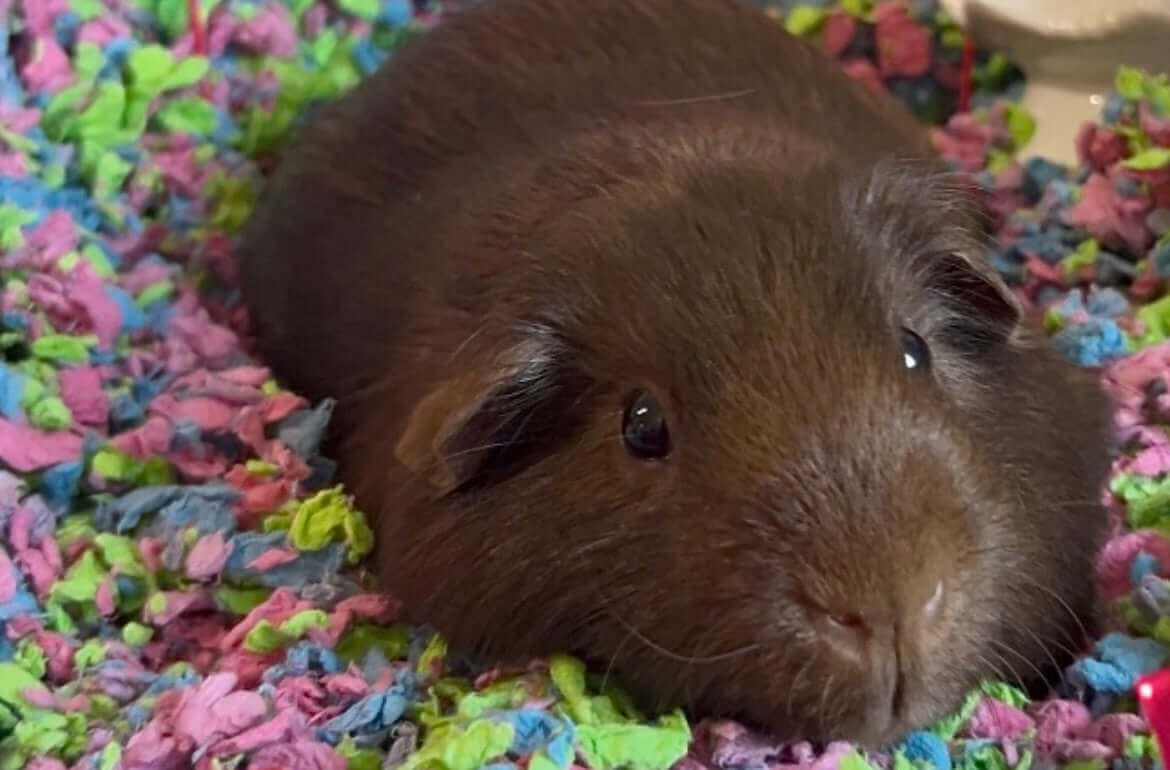
When selecting a bedding material, the primary goal is to provide a safe, absorbent, and comfortable environment. Small pets like guinea pigs, rats, and gerbils spend nearly 100% of their time in direct contact with their bedding. Unlike dogs or cats who move between different surfaces, a guinea pig’s delicate respiratory system and sensitive paw pads are constantly exposed to whatever you place on the floor of their enclosure. Therefore, the stakes are remarkably high. A poorly chosen bedding can lead to chronic respiratory infections, bumblefoot (pododermatitis), and internal blockages. Statistics from veterinary clinics in 2023 indicate that nearly 40% of small mammal respiratory issues are exacerbated by high-dust environments or aromatic oils found in subpar bedding materials.
The Dangers of Traditional Wood Shavings
For decades, wood shavings were the industry standard. However, modern veterinary science has cast a long shadow over certain types. Cedar and non-kiln-dried pine shavings are widely discouraged by experts because they contain volatile oils called phenols. These phenols are what give cedar its distinct scent, but for a small animal, inhaling these fumes 24/7 can lead to liver enzyme changes and respiratory distress. While kiln-dried pine is safer, wood-based beddings generally suffer from inconsistent absorption. They tend to saturate quickly, leading to the formation of ammonia—the pungent gas produced when urine breaks down. High ammonia levels are not just a nuisance for your nose; they are caustic to the sensitive lining of a pet’s lungs. Furthermore, wood shavings offer limited odor control compared to modern engineered alternatives.
Why Paper-Based Bedding is the Modern Gold Standard
In the quest for the perfect substrate, paper-based bedding has emerged as the frontrunner. Specifically, premium brands like carefresh have revolutionized the market. But why does paper outperform wood? The secret lies in the fiber structure. High-quality paper bedding is engineered to be twice as absorbent as wood shavings, pulling moisture away from the surface and trapping it in the lower layers. This keeps your pet’s feet dry and significantly reduces the risk of skin infections. In 2024, user trends show a massive shift toward sustainable, recycled paper products as owners become more conscious of both their pet’s health and their environmental footprint.
The Safety Factor: Ingestion and the ‘Peeling’ Problem
A unique insight gained from 35 years of guinea pig ownership involves the physical integrity of the bedding. Many leading competitors offer paper bedding that is thin and prone to ‘peeling.’ These thin strips can easily adhere to wet treats like lettuce, cucumber, or bell peppers. When a guinea pig eagerly consumes their vegetables, they inadvertently ingest the attached bedding. While many brands claim to be non-toxic, ingested paper can expand in the gastrointestinal tract, potentially causing a life-threatening blockage or stasis. This is where carefresh stands out; its pieces are thicker and structurally sound. They do not easily unravel or stick to food, ensuring that mealtime remains safe. Because carefresh is ‘heavier’ and more substantial, it tends to fall off the treats rather than being swallowed along with them.
The Fleece Revolution: Pros, Cons, and the Hybrid Approach
Fleece bedding has seen a surge in popularity due to its reusability and aesthetic appeal. While it is an eco-friendly option, it is not without significant maintenance requirements. Fleece does not ‘absorb’ in the traditional sense; rather, it wicks moisture through to an underlying absorbent layer. To be effective, fleece must be swept of feces daily and washed frequently in a machine. Without diligent care, fleece can become a breeding ground for bacteria. Even the most dedicated fleece users should keep a supply of high-quality paper bedding on hand. Why? Because paper bedding serves as a vital diagnostic tool. If a pet is ill, a white or light-colored paper bedding allows you to monitor the color and consistency of urine and droppings—something that is nearly impossible on dark or patterned fleece. In a recovery setting, a ‘fluffy mound’ of paper bedding provides superior warmth and cushioning for a lethargic or post-surgical pet.
Expert Verdict: The carefresh Difference
After testing dozens of brands over 12 years, the verdict is clear: carefresh offers a level of performance that others struggle to match. It is 99% dust-free, which is a non-negotiable requirement for owners of rats or guinea pigs prone to ‘wheezing.’ Its superior odor control—tested to suppress ammonia for up to 10 days—outperforms wood and lower-tier paper brands. Beyond the utility, there is the comfort factor. The pillowy texture encourages natural nesting and burrowing behaviors, which are essential for the mental well-being of hamsters and gerbils. Whether you choose the classic natural tone or the vibrant, safe-colored varieties, the result is a cleaner cage and a happier pet.
Frequently Asked Questions (FAQ)
1. How often should I change my pet’s bedding?
While some brands claim 10-day odor control, it is best practice to spot-clean soiled areas daily and perform a full bedding change once a week. This prevents the buildup of bacteria and ensures a fresh environment.
2. Is carefresh bedding safe if my pet nibbles on it?
While carefresh is made from non-toxic materials, it is not intended for consumption. However, its design makes it much less likely to be accidentally ingested compared to thinner, ‘peelable’ paper beddings.
3. Can I mix wood shavings with paper bedding?
While you can, it is generally better to use paper bedding exclusively. Mixing with wood shavings can reintroduce dust and lower the overall absorbency of the habitat.
4. Why is dust-free bedding so important?
Small animals have very small lungs. Even a tiny amount of dust can cause chronic inflammation, leading to URI (Upper Respiratory Infection), which can be fatal if not treated quickly by a vet.
5. Is colored bedding safe for my guinea pig?
Yes, premium brands like carefresh use dyes that are tested and safe for small animals. These colors will not bleed onto your pet’s fur or cause irritation.
Conclusion
Choosing the right bedding is one of the most impactful decisions you can make as a small pet owner. While wood shavings and fleece have their places, premium paper bedding like carefresh provides the most reliable balance of safety, absorbency, and odor control. By investing in a high-quality substrate, you aren’t just making your cleaning routine easier; you are actively extending the lifespan and happiness of your furry companions. Just ask Cosmo and Bentley—they’ll give it two paws up every time!


