There is perhaps no sight more endearing to a dog owner than the iconic head tilt. Whether you are asking if they want a treat, mentioning the word "walk," or making a strange whistling sound, that inquisitive shift of the skull is a hallmark of canine charm. However, as a responsible pet parent, it is vital to understand that while this gesture is often a sign of high emotional intelligence and focused attention, it can also serve as a subtle warning sign for underlying medical issues. In the world of veterinary medicine and animal behavior, the head tilt is a multifaceted communication tool and a diagnostic indicator that deserves a closer look. By understanding the mechanics behind this behavior, you can better distinguish between a pup that is simply trying to understand you and one that may be experiencing physical discomfort.
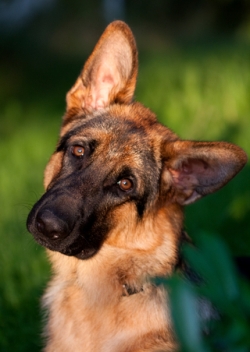
As we move through 2024, the bond between humans and their canine companions has never been stronger, leading to a deeper interest in "canine linguistics." Research suggests that dogs are not just reacting to our voices but are actively trying to process our words, tone, and body language simultaneously. While some breeds seem more prone to this adorable behavior than others, the underlying reasons generally fall into two categories: sensory optimization and medical necessity. Understanding these triggers is the first step in ensuring your dog remains healthy, happy, and well-understood. If you notice a sudden change in your dog’s behavior, it is always wise to consult a list of critical warning signs your pet needs an urgent vet visit to determine if immediate intervention is required.
1. Auditory Localization: Pinpointing the Source of Sound
The primary reason most dogs tilt their heads is purely functional: they are trying to hear you better. Canine hearing is far superior to human hearing, capable of detecting frequencies that are entirely silent to the human ear. While we typically hear sounds between 20 Hz and 20,000 Hz, dogs can hear frequencies as high as 47,000 to 65,000 Hz. This heightened sensitivity means that even the smallest rustle of a delivery person’s footsteps or a distant siren can trigger a reaction. However, the shape of a dog’s ear—whether it is erect, floppy, or cropped—can actually interfere with their ability to determine exactly where a sound is coming from.
By tilting their head, dogs are adjusting their pinnae (the outer part of the ear) to better capture sound waves. This physical shift allows them to calculate the distance and direction of a noise more accurately. For many dogs, this is also a way to "see" better through their ears. Dogs with long muzzles may find that their own snout partially blocks their lower field of vision; tilting the head allows them to see your mouth more clearly, helping them interpret your facial expressions and verbal cues. To keep your dog engaged and sharp, you should learn how to provide your dog with mental stimulation, which encourages these natural investigative behaviors in a healthy way.
2. The Presence of Ear Infections and Foreign Objects
While a head tilt can be a sign of intelligence, a persistent tilt that is accompanied by pawing at the ear or shaking the head is often a sign of Otitis externa, or an ear infection. In 2023, ear infections remained one of the top five reasons for veterinary visits across the United States. These infections can be caused by bacteria, yeast, or even tiny parasites like ear mites. Because a dog’s ear canal is L-shaped, it is very easy for moisture and debris to become trapped, creating a breeding ground for pathogens.
Furthermore, adventurous dogs who spend time outdoors may find themselves with foreign objects lodged in their ears. Foxtails—barbed grass seeds—are particularly dangerous as they are designed to move in one direction: forward. If a foxtail enters the ear canal, it can cause immense pain and even rupture the eardrum. If your dog is tilting their head and seems distressed, check for redness, a foul odor, or discharge. Early detection is key to preventing long-term hearing loss or chronic pain.
3. Head Trauma and Physical Injury
Dogs are naturally active and sometimes their enthusiasm leads to accidents. Whether it is a rough session of play at the dog park, a collision with a stationary object like a tree, or a fall from a height, head trauma can occur. Such injuries can disrupt the delicate balance of the brain and the inner ear, leading to a noticeable head tilt. This is often an attempt by the dog to compensate for a loss of equilibrium.
Concussions in dogs are more common than many owners realize. Signs of trauma might include disorientation, unequal pupil sizes, or lethargy. If your dog’s head tilt appeared suddenly following physical activity, it is a medical emergency. Interestingly, a change in behavior following an injury can sometimes lead owners to wonder, "is my dog depressed?" as they may become withdrawn due to the physical pain and confusion caused by the trauma.
4. Vestibular Disease: The Balance System Under Attack
The vestibular system is responsible for maintaining balance and orientation relative to the earth. When this system is compromised—either through inflammation, infection, or idiopathic causes—the result is often "Old Dog Vestibular Disease." This condition can be terrifying for owners to witness; the dog may suddenly tilt their head severely, stumble, fall over, or exhibit rapid, involuntary eye movements known as nystagmus.
While the symptoms are dramatic and often mimic a stroke, many cases of vestibular disease are "idiopathic," meaning the cause is unknown, and they often resolve with supportive care within a few weeks. However, more serious causes can include brain tumors or deep inner ear infections. A veterinarian will perform a neurological exam to determine if the issue is peripheral (inner ear) or central (brain-related) to provide an accurate prognosis.
5. Hypothyroidism and Metabolic Influences
Hypothyroidism is a condition where the thyroid gland does not produce enough thyroid hormone, slowing down the dog’s metabolism. While typically associated with weight gain, hair loss, and lethargy, it can also have neurological manifestations. In some cases, hypothyroidism can lead to cranial nerve dysfunction, which manifests as a head tilt, facial drooping, or weakness in the limbs.
Breeds like Golden Retrievers, Doberman Pinschers, and Irish Setters are statistically more predisposed to thyroid issues. Because the symptoms develop slowly, they are often mistaken for simple "aging." However, with a simple blood test and daily medication, most dogs with hypothyroidism return to their normal, energetic selves quite quickly.
Expert Verdict: When to Worry
In most scenarios, a head tilt is a sign of a dog’s emotional engagement and desire to communicate. If your dog tilts their head specifically when you speak and returns to a neutral position afterward, it is likely a behavioral trait. However, the medical consensus for 2024 emphasizes that a constant head tilt—one that does not disappear when the dog is relaxed—is a red flag. If the tilt is paired with circling, falling, or a change in appetite, seeking professional veterinary help within 24 hours is essential for the best possible outcome.
Frequently Asked Questions (FAQ)
- Why does my dog only tilt their head when I talk? This is usually a sign that they are trying to filter your voice and pick out familiar "trigger" words like "treat," "park," or "outside." It also helps them see your facial expressions better.
- Can a head tilt be permanent? If caused by a severe infection or a neurological event that left scarring, a slight head tilt may remain even after the underlying cause is treated. Most dogs adapt well to this "new normal."
- Is vestibular disease the same as a stroke? No. While the symptoms look similar, strokes are much less common in dogs than vestibular disease. A vet can distinguish between the two through specialized testing.
- Do certain breeds tilt their heads more than others? Anecdotal evidence suggests that breeds with high social intelligence, such as Border Collies and German Shepherds, or those with heavy muzzles like Greyhounds, may tilt their heads more frequently to communicate.
- Should I reward my dog for tilting their head? If it is a behavioral tilt, rewarding it with praise or a treat is perfectly fine! It reinforces the bond and encourages the dog to pay attention to your cues.
Conclusion
The canine head tilt remains one of the most fascinating and endearing aspects of living with a dog. It serves as a bridge between two species, representing a dog’s genuine effort to understand the complex world of human communication. While we should absolutely cherish these moments of connection, we must also remain vigilant. By keeping an eye out for accompanying symptoms like ear redness, balance issues, or lethargy, you can ensure that your dog’s head tilt remains a sign of curiosity rather than a symptom of illness. Staying proactive with regular vet check-ups and ear cleanings is the best way to keep those adorable tilts coming for years to address.


