While your canine companion is likely daydreaming about their next walk or a savory treat, they are rarely concerned with their physical appearance or the scent they carry into your living room. However, maintaining your dog’s hygiene is a cornerstone of responsible pet ownership that extends far beyond mere aesthetics. In 2024, as the trend of “pet humanization” continues to rise, more owners are recognizing that grooming is a vital health check. It serves as a primary defense against parasites, skin infections, and the early detection of underlying medical issues. Grooming your dog at home is not just a cost-saving measure; it is a profound bonding experience that, when done correctly, ensures your pup remains comfortable and vibrant throughout their life.
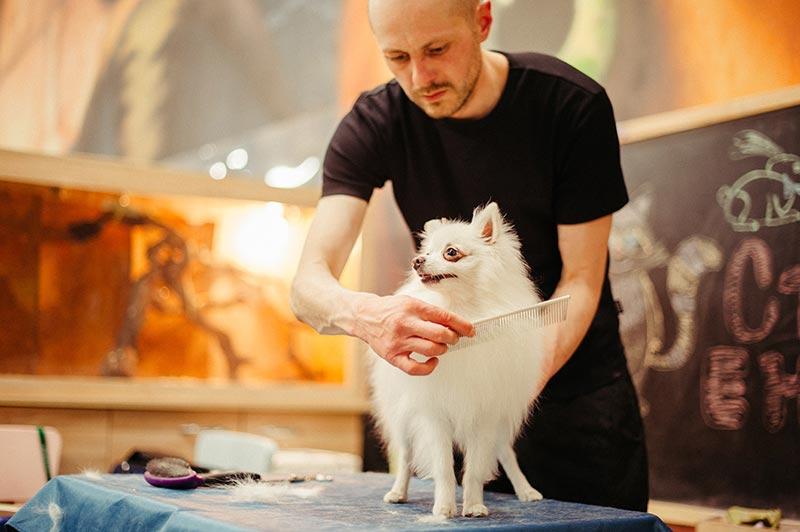
The Benefits of Mastering DIY Dog Grooming
Many pet parents find the idea of home grooming intimidating, yet the advantages are manifold. Beyond the obvious economic savings, grooming in a familiar environment significantly reduces stress for anxious pets. A 2023 survey by pet health organizations indicated that nearly 40% of dogs experience some level of anxiety at a professional grooming facility. By keeping the process at home, you eliminate the sensory overload of a busy salon. Furthermore, DIY sessions allow for a flexible schedule; you don’t have to finish everything in one sitting. Breaking up the tasks—brushing on Monday, a nail trim on Wednesday—prevents both you and your dog from becoming overwhelmed. This approach is particularly effective for puppies and seniors who may lack the stamina for a three-hour professional session.
Essential Tools for Your In-Home Pet Spa
To achieve professional results, you must invest in high-quality instruments tailored to your dog’s specific needs. Every dog is unique, and their grooming requirements are dictated by their coat type, skin sensitivity, and activity level. At a minimum, your kit should include a variety of brushes, dog-specific shampoo, nail clippers, and dental care products. It is crucial to understand the hidden dangers of matted fur, which can harbor moisture and lead to painful skin ulcers. Regular brushing prevents these mats from forming and keeps the skin aerated.
Selecting the Right Brush for the Job
The brush you use can make the difference between a pleasant experience and a painful one. For short-haired breeds like Beagles or Labradors, a rubber curry brush or a bristle brush is ideal for removing loose hair and stimulating natural oils. For those with long, flowing locks, a pin brush or a slicker brush is necessary to penetrate the depths of the coat. Breeds with a dense undercoat—such as Huskies or Golden Retrievers—benefit greatly from an undercoat rake. This tool specifically targets the woolly layer that sheds most heavily, especially during seasonal changes.
Step-by-Step: The Art of the Dog Bath
Bathing is often the most dreaded part of the grooming process for both parties. However, preparation is key. Before the water even touches your dog, ensure you have thoroughly brushed them. Water acts as a setting agent for mats; if you wet a matted dog, the mats will tighten and become nearly impossible to remove without clippers. Use lukewarm water and a shampoo formulated specifically for canine skin pH. Human shampoos are too acidic and can strip away the protective sebum layer, leading to dry, itchy skin. For specialized breeds, you might even look for specific coat care and grooming tips to manage unique textures like the hybrid curls found in Poodles or Doodles.
During the bath, be mindful of the ears and eyes. Water trapped in the ear canal can lead to painful yeast infections. Use a washcloth for the face rather than a direct stream of water. Once rinsed—and you must rinse twice to ensure no soap residue remains—towel dry and, if your dog permits, use a blow dryer on the lowest, coolest setting. Never use a high-heat human hair dryer, as a dog’s skin is much thinner and more susceptible to burns than ours.
Advanced Maintenance: Nails, Ears, and Teeth
Grooming is an all-encompassing task that includes the “fine details” of pet health. Perhaps the most daunting task for owners is nail trimming. However, long nails can cause the foot to splay, leading to joint pain and skeletal issues over time. When performing care of a dog’s paws, it is essential to identify the “quick”—the vein inside the nail. For dogs with dark nails, where the quick is invisible, it is safer to use a grinder or to take very small, incremental clips. Always have styptic powder on hand to stop bleeding immediately if a mishap occurs.
Ear cleaning should be done with a veterinarian-approved solution. Gently wipe the visible part of the inner ear with a cotton ball, but never insert a Q-tip into the ear canal. Finally, dental hygiene is the most overlooked aspect of home grooming. Statistics show that 80% of dogs show signs of periodontal disease by age three. Brushing your dog’s teeth daily with canine-safe toothpaste (never human toothpaste containing xylitol) can add years to their life by preventing heart and kidney issues linked to oral bacteria.
Expert Review: The Verdict on Home Grooming
Professional groomers and veterinarians agree that while home grooming is excellent for maintenance, it does not entirely replace the need for professional eyes. Experts suggest a “Hybrid Approach”: perform the weekly brushing, bathing, and dental care yourself, but schedule a professional session every 6 to 12 weeks for precision clipping and deep-sanitary trims. This ensures that areas like the paw pads and the sanitary region are handled with professional-grade clippers, minimizing the risk of accidental nicks.
Frequently Asked Questions (FAQ)
- How often should I groom my dog at home? Generally, dogs should be brushed 2-3 times a week and bathed every 4-8 weeks, depending on their activity level and coat type.
- What if my dog is terrified of the clippers? Start with desensitization. Let them sniff the tool while it is off, then turn it on nearby while giving treats. Gradually move closer over several days before attempting a trim.
- Is it okay to shave my dog in the summer? Generally, no. A dog’s coat provides insulation against both cold and heat. Shaving can disrupt their natural temperature regulation and lead to sunburn.
- How do I stop a nail from bleeding if I cut it too short? Apply styptic powder or, in an emergency, cornstarch or flour to the tip of the nail with firm pressure for a few minutes.
- Why does my dog smell immediately after a bath? This is often “wet dog smell,” caused by bacteria and yeast on the skin that release volatile compounds when wet. Ensure you dry the coat thoroughly to minimize this.
Conclusion
Mastering the art of grooming your dog at home is a rewarding journey that pays dividends in both health and happiness. By transforming grooming from a chore into a “spa day” of pampering and connection, you create a safer, more comfortable life for your furry friend. Remember that patience is your most valuable tool. With the right equipment, a gentle touch, and a consistent routine, you can keep your dog looking like a superstar while monitoring their physical well-being from head to paw. Whether you are maintaining a shiny coat or ensuring those paws stay healthy, your efforts are the foundation of a long, vibrant life together.


