When the temperature drops and the frost begins to settle, our thoughts naturally turn to warm blankets, hot cocoa, and stoking the fireplace. However, for pet owners with outdoor animals, winter brings a unique set of challenges and responsibilities. Pets are often filled with a sense of adventure, a trait that makes them incredibly lovable, but they lack the ability to effectively communicate when the cold becomes unbearable or dangerous. As their primary caretakers and protectors, it is our duty to ensure that the change in seasons doesn’t compromise their health or happiness. Whether your companion is an outdoor-only pet or simply spends the majority of their time in the yard, understanding the nuances of winter care is essential for preventing tragedies such as hypothermia or frostbite.
The Architecture of Warmth: Providing Proper Shelter
The first line of defense against the biting winter wind is a robust, well-insulated shelter. A simple wooden box is rarely enough when the mercury hits sub-zero levels. To maintain a safe environment, you must focus on structural integrity and insulation. A proper outdoor house should feature a slanted, waterproof roof to prevent snow buildup and moisture seepage. It must be large enough for your pet to stand up and turn around comfortably, but small enough to retain their natural body heat. If the space is too cavernous, the animal’s own warmth will dissipate before it can raise the ambient temperature of the enclosure.
One of the most effective strategies for keeping a dog house dry is building a four to six-inch platform for the bedding. This elevation acts as a crucial barrier against ground-level moisture and prevents water from penetrating the interior during heavy rain or melting snow. While it may be tempting to install electric space heaters or heat mats, these often pose significant fire risks or can cause electrical burns if the pet chews on the cords. Instead, focus on high-quality insulation and frequent maintenance. Regularly check the enclosure for leaks and ensure that the bedding remains dry. A damp bed is a conductor for cold, and creating a pet-friendly home environment outdoors requires just as much attention to detail as your own living room.
Winter Apparel and Paw Protection
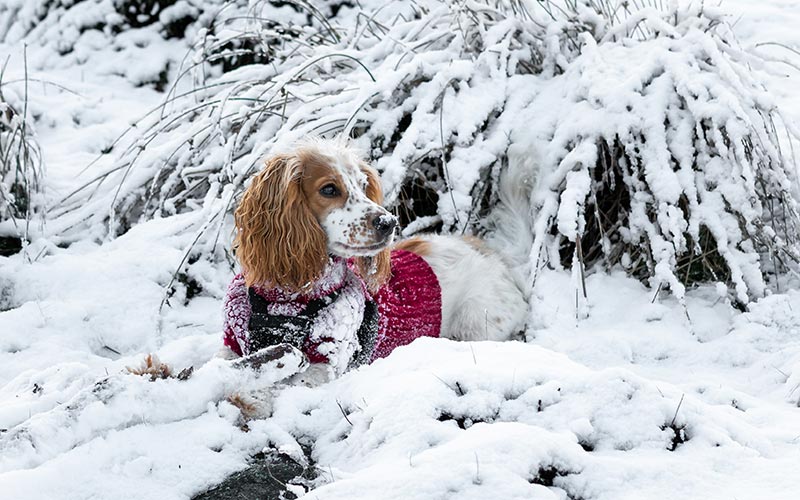
There is a common misconception that a fur coat is an all-access pass to the cold. While breeds like the Siberian Husky, Alaskan Malamute, and Samoyed are biologically engineered for the tundra, many other breeds are highly susceptible to the cold. For dogs with thinner coats or those prone to shivering, a waterproof jacket with a polar fleece lining is an excellent investment. Look for designs with Velcro straps for easy application and perhaps even a hood for extra protection during snowfall.
Furthermore, we must not overlook the vulnerability of a pet’s feet. Ice, snow, and chemical de-icers (rock salt) can cause painful cracks, chemical burns, and irritation to sensitive paw pads. Utilizing dog booties is the gold standard for protection, but if your pet refuses to wear them, ensuring you are taking care of a dog’s paws through regular cleaning and the application of protective waxes is vital. Exposure to extreme cold can lead to frostbite in as little as 30 minutes in vulnerable areas like the ears, tail, and paws. If you notice skin that is pale, grey, or blue, or if the area feels cold and brittle to the touch, immediate veterinary intervention is required.
Hydration and the Caloric Demand of Cold
Keeping warm is hard work. When an animal is cold, its body burns significantly more calories to maintain a stable core temperature through thermogenesis. For pets that spend the majority of their time outdoors during winter, you may need to increase their food intake by 10% to 15%. However, this rule only applies to truly active outdoor animals; indoor pets that are less active in winter may actually need fewer calories to avoid weight gain. Always consult your veterinarian to tailor a nutritional plan specifically for your pet’s activity level and breed.
Hydration is equally critical. A common mistake is assuming that because it isn’t hot, a pet doesn’t need as much water. In reality, winter air is incredibly dry, and pets can dehydrate quickly. The greatest challenge is preventing water sources from freezing. Check outdoor bowls several times a day or invest in a thermal, heated water bowl. Avoid metal bowls in freezing temperatures, as a pet’s tongue can actually stick to the frozen metal, causing traumatic injury.
Hidden Winter Hazards: Antifreeze and Engines
Winter brings chemical hazards that are often overlooked. Antifreeze, which frequently contains ethylene glycol, is one of the most dangerous substances found in garages and driveways. Its sweet taste is unfortunately appealing to both dogs and cats. Even a few licks can lead to acute kidney failure and death. Always use pet-safe antifreeze alternatives (propylene glycol-based) and clean up spills immediately. If you suspect ingestion, this is a life-threatening emergency.
For those living in areas with community or feral cats, the warm engine of a parked car is an inviting nesting spot. Before starting your vehicle, always tap on the hood or honk the horn to give any sleeping animals a chance to escape. This simple five-second habit saves countless lives every winter.
Special Considerations for Seniors and Chronic Illness
Just as humans feel the cold more acutely as they age, so do our pets. Cold weather can exacerbate the pain of arthritis and make it difficult for pets with conditions like diabetes, heart disease, or Cushing’s disease to regulate their body temperature. For senior dogs, it is often best to keep them indoors as much as possible. You can help them stay mobile and comfortable as they age by providing heated orthopedic beds and ensuring they have traction on slippery surfaces to prevent falls and joint strain.
Expert Verdict
The safety of an outdoor pet in winter is not a “set it and forget it” situation. It requires daily vigilance, structural maintenance, and a keen eye for physical symptoms of distress. While some breeds are hardier than others, none are invincible. A combination of insulated shelter, caloric adjustment, and chemical safety forms the trifecta of a successful winter care plan. If the weather reaches extreme alerts or “feels like” temperatures that are dangerous for humans, it is always the best policy to bring outdoor pets inside to a mudroom or garage at the very least.
Frequently Asked Questions
- How cold is too cold for a dog to be outside? Generally, when temperatures fall below 45°F (7°C), cold-averse breeds may begin to feel uncomfortable. When temperatures drop below 20°F (-6°C), the risk of hypothermia and frostbite increases significantly for all dogs.
- What are the signs of hypothermia in pets? Look for intense shivering, lethargy, muscle stiffness, low heart rate, and unresponsive pupils. If you see these signs, move the pet to a warm area and call a vet immediately.
- Can I use hay or straw for dog house bedding? Straw is actually better than hay or blankets for outdoor shelters. Straw provides excellent insulation and doesn’t hold moisture like blankets do, which can freeze and become ice blocks.
- Do cats need different winter care than dogs? Cats are highly susceptible to frostbite on their ears. They also have a higher tendency to seek warmth in dangerous places like car engines. The same rules for shelter and hydration apply.
- Should I let my dog eat snow for hydration? No. Eating snow can lower a dog’s core body temperature and snow in urban areas often contains hidden salt and chemicals.
Conclusion
Winter is a beautiful season, but it demands a higher level of guardianship from pet owners. By providing a dry, elevated shelter, monitoring nutritional needs, and staying alert for environmental hazards like antifreeze, you can ensure your outdoor companions remain safe. Remember that every pet is an individual; what works for a thick-coated Malamute will not suffice for a senior Labrador. Be their voice, be their protector, and make sure this winter is a season of comfort rather than a struggle for survival.


