There is a specific kind of heartbreak that comes with watching your usually energetic companion struggle to walk. Whether it’s a high-energy Labrador that suddenly stops chasing its ball or a nimble cat that hesitates before jumping onto its favorite perch, seeing a pet in pain tugs at every pet owner’s heartstrings. Often, these mobility issues aren’t just a sign of getting older; they are frequently caused by a common but debilitating injury to the Cranial Cruciate Ligament (CCL). In the world of veterinary orthopedics, this is a significant hurdle, but modern medicine offers a powerful solution known as Tibial Plateau Leveling Osteotomy (TPLO).
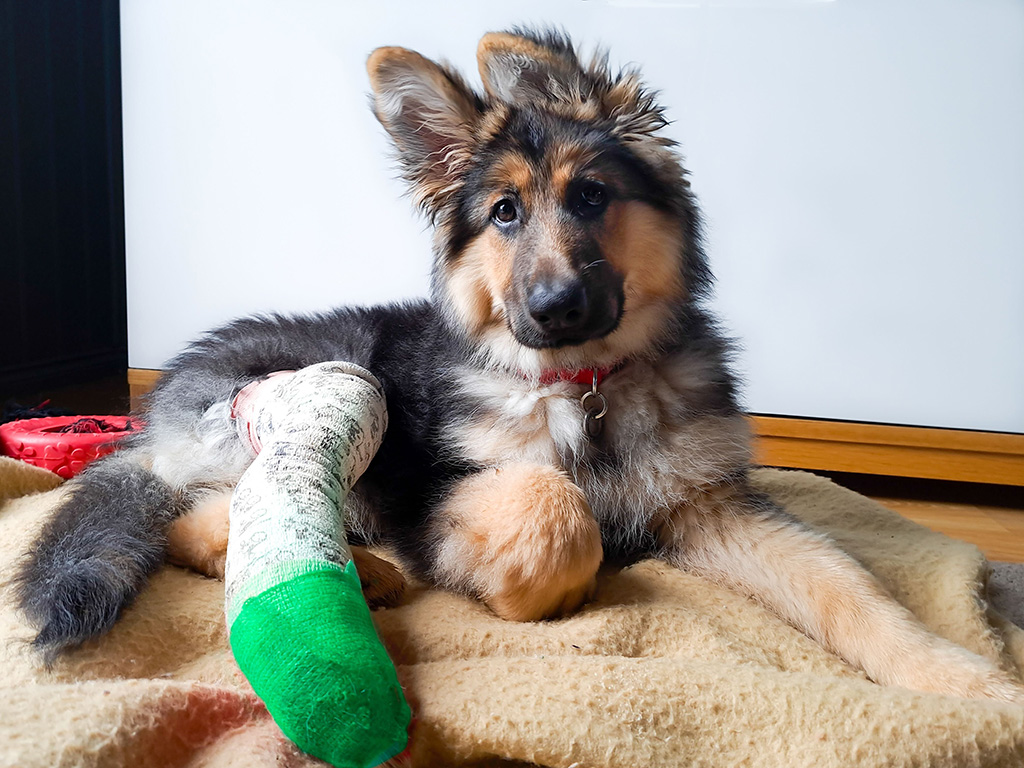
As someone who has spent years immersed in the world of animal care—from the smallest exotic reptiles to the largest canine breeds—I’ve seen how transformative the right surgical intervention can be. When a pet’s knee, or “stifle joint,” fails, it affects their entire quality of life. Understanding the mechanics of this injury and the precision required for TPLO surgery is the first step toward getting your furry friend back on their paws and enjoying life to the fullest.
The Anatomy of a Pet’s Knee: Why the CCL Matters
To understand why TPLO is so effective, we first need to look at how a pet’s leg is actually built. In dogs and cats, the knee joint is called the stifle. It is a complex hinge where the femur (thigh bone) meets the tibia (shin bone). Connecting these two bones are several ligaments, the most crucial of which is the Cranial Cruciate Ligament (CCL). You can think of the CCL as the animal equivalent of the human ACL (Anterior Cruciate Ligament).
The primary job of the CCL is to stabilize the joint. It prevents the tibia from sliding forward relative to the femur and limits internal rotation. When this ligament is healthy, the joint moves smoothly. However, unlike humans who often tear their ACL through sudden athletic trauma, pets—especially dogs—frequently experience a gradual degradation of the ligament. Over time, the fibers weaken until even a simple movement causes a partial or full tear. If you suspect your pet is dealing with this, it is vital to understand how ACL and CCL injuries are treated and prevented to ensure a smooth recovery.
Identifying the Red Flags: When to Seek Help
Recognizing the signs of a CCL tear early can prevent long-term damage like severe osteoarthritis or meniscal tears. Pets are remarkably stoic, often hiding their pain until it becomes unbearable. As owners, we have to be detectives.
- Intermittent Limping: Your pet might limp after a walk but appear fine the next morning. This often signals a partial tear.
- The “Sit Test”: Does your dog sit with one leg kicked out to the side rather than tucked under their body? This is a classic sign of knee discomfort.
- Clicking Sounds: A clicking or popping noise when your pet walks can indicate that the meniscus (the cushioning cartilage in the knee) has been damaged due to joint instability.
- Muscle Atrophy: If the injury has persisted, you may notice the muscles in the affected hind leg look smaller than the healthy leg.
If you notice these subtle changes, don’t wait for the symptoms to worsen. Delayed intervention is one of the leading complications that can arise from delayed pet visits, potentially turning a treatable injury into a lifelong mobility struggle.
What is TPLO Surgery? An Innovative Approach
Many people assume that a torn ligament needs to be replaced with a graft, similar to human surgery. However, because of the steep slope of a dog’s tibial plateau, traditional repairs often fail in larger or more active animals. This is where Tibial Plateau Leveling Osteotomy (TPLO) comes in.
Rather than trying to fix the broken “rope” (the ligament), TPLO changes the biomechanics of the joint. Dr. Katherine Barnes from Texas A&M explains that TPLO involves making a circular cut in the top of the tibia. This section of bone is then rotated to flatten the slope where the femur rests. By leveling this plateau, the femur no longer has a slope to slide down when the pet bears weight. The bones are then secured in this new position with a high-grade medical bone plate and screws. In essence, the surgery makes the CCL unnecessary because the joint becomes naturally stable through its new geometry.
The Surgical Journey: From Prep to Recovery
A TPLO procedure is a major surgery that requires a highly coordinated team. Before the first incision is made, your pet will undergo a rigorous health screening, including blood work to ensure they can safely handle anesthesia. Precision is the name of the game here. Surgeons use specialized X-rays to measure the exact angle of the tibial plateau to determine how much rotation is needed.
The surgery itself takes a few hours, including the meticulous process of scrubbing and clipping the surgical site to minimize infection risks. Post-operative X-rays are crucial; they confirm that the hardware is perfectly placed before the pet is woken up. While the surgery is the “fix,” the recovery period is where the real healing happens. This is a time when your pet will need extra support to stay mobile and comfortable as they age and heal from such an invasive procedure.
The Importance of a Board-Certified Surgeon
While many veterinarians are skilled in general surgery, TPLO is a highly technical orthopedic procedure. Choosing a board-certified veterinary surgeon is often recommended. These specialists have completed years of additional training, including residencies and rigorous examinations focused entirely on complex surgeries. Their expertise reduces the risk of technical errors, such as improper plate placement or incorrect angle calculations, which could lead to surgical failure or the need for a second procedure.
People Also Ask: Common TPLO Questions
How long is the recovery time for TPLO?
The initial healing phase typically lasts 8 to 12 weeks. During the first few weeks, activity is strictly limited to short, on-leash bathroom breaks. Around the 6-to-8-week mark, follow-up X-rays are taken to ensure the bone has fused. Most pets return to full activity within 4 to 6 months.
Can my pet live without TPLO surgery?
While some very small dogs or cats may be managed with strict rest and physical therapy, most pets with a CCL tear will develop progressive, painful arthritis without surgery. Additionally, because the pet overcompensates by using the other leg, there is a 40-60% chance they will tear the CCL in their “good” leg within a year of the first injury.
What is the success rate of TPLO?
The success rate is remarkably high, with over 90% of owners reporting a return to normal or near-normal function. It is considered the gold standard for large breed dogs and active pets.
The Road Ahead: Post-Op Care and Physical Therapy
Once you bring your pet home, the environment must be managed carefully. Slick floors should be covered with rugs, and jumping on furniture must be strictly prohibited. Many owners find that rehabilitative therapy—such as underwater treadmills or targeted stretching—greatly speeds up the recovery process and helps rebuild lost muscle mass safely.
Feeding your pet a high-quality diet during this time is also vital. Excess weight is the enemy of healing joints. Ensuring they receive the proper nutrients without the extra calories is essential for long-term orthopedic health.
Expert Verdict & Final Thoughts
TPLO surgery is undoubtedly a significant investment of time, emotion, and finances. However, in my professional experience, it remains one of the most successful ways to give an injured pet their life back. The shift from a state of constant pain and instability to being able to run and play again is nothing short of miraculous. If your pet has been diagnosed with a CCL tear, do not lose hope. With the right surgeon and a committed recovery plan, the prognosis is excellent. Stay patient, follow the post-op instructions to the letter, and soon enough, you’ll see that familiar wag or joyful sprint once again.


