The holiday season is a magical time of year, filled with the warmth of family, the smell of pine needles, and the anticipation of a well-deserved break. For many of us in the pet community, ‘family’ isn’t a term limited to humans; it includes our wagging-tailed companions, our purring feline friends, and even our more exotic members of the household. Deciding to bring your pet along for the holiday journey is a beautiful sentiment, but if you have ever tried to navigate a six-hour drive with a restless dog or a vocal cat, you know that the reality can quickly shift from a Hallmark movie to a chaotic roadside emergency. As someone who has spent years traveling with everything from adventurous Australian Shepherds to sensitive exotic birds, I can tell you that the secret to a successful journey lies entirely in the preparation. Whether you are driving across the state or across the country, a little foresight goes a long way in ensuring your pet remains as ‘merry and bright’ as the season itself.
Setting the Foundation: Pre-Trip Desensitization
Before you even think about packing the first suitcase, you need to assess your pet’s relationship with the car. For many pets, the car is a metal box that only leads to one place: the veterinarian’s office. This negative association can create immediate anxiety the moment the engine turns over. To counter this, start with short, low-stakes trips. Take your dog to a local park or even just a drive-thru for a ‘pup cup.’ For cats, simply sitting in the stationary car with them while offering high-value treats can help normalize the environment. Dr. Lori Teller, a clinical assistant professor at the Texas A&M College of Veterinary Medicine & Biomedical Sciences, emphasizes that owners must ensure their pets are comfortable with the motion of the vehicle long before a holiday marathon begins.
Safety First: The Importance of Proper Restraint
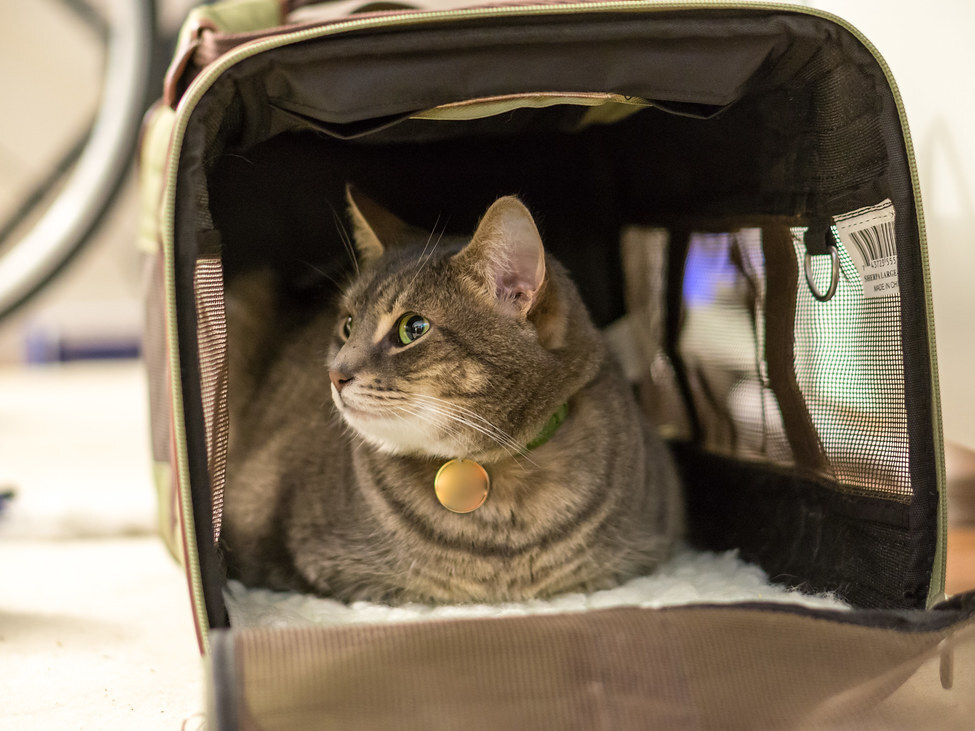
It is tempting to let your dog roam freely in the back seat or let your cat curl up on your lap while you drive, but this is a major safety hazard for both the animal and the human occupants. In the event of a sudden stop or collision, an unrestrained pet becomes a projectile. Furthermore, a loose animal can easily distract the driver by jumping into the footwell or onto the dashboard. Investing in a high-quality, crash-tested carrier or a pet-specific seatbelt harness is non-negotiable. If you are wondering how to make your car pet-friendly, it starts with a dedicated space for your pet that feels secure. For dogs, this might be a sturdy crate anchored in the cargo area. For cats and smaller exotic pets, a well-ventilated carrier secured with a seatbelt is the gold standard.
The Danger of the Open Window
We have all seen the iconic image of a golden retriever with its ears flapping in the wind, tongue out, enjoying the breeze. While it makes for a great photo, Dr. Teller warns against this practice. Road debris—tiny pebbles, dust, and insects—can strike a pet’s eye at high speeds, leading to corneal ulcers or severe infections. Additionally, the sheer excitement of seeing a squirrel or another dog can prompt even the most well-behaved pet to jump or fall from a moving vehicle. Keep those windows up, or at least only cracked enough for air circulation, and let the air conditioning do the work of keeping them cool.
Truck Bed Safety
If you drive a truck, never allow your pet to ride in the bed unrestrained. Not only is the risk of jumping out extremely high, but the exposure to the elements and the risk of being thrown during a turn are significant. If a pet must ride in the truck bed, they should be in a heavy-duty crate that is securely anchored to the vehicle’s tie-down points.
Strategic Pit Stops: Hydration and Exercise
Humans need to stretch their legs every few hours, and our pets are no different. A long road trip is physically and mentally taxing for an animal. Planning your route to include pet-friendly rest areas or parks is essential. As a general rule of thumb, plan to stop every two to three hours. This gives your pet a chance to eliminate, burn off some nervous energy, and, most importantly, hydrate. Traveling can lead to dehydration, especially if the pet is panting from anxiety. Always carry a spill-proof water bowl and a gallon of water from home, as sudden changes in water source can sometimes lead to upset stomachs in sensitive pets.
For cat owners, the bathroom situation is a bit more complex. Some cats can be trained to walk on a harness, but many prefer the privacy of a litter box. Portable, collapsible travel litter boxes are a lifesaver for long journeys. If you are curious about the best setup, you might want to look into the low-down on cat litter boxes to find a compact version that fits in your vehicle. Keeping the litter fresh and familiar will encourage your cat to use it even in a strange environment.
Managing Motion Sickness and Travel Anxiety
Just like humans, some pets suffer from motion sickness. Symptoms include excessive drooling, lethargy, or vomiting. If you notice your pet is struggling, don’t try to ‘tough it out.’ There are excellent prescription medications available through your veterinarian that can prevent nausea without heavily sedating the animal. For mild anxiety, pheromone sprays (like Feliway for cats or Adaptil for dogs) can provide a soothing scent that mimics natural calming signals. Always test any new medication or supplement at home before the trip to see how your pet reacts.
The Digital and Physical Paper Trail
One of the most overlooked aspects of pet travel is documentation. If you are crossing state lines, some jurisdictions legally require a health certificate or proof of rabies vaccination. Even if they don’t, having a folder with your pet’s medical records is vital if you need to visit an emergency vet in an unfamiliar city. Additionally, take a clear, current photo of your pet and keep it on your phone. If you are separated, this photo is your best tool for recovery. Make sure your pet’s microchip information is up to date and that they are wearing a collar with an ID tag that includes your current cell phone number.
Packing the Ultimate Pet Travel Kit
Don’t assume you can find your pet’s specific needs on the road. Many specialty diets or medications are not readily available at big-box retailers in rural areas. Your travel kit should include:
- A five-day surplus of their regular food stored in an airtight container.
- All necessary medications and a basic pet first-aid kit.
- Familiar bedding or a favorite toy to provide a sense of home.
- Waste bags and cleaning supplies for accidental messes.
- A backup leash and collar.
People Also Ask: Common Pet Travel Questions
How often should I stop for my dog on a road trip?
Most veterinarians recommend stopping every 2 to 4 hours. This allows the dog to relieve themselves, drink water, and stretch their muscles. Older dogs or puppies may require more frequent stops.
Is it safe to leave my dog in the car at a rest stop?
Generally, it is discouraged. Even in winter, cars can act as insulators and overheat, or conversely, drop to freezing temperatures very quickly. If you must step away, make it as brief as possible and ensure the vehicle is at a safe temperature.
My cat hates the carrier; can she sit on the seat?
No. For safety, a cat should always be in a carrier. A loose cat can easily crawl under the brake pedal or dash across the driver’s field of vision, which is incredibly dangerous. Use treats and pheromone sprays to make the carrier more inviting.
Expert Verdict & Final Thoughts
Traveling with pets is a privilege that enhances our holiday experiences, but it requires us to step up as responsible guardians. The ‘chaos’ often associated with pet travel is usually just a result of poor planning. When we take the time to secure our pets properly, respect their physical needs for breaks, and prepare for emergencies, we aren’t just making the trip easier for ourselves—we are ensuring our pets feel safe and loved during a time of major transition. My final piece of advice? Stay calm. Pets are incredibly intuitive and mirror our energy. If you are stressed about the drive, they will be too. Put on some soft music, pack the treats, and enjoy the journey with your best friend.
Actionable Conclusion
To summarize, a stress-free holiday road trip starts with habituation (getting your pet used to the car), safety (using crates and harnesses), and meticulous planning (mapping out stops and packing records). Before you head out this season, double-check your pet’s ID tags and ensure you have enough of their regular food to last the entire trip plus two extra days. Safe travels and happy holidays!


