To tug or not to tug? For decades, this question has sparked a heated debate within the canine community, leaving many pet owners caught between conflicting advice from trainers and behaviorists. While some older schools of thought suggest that tug-of-war encourages dominance and aggression, modern animal science tells a vastly different story. In 2024, interactive play is recognized as a cornerstone of behavioral health, acting as a vital outlet for a dog’s natural instincts. Far from being a dangerous test of power, tug-of-war is actually one of the most effective tools for building a cooperative relationship between humans and their canine companions. When performed with structured boundaries, this high-energy activity provides both physical exertion and the cognitive challenges necessary for a well-rounded pet.
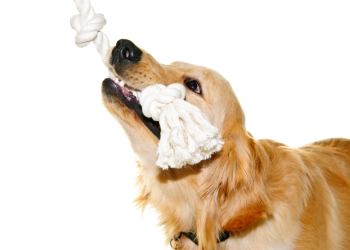
The long-standing myth that tugging causes aggression has been largely debunked by recent studies in canine ethology. Research indicates that play behavior in dogs is distinct from actual conflict; in fact, engaging in high-arousal games like tug-of-war under controlled conditions can actually lower a dog’s overall cortisol levels and reduce the likelihood of reactive outbursts. This is because tug-of-war serves as a safe container for predatory drive, allowing dogs to exhibit motor patterns like grabbing and shaking in a constructive environment. To understand how to manage these instincts, owners should look into triggers and prevention for dog aggression to ensure their play sessions remain healthy and happy. By embracing the game rather than fearing it, you can transform a simple piece of rope into a powerful training tool that enhances your status as a benevolent leader and a source of immense fun.
The Multi-Faceted Benefits of Tug-of-War in 2024
As we move deeper into an era of “enrichment-based training,” tug-of-war has emerged as a favorite among professionals for several reasons. Firstly, it is an incredible physical workout. For urban pet owners or those with high-energy breeds like Border Collies or Terriers, a fifteen-minute session of intense tugging can be equivalent to a much longer walk. It builds core strength, improves cardiovascular health, and hones coordination. Secondly, it is the ultimate exercise for impulse control. Because the game requires the dog to follow specific start and stop cues, it teaches them how to regulate their emotions even when they are highly excited—a skill that translates directly to better behavior on walks and in public spaces. To further explore this, pet parents can find more strategies on how to provide your dog with mental stimulation to complement their physical play routines.
Rule 1: The Power of Initiation
One of the most important aspects of maintaining a healthy dynamic is that you, the human, must always be the one to initiate the game. If your dog brings a toy and drops it in your lap, demanding attention by pawing or barking, do not engage immediately. Instead, ask them to perform a different task first, such as a “sit” or “down,” and then reward that obedience with the start of the game. This reinforces the idea that you are the director of activities and that access to high-value play is a reward for good behavior. This structure is essential for maintaining a respectful household hierarchy where the dog looks to you for guidance.
Rule 2: Selecting the Right Equipment
The safety of the game depends heavily on the gear you use. In 2024, material science has provided us with safer, more durable options than ever before. Avoid using household items like old towels or socks, as this teaches the dog that your clothes are fair game. Instead, opt for a dedicated tug toy made of natural rubber, thick cotton rope, or fire hose material. The toy should be long enough to keep a safe distance between your hands and the dog’s mouth. For those interested in the best gear, checking out guides on the benefits of interactive dog toys can help you select a product that stands up to powerful jaws while protecting dental health.
Rule 3: Mastering the “Drop It” Command
A non-negotiable prerequisite for tug-of-war is a rock-solid “drop it” or “out” command. This is your emergency brake. If at any point the game gets too intense, or if the dog’s teeth accidentally touch your skin or clothing, the game must stop immediately. Practice the release by offering a high-value treat in exchange for the toy. Eventually, the dog will learn that letting go doesn’t mean the fun is over forever; it simply means the next round is about to start. This building of impulse control is what makes tug-of-war such a sophisticated training exercise rather than a chaotic scuffle.
Rule 4: Building Confidence Through Winning
It is a common misconception that you should never let your dog win. In reality, letting your dog “win” the toy and do a victory lap around the yard is a fantastic confidence booster, especially for shy or rescue dogs. It keeps them engaged and ensures the game remains a collaborative effort rather than a frustrating struggle they can never overcome. By letting them win early rounds, you build their desire to play, making the toy an even more effective reward for future training sessions.
A Professional Verdict on Modern Tugging
Behaviorists and expert journalists agree: tug-of-war is not just a game; it is a communication channel. When played with the eight specific rules in mind—initiating play, choosing safe toys, enforcing the “drop it” cue, maintaining an upbeat mood, winning frequently to lead, ending the game on your terms, and rewarding the effort—the results are transformative. It provides a healthy outlet for energy that might otherwise be channeled into destructive chewing or excessive barking. The verdict is clear: if you want a dog that is physically fit, mentally sharp, and deeply bonded to you, tug-of-war should be a staple in your daily routine.
Frequently Asked Questions (FAQ)
Does tug-of-war make dogs more aggressive?
No, there is no scientific evidence that playing structured tug-of-war creates aggression. In fact, it provides a safe outlet for natural predatory instincts, which can actually reduce behavioral problems when managed correctly with rules and boundaries.
Is tugging bad for a dog’s teeth or jaw?
If done correctly with a soft, flexible toy, it is safe for adult dogs with healthy teeth. You should avoid “helicoptering” (lifting the dog off the ground by the toy) and refrain from playing with puppies whose adult teeth haven’t fully erupted or senior dogs with dental issues.
What should I do if my dog growls during the game?
Growling during tug-of-war is often “play growling,” which is distinct from an aggressive warning. Play growls are usually higher-pitched and accompanied by a wagging tail and relaxed body. However, if the growl becomes deep and the dog’s body stiffens, immediately use the “drop it” command and end the session.
Can children play tug-of-war with the family dog?
It is generally recommended that children only participate under strict adult supervision. Because dogs can become highly aroused during the game, they might accidentally knock a small child over. It is best to wait until a child is old enough to understand and enforce the rules of the game consistently.
Conclusion
Tug-of-war is a timeless canine activity that, when updated with modern training principles, offers unparalleled benefits for both pet and owner. By following a structured approach, you turn a simple test of strength into a sophisticated exercise in cooperation, focus, and physical fitness. As we continue to learn more about the complexities of the canine mind, it becomes clear that the most “benevolent leaders” are those who find creative, high-energy ways to engage with their pets. So, grab a durable toy, clear some space, and enjoy the many rewards that this classic game has to offer. Game on!


